
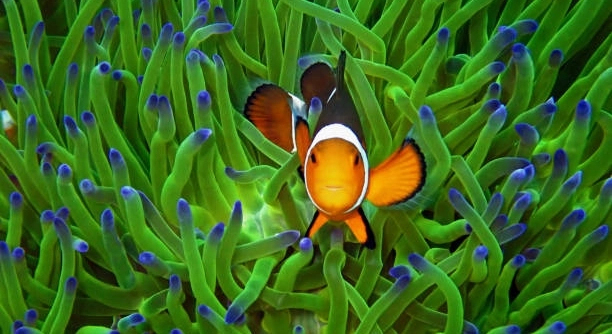
Clownfish are fascinating creatures known for their bright colors and unique relationship with sea anemones. Many aquarium enthusiasts enjoy keeping them and watching their natural behaviors. One of the most intriguing aspects is their spawning process, which happens under specific natural cues.
Seven key environmental and biological factors encourage clownfish spawning. These include water temperature, light cycles, diet quality, presence of a suitable mate, shelter availability, water quality, and social interactions within their group. Together, these cues create the ideal conditions for reproduction.
Understanding these natural triggers can improve success in breeding clownfish both in home aquariums and in conservation efforts. This article will help you identify and support the conditions that encourage spawning.
Water Temperature and Its Role in Spawning
Water temperature plays a crucial role in triggering clownfish spawning. These fish are sensitive to changes in their environment, and a slight rise or fall in temperature can signal the right time for reproduction. Typically, clownfish spawn when the water temperature ranges between 25°C to 28°C (77°F to 82°F). This range mimics their natural habitat and supports the development of eggs and larvae.
If the temperature stays too low or too high, it can delay spawning or reduce the chances of egg survival. Consistent temperature helps maintain their metabolism and energy levels, which are necessary for courtship and egg care. Aquarium owners often adjust heaters and monitor the water closely to keep it stable.
Maintaining the ideal water temperature is a practical step in encouraging clownfish to spawn. It’s one of the first things to check if breeding isn’t happening.
The right temperature makes clownfish feel safe and ready to reproduce, which is key for successful spawning.
Keeping the water stable also supports healthy eggs and young fish development, giving your clownfish the best chance for healthy offspring.
Light Cycles Affect Spawning
Light cycles influence clownfish spawning behavior significantly. Clownfish rely on natural day and night rhythms to regulate their biological clocks. A consistent light schedule, such as 12 hours of light followed by 12 hours of darkness, helps maintain their internal rhythms. Changes in daylight length signal seasonal shifts, which can prompt spawning in the wild.
Artificial lighting in aquariums should mimic these natural patterns to encourage reproductive behaviors. Sudden or irregular changes in lighting can stress the fish and disrupt spawning cycles. Gradual adjustments to light timing can help simulate the natural environment more closely.
Using timers for aquarium lights ensures that the fish experience steady and predictable light cycles. This regularity is essential for triggering the hormonal changes that lead to spawning. In addition, keeping the lighting moderate rather than too bright prevents unnecessary stress.
By managing light cycles carefully, it’s possible to create a stable environment that supports healthy spawning activity in clownfish. Proper lighting works alongside temperature and other factors to prepare fish for breeding. When light patterns are right, clownfish are more likely to begin their courtship and reproductive behaviors naturally.
Quality Diet Encourages Spawning
A high-quality diet is essential for clownfish to spawn successfully. Proper nutrition supports their energy and overall health. Without the right food, spawning may be delayed or eggs may not develop well.
Clownfish benefit from a varied diet rich in protein and vitamins. Feeding them live or frozen foods like brine shrimp, mysis shrimp, and finely chopped seafood helps provide essential nutrients. Including high-quality pellets or flakes formulated for marine fish ensures balanced nutrition. A nutritious diet boosts their immune system, making them more active and ready to reproduce.
It’s important to feed small portions multiple times a day instead of one large meal. This mimics their natural feeding habits and helps maintain energy levels. Overfeeding should be avoided to keep water quality stable, as poor water conditions can negatively affect spawning.
Shelter and Nesting Sites
Clownfish need a safe place to lay their eggs. Providing adequate shelter, such as sea anemones or artificial hiding spots, encourages spawning. These sites offer protection from predators and create a comfortable environment for breeding.
In the wild, clownfish lay eggs on flat surfaces near their host anemone. In captivity, smooth rocks, ceramic pots, or slate tiles can serve as suitable nesting sites. These surfaces should be cleaned regularly to prevent fungus and harmful bacteria. Positioning the shelter in a quiet area with gentle water flow helps keep the eggs healthy.
Nesting sites also allow clownfish to show natural behaviors like guarding and cleaning their eggs. Having a proper place to spawn reduces stress and increases the chances of successful hatching. When fish feel secure, they focus their energy on reproduction instead of hiding from threats.
Water Quality Maintenance
Clean water is vital for clownfish spawning. Poor water quality can stress fish and reduce their willingness to reproduce. Regular water changes and filtration help keep the environment healthy.
Monitoring parameters like ammonia, nitrite, nitrate, and pH ensures water stays within safe limits. Stable, clean water encourages natural behaviors, including spawning.
Presence of a Suitable Mate
Clownfish are monogamous and need a compatible mate to spawn. Having a bonded pair increases the chances of successful reproduction. They engage in courtship behaviors that strengthen their bond before spawning.
Introducing clownfish carefully and allowing them time to establish a hierarchy helps form a stable pair. Without a proper mate, spawning is unlikely.
Social Interactions and Group Dynamics
Social structure impacts clownfish spawning. In a group, a dominant female and a male form the breeding pair. The other fish remain non-breeding subordinates. This hierarchy keeps the pair stable and focused on reproduction.
Maintaining a proper group size and watching interactions supports a healthy social environment. Stress or aggression can disrupt spawning behaviors, so careful monitoring is necessary.
Stable Environment Encourages Spawning
A calm and consistent environment reduces stress in clownfish. Minimizing sudden changes in temperature, lighting, or water chemistry helps maintain their readiness to spawn.
FAQ
What is the best water temperature for clownfish spawning?
The ideal water temperature for clownfish to spawn is usually between 25°C and 28°C (77°F to 82°F). This range closely mimics their natural environment and helps trigger reproductive behavior. Temperatures outside this range can slow down or stop spawning, and eggs may not develop properly. Keeping the temperature steady with a reliable heater and thermometer is important to avoid stressing the fish.
How does light affect clownfish breeding?
Light cycles play a key role in regulating clownfish spawning. They respond best to a consistent schedule of about 12 hours of light and 12 hours of darkness, which mimics natural day and night rhythms. Using timers on aquarium lights helps maintain this regularity. Sudden changes or irregular lighting can stress the fish and disrupt their breeding cycle.
What kind of diet helps clownfish spawn?
A varied diet high in protein is essential for clownfish to spawn well. Foods like brine shrimp, mysis shrimp, and quality marine pellets give them the nutrients needed for energy and egg development. Feeding small amounts multiple times a day keeps their metabolism active and supports their health.
Why is a suitable mate necessary for spawning?
Clownfish form monogamous pairs, meaning they need a compatible mate to reproduce. The pair will perform courtship behaviors before spawning, which helps strengthen their bond and increase egg production. Without a suitable mate, clownfish are unlikely to spawn.
How important is shelter for clownfish breeding?
Shelter is very important because clownfish lay eggs on flat surfaces near protective structures like sea anemones or smooth rocks. Providing hiding places or nesting sites in the aquarium reduces stress and encourages natural breeding behavior. Shelters also protect eggs from predators and strong currents.
Can poor water quality stop clownfish from spawning?
Yes, poor water quality can prevent clownfish from spawning. High levels of ammonia, nitrite, or nitrate cause stress and illness, which reduce their desire or ability to reproduce. Regular water changes, good filtration, and monitoring water parameters keep the environment safe and support spawning.
What role do social interactions play in spawning?
Social dynamics within a clownfish group affect spawning success. Usually, the dominant female and male breed while other fish stay as subordinates. This hierarchy keeps the breeding pair stable and focused. Stress or aggression in the tank can interfere with these social bonds and reduce spawning chances.
How can I tell if my clownfish are ready to spawn?
Signs that clownfish are ready to spawn include courtship behaviors like chasing, cleaning a nesting site, and increased color vibrancy. The female may become larger and plumper as eggs develop. Watching for these behaviors helps you know when conditions are right.
What should I do after clownfish lay eggs?
After eggs are laid, the male usually guards and fans them to provide oxygen and keep them clean. It’s important to maintain excellent water quality and avoid disturbing the area. Removing any aggressive tank mates or predators helps protect the eggs until they hatch.
How long does it take for clownfish eggs to hatch?
Clownfish eggs typically hatch in about 6 to 10 days, depending on water temperature and conditions. Warmer, stable water speeds up development, while cooler water can slow it down. After hatching, the larvae need special care and feeding to survive.
Final Thoughts
Successfully encouraging clownfish spawning requires attention to several natural cues. These include maintaining the right water temperature, consistent light cycles, good water quality, and a nutritious diet. Each factor plays an important role in creating a comfortable environment that signals to clownfish it is time to reproduce. Understanding and supporting these conditions increases the chances of seeing your clownfish spawn and thrive.
Providing a suitable mate and safe shelter is also essential. Clownfish form strong pair bonds and need secure places to lay and protect their eggs. The right social setting and nesting sites allow them to behave naturally, reducing stress and improving reproductive success. Watching their behaviors closely can help identify when they are ready to spawn and how to support them throughout the process.
Patience is important because spawning does not always happen quickly or easily. It may take time for the fish to adjust to their environment and form pairs. Regular monitoring and care, along with small adjustments to their habitat, can help encourage spawning over time. By respecting their natural needs and rhythms, you can create a healthy space where clownfish feel safe to reproduce, helping to ensure their continued growth and well-being.

Hello,
If you enjoy the content that we create, please consider saying a "Thank You!" by leaving a tip.
Every little bit helps us continue crafting quality advice that supports the health, happiness, and well-being of pets around the world, for pets of all shapes, sizes, and species.
We really appreciate the kindness and support that you show us!