
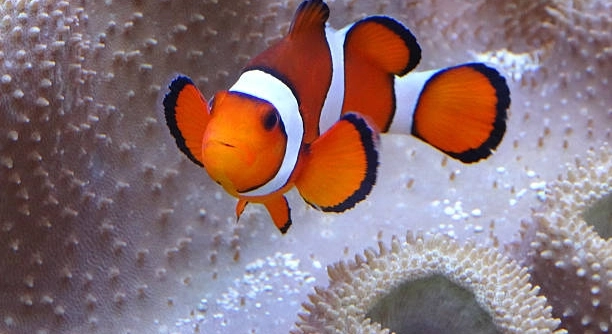
Clownfish are popular pets in home aquariums because of their bright colors and interesting behavior. Many aquarium owners enjoy watching these small fish swim and interact with their environment. Understanding their intelligence can help in caring for them better.
Clownfish exhibit higher cognitive abilities compared to many common aquarium fish, showing problem-solving skills and social behaviors that indicate advanced learning capacity. These traits suggest clownfish have a notable level of intelligence within their aquatic environment.
Knowing more about clownfish intelligence can improve how we care for them and appreciate their unique traits in the aquarium setting.
Clownfish Behavior and Learning Abilities
Clownfish are not just colorful; they show interesting behavior that sets them apart from many other aquarium fish. They form strong social bonds, often living in small groups where each fish knows its role. This social structure helps them survive and thrive. Clownfish also communicate with each other using sounds and movements, which is rare for fish. They can learn from their environment, such as recognizing their owners or responding to feeding routines. In studies, clownfish have been observed solving simple problems to get food, showing they can think beyond instinct. Their ability to adapt to changes and remember information over time suggests a level of intelligence that many aquarium fish do not show. This makes them more interactive pets, offering more than just visual appeal. Understanding these behaviors helps aquarium owners provide better care and stimulation to keep clownfish healthy and engaged.
Their social nature and problem-solving skills make clownfish stand out compared to many fish kept in home aquariums.
These learning abilities mean clownfish require mental stimulation. Simple environmental changes or interactive feeding can keep them active. If ignored, they may become bored or stressed. Recognizing their intelligence helps create a better habitat that meets their natural behaviors and needs.
Comparing Clownfish Intelligence to Other Aquarium Fish
Clownfish often score higher in tests measuring memory and learning compared to many popular aquarium fish like goldfish or tetras. Their ability to navigate mazes, recognize patterns, and remember locations shows cognitive skills beyond basic survival instincts. While some fish rely mainly on reflexes, clownfish demonstrate flexibility in how they respond to challenges. This intelligence is linked to their complex social lives and environmental demands in the wild. Unlike fish that swim alone or in simple groups, clownfish must communicate and cooperate to protect their territory and young. This requires a sharper mind and better memory. Their natural behaviors encourage more active engagement with their surroundings, making them more responsive to training or interaction. For aquarium owners, this means clownfish can be more rewarding to observe and care for, especially when their environment encourages natural behaviors.
This intelligence does not make clownfish easier to care for, but it does mean they benefit from a richer environment and consistent interaction.
Providing a tank with hiding spots, live plants, and a routine can help maintain their cognitive health. Understanding their intelligence also helps in avoiding common mistakes like overcrowding or ignoring social needs. These steps improve their overall well-being and longevity.
Clownfish Social Structure
Clownfish live in groups with a clear hierarchy, which helps maintain order and reduces conflict. The dominant female leads, followed by a male and several smaller fish. This structure affects their behavior and interactions daily.
The hierarchy starts with the largest female, who controls the group and breeds. Below her is the breeding male, while the others are non-breeding subordinates. If the female dies, the breeding male changes sex to become the new dominant female. This social system ensures stability and efficient resource use in their environment. It also requires the fish to recognize their role and adapt accordingly, which shows their social intelligence.
Such a structured community is unusual for aquarium fish. It means clownfish need space and proper social conditions to thrive. Crowding or mixing incompatible fish can cause stress or aggression, disrupting their natural balance. Understanding this helps keep clownfish peaceful and healthy in a tank.
Mental Stimulation and Aquarium Care
Clownfish benefit from mental challenges and varied environments to keep them active and healthy. Providing new objects, plants, or rearranging tank decorations can stimulate their curiosity and reduce boredom. These changes encourage exploration and natural behaviors.
Adding enrichment items like small caves or moving feeding locations prompts clownfish to think and adapt. Simple training, such as teaching them to recognize feeding signals or respond to hand movements, can also enhance their mental activity. Without stimulation, clownfish might show signs of stress or inactivity, which affects their health. Regular interaction and environmental changes help maintain their cognitive abilities and overall well-being in captivity.
Paying attention to their mental needs is as important as physical care. A well-stimulated clownfish is more vibrant and behaves more naturally, which can make keeping them more enjoyable and rewarding.
Clownfish Memory Skills
Clownfish have good memory skills that help them navigate their environment. They remember safe hiding spots and feeding times, which supports their survival in the wild and in captivity.
Their ability to recall locations and routines shows an advanced level of learning for aquarium fish. This memory helps them avoid danger and find food efficiently.
How Clownfish Respond to Training
Clownfish can learn simple tasks through consistent training. They often respond to visual cues like hand movements or feeding signals, showing they can associate actions with outcomes.
Training clownfish requires patience and repetition. Over time, they may come to recognize their owners and respond quickly during feeding times or tank maintenance. This responsiveness indicates their intelligence and adaptability.
Environmental Impact on Intelligence
A cluttered or dull environment can limit a clownfish’s mental growth. Providing space and variety encourages natural behaviors and better cognitive function.
Keeping their habitat stimulating helps clownfish maintain their sharpness and well-being, which is important for their quality of life in aquariums.
FAQ
Are clownfish really smarter than other aquarium fish?
Clownfish show higher intelligence compared to many common aquarium fish. They can learn from experience, solve simple problems, and remember routines. Their social structure also requires them to adapt and communicate, which not all fish do. While not the smartest animal in the ocean, clownfish have clear cognitive abilities that make them stand out among typical aquarium species.
How do clownfish demonstrate their intelligence?
Clownfish use memory to find food and recognize safe places. They respond to training signals and show social behaviors like recognizing group members and keeping order within their hierarchy. These actions require learning and thinking, not just instinct. Their ability to change roles in the group, such as a male becoming female when needed, is also a sign of advanced intelligence.
What kind of mental stimulation do clownfish need?
Clownfish thrive when their environment offers variety. Adding plants, caves, or moving decorations encourages exploration. Interactive feeding methods, like using feeding sticks or signals, can engage their minds. Without mental challenges, clownfish may become bored or stressed, which can affect their health. Regular changes in their tank keep them alert and active.
Can I train my clownfish at home?
Yes, with patience, you can train clownfish to recognize feeding times or hand signals. Use consistent cues and rewards, such as food, to encourage responses. Training sessions should be short and gentle to avoid stressing the fish. Over time, clownfish may swim towards you when it’s time to feed, showing they remember and respond to learned behaviors.
Does the social hierarchy affect clownfish intelligence?
The social hierarchy plays a big role in clownfish behavior and thinking. They must understand their place and react accordingly, which requires memory and social skills. The ability of a male to change sex and take over leadership shows complex biological and social intelligence. This hierarchy also helps reduce fights and keeps the group stable.
How does tank environment affect clownfish intelligence?
A stimulating tank environment supports mental growth. If the tank is too small or empty, clownfish have fewer opportunities to explore and learn. Adding plants, rocks, and hiding spots encourages natural behaviors and problem-solving. A healthy, varied environment helps maintain their cognitive abilities and overall happiness.
Are clownfish easier or harder to care for because of their intelligence?
Clownfish intelligence means they need more attention than some simpler fish. They require mental stimulation and a proper social setup to thrive. While they are hardy in many ways, neglecting their social and mental needs can lead to stress or health issues. Providing a good environment and some interaction makes caring for clownfish more rewarding.
Do clownfish recognize their owners?
Clownfish can recognize familiar shapes and routines, so they often respond to their owners during feeding or tank maintenance. This recognition shows they remember and associate people with food and safety. While they don’t have the same bond as some pets, clownfish do show awareness of their human caretakers.
What happens if the social hierarchy is disrupted?
Disrupting the hierarchy by removing or adding fish can cause stress and aggression. The group needs time to adjust and re-establish roles. If the dominant female is removed, the breeding male will eventually change sex to fill her role. Sudden changes can confuse the fish, so it’s best to maintain stable groups for their well-being.
Can clownfish live alone in a tank?
Clownfish can survive alone but do better in pairs or small groups because of their social nature. A single clownfish might become bored or stressed without companions. Providing hiding places and stimulation can help, but social interaction is important for their mental health. Keeping them with compatible tank mates is ideal.
Clownfish are more intelligent than many other aquarium fish, showing behaviors that go beyond basic instincts. Their ability to learn, remember, and interact with their environment and other fish makes them unique pets. Understanding their intelligence helps in creating better care routines, which improves their health and happiness in captivity. These small fish are not just colorful decorations but creatures that require mental stimulation and social interaction to thrive.
Providing a suitable environment is key to supporting clownfish intelligence. A well-designed tank with hiding spots, plants, and areas to explore can keep them mentally active. Changing decorations or feeding methods regularly can also encourage their natural curiosity and problem-solving skills. It’s important to recognize their social needs, as their hierarchical structure affects their behavior and well-being. Keeping clownfish in stable groups helps reduce stress and promotes a peaceful aquarium atmosphere.
Caring for clownfish means more than just feeding and cleaning the tank. Their intelligence means they benefit from attention and interaction, which strengthens their mental abilities and overall health. Aquarium owners who take the time to learn about clownfish behavior and needs will find these fish rewarding to keep. With proper care, clownfish can live longer, healthier lives, making them a great choice for those who want an engaging and lively addition to their aquarium.

Hello,
If you enjoy the content that we create, please consider saying a "Thank You!" by leaving a tip.
Every little bit helps us continue crafting quality advice that supports the health, happiness, and well-being of pets around the world, for pets of all shapes, sizes, and species.
We really appreciate the kindness and support that you show us!