
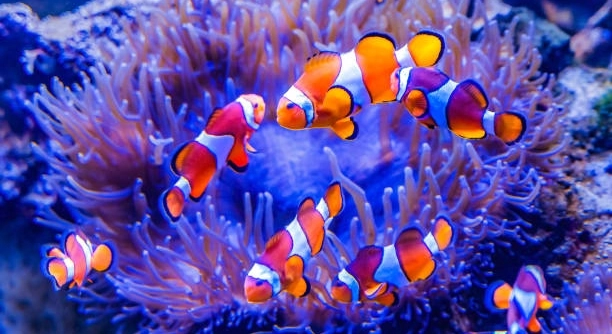
Clownfish are popular marine creatures known for their vibrant colors and interesting behaviors. Many fishkeepers and enthusiasts observe their daily habits closely. One common curiosity is how their activity levels change after feeding times.
Clownfish generally become more active immediately after feeding due to increased energy from food intake. This activity spike includes swimming, exploring, and interacting more frequently within their environment, which is a natural response seen in many fish species after nourishment.
Understanding these activity patterns helps in providing better care and maintaining a healthy environment for clownfish in aquariums. This insight supports both hobbyists and researchers interested in aquatic life behavior.
Activity Patterns of Clownfish After Feeding
Clownfish tend to show noticeable changes in behavior once they have been fed. After eating, they usually swim around more actively, sometimes chasing each other or exploring their surroundings with increased curiosity. This boost in movement is a way for them to use the energy gained from their meal. It also helps with digestion and keeps them healthy. In a home aquarium, you may observe your clownfish becoming livelier right after feeding time. This behavior is normal and indicates that the fish are getting enough food. Over time, you might notice a routine where their activity peaks shortly after feeding and then gradually calms down as the energy is used up. Watching these patterns can give you clues about their well-being and how to adjust feeding schedules if necessary.
The increase in activity after feeding is a natural response and a sign of good health.
Regularly monitoring your clownfish’s behavior helps ensure they remain energetic and balanced in their environment.
Factors Influencing Post-Feeding Activity
Clownfish activity after feeding can vary depending on several factors. Water temperature plays a significant role, as warmer water tends to increase their metabolism and movement. The type of food given also affects how active they become; protein-rich foods usually provide more energy. Additionally, the size and age of the clownfish influence their behavior—young fish might be more energetic than older ones. Tank conditions such as space and hiding spots impact how freely they swim. Stress or poor water quality can reduce activity, even after feeding. Understanding these influences allows better care and helps create an environment where clownfish thrive. Adjusting feeding routines or tank setups based on these factors can improve their overall health and activity levels.
Providing a balanced diet and maintaining good water conditions contribute significantly to the natural activity patterns observed after feeding.
Feeding Frequency and Clownfish Activity
Feeding frequency influences how active clownfish are after meals. More frequent feedings tend to keep their energy levels steadier throughout the day.
Feeding clownfish small portions multiple times a day encourages consistent activity. When they receive food regularly, their metabolism stays active, resulting in more frequent bursts of movement. Infrequent feeding can cause them to conserve energy, making them less lively after meals. Finding the right feeding schedule depends on your tank setup and the number of fish. Watching how your clownfish respond to different feeding intervals will help you adjust their routine for better activity and health.
Consistency in feeding times also reduces stress and supports healthy behavior. Clownfish tend to adapt quickly to a set schedule, which leads to more predictable and balanced activity after feeding.
Environmental Enrichment and Its Effects on Activity
Adding environmental enrichment can increase clownfish activity after feeding. Items like live plants, rocks, and hiding spots create interest and encourage movement.
Clownfish explore and interact more when their surroundings are stimulating. A varied environment prevents boredom and promotes natural behaviors such as swimming and territorial displays. When combined with feeding, enrichment supports mental and physical health. Without enough stimulation, clownfish may become less active regardless of feeding. Simple changes in the tank layout can make a big difference, helping the fish stay engaged and lively throughout the day. Enrichment works well with proper feeding to create a balanced, healthy habitat.
Signs of Overfeeding in Clownfish
Overfeeding can lead to decreased activity in clownfish. Excess food causes water quality issues and stress.
Clownfish may become sluggish or hide more often when overfed. Monitoring feeding amounts helps maintain their health and activity levels.
Impact of Water Quality on Activity
Poor water quality directly reduces clownfish activity after feeding. High waste levels cause stress and lethargy.
Maintaining clean water through regular changes and proper filtration supports natural behavior. Clear, stable conditions keep clownfish energetic and responsive to feeding times.
Feeding Types and Preferences
Clownfish respond differently to various food types. Frozen, live, and pellet foods all impact their activity levels after feeding in unique ways.
Temperature Effects on Metabolism
FAQ
Why do clownfish become more active after feeding?
Clownfish become more active after feeding because the food provides energy that they use to swim and explore. This natural response helps with digestion and overall health. The increased movement after meals is a common behavior seen in many fish species, showing that they are healthy and well-fed.
How often should I feed my clownfish to keep them active?
Feeding small amounts two to three times a day is usually best. Frequent feeding keeps their energy levels steady and encourages regular activity. Overfeeding or feeding too rarely can cause changes in behavior, either making them sluggish or overly aggressive due to hunger.
Can overfeeding make clownfish less active?
Yes, overfeeding can cause water quality to decline, which stresses clownfish and reduces their activity. Leftover food decomposes and pollutes the water, making the fish uncomfortable. It’s important to feed only what they can eat within a few minutes to keep the tank clean and the fish healthy.
Does the type of food affect clownfish activity?
Different foods affect clownfish differently. Protein-rich foods like live or frozen brine shrimp often boost energy and activity more than pellets or flakes. Providing a varied diet keeps them interested and active, while a poor diet can lead to lethargy and health problems.
How does water temperature influence clownfish behavior after feeding?
Warmer water speeds up metabolism, making clownfish more active after eating. Cooler water slows their metabolism, which can cause less movement. Keeping the tank temperature stable, ideally between 75 and 82°F (24 to 28°C), helps maintain consistent activity levels.
What role does tank environment play in post-feeding activity?
A stimulating environment with plants, rocks, and hiding places encourages clownfish to explore and swim after feeding. A bare tank can lead to boredom and less activity. Enrichment mimics natural conditions and supports their physical and mental well-being.
Can stress affect how active clownfish are after feeding?
Stress from poor water quality, aggressive tank mates, or sudden changes can make clownfish less active after feeding. Stress lowers their energy and makes them hide more. Reducing stress by maintaining a clean tank and peaceful environment helps keep them lively.
Is it normal for clownfish activity to change throughout the day?
Yes, clownfish have natural rhythms and may be more active after feeding or during certain times of the day. Activity tends to peak shortly after meals and decreases as they rest or digest food.
How can I tell if my clownfish is healthy based on activity?
Active swimming, responsive behavior, and interest in food are signs of good health. If your clownfish is sluggish, hiding often, or ignoring food, it may indicate health issues or poor tank conditions.
What should I do if my clownfish is less active after feeding?
Check water quality, feeding amounts, and tank environment. Make sure you are not overfeeding and the tank is clean. Adjust temperature if needed and remove any aggressive tank mates. Improving these factors usually restores normal activity.
Final Thoughts
Clownfish activity after feeding is a natural part of their behavior that reflects their health and environment. When they receive proper nutrition, they tend to become more active, using the energy from their meals to swim and explore. This increased movement is not only a sign that they are well-fed but also important for their digestion and overall well-being. Observing these patterns can help you understand if your clownfish are thriving or if adjustments are needed in their care routine. Regular feeding, balanced diet, and a clean environment are key factors that support this healthy activity.
Maintaining good water quality and a stable tank environment plays a significant role in how active clownfish become after feeding. Poor water conditions can cause stress, which often leads to reduced movement and hiding behavior. Similarly, the temperature of the tank affects their metabolism and energy levels. Keeping the water clean, stable, and within the ideal temperature range helps clownfish stay energetic and responsive. Providing environmental enrichment, such as rocks or plants, encourages natural exploration and further supports their physical and mental health.
Feeding frequency and portion size also impact clownfish behavior. Overfeeding can harm water quality and cause lethargy, while underfeeding can reduce their energy and activity. Finding the right balance through observation is important. Clownfish tend to adjust quickly to regular feeding schedules, which helps maintain steady activity throughout the day. By paying attention to their post-feeding behavior and tank conditions, you can ensure your clownfish remain healthy, active, and happy in their aquatic environment.

Hello,
If you enjoy the content that we create, please consider saying a "Thank You!" by leaving a tip.
Every little bit helps us continue crafting quality advice that supports the health, happiness, and well-being of pets around the world, for pets of all shapes, sizes, and species.
We really appreciate the kindness and support that you show us!