
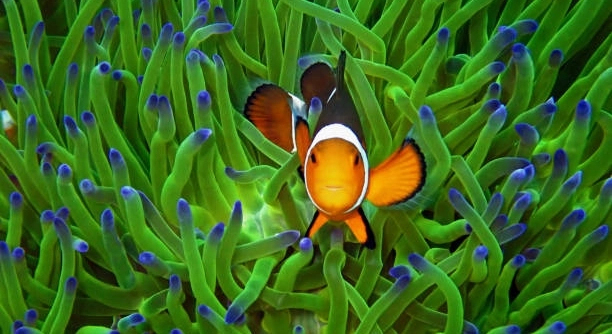
Moving clownfish can lead to noticeable shifts in their behavior. These changes often reflect how the fish adapt to new environments or adjust their interactions with other tank inhabitants. Understanding these shifts is important for maintaining a healthy aquarium.
Seven key behavioral changes typically occur after relocating clownfish, including altered aggression levels, changes in feeding habits, variations in activity, shifts in social dynamics, modified territory marking, increased hiding, and differences in interaction with tank mates. These behaviors indicate stress responses and adaptation processes to the new surroundings.
Recognizing these behavioral signs helps ensure proper care and support for clownfish during transitions. This knowledge can improve their well-being and stability in the aquarium environment.
Increased Aggression and Territorial Behavior
When clownfish are moved, they often show more aggressive behavior. This is mainly because they feel insecure in the new environment. They may chase other fish or flare their fins more often than usual. This is a natural response as they try to establish their territory and protect themselves. The new space may feel unfamiliar and threatening, so their instincts push them to act defensively. This behavior usually lessens as they grow accustomed to the new tank. It is important to give them time and avoid overcrowding, which can worsen aggression. Watching their interactions closely can help spot any serious conflicts early. Providing plenty of hiding spots can reduce stress and help them feel safer. Patience is key during this adjustment period as the clownfish settle into their new home.
Increased aggression after moving is a temporary reaction linked to stress and the need to claim territory.
Monitoring their behavior and offering a comfortable environment encourages faster adjustment and reduces conflicts.
Even though aggression can be alarming, it is a normal part of adapting. Over time, clownfish typically become less hostile. You can help by minimizing disturbances and ensuring the tank has enough space. Introducing decorations or plants to break sightlines between fish reduces tension. Feeding them regularly and on schedule can also lower aggression, as hunger can make fish more irritable. Keep the water clean and stable because poor conditions increase stress. If aggression persists beyond a few weeks, it might indicate other issues like illness or poor compatibility with tank mates. In those cases, consulting an expert or reconsidering the tank setup can improve the situation and promote harmony.
Changes in Feeding Habits
Clownfish may eat less or show less interest in food right after moving.
Stress from the new environment affects their appetite. It is important to offer familiar food and feed smaller amounts more often. Patience is necessary as they regain comfort and start eating normally.
Changes in feeding habits after relocation are common and linked to stress and adjustment. Sometimes clownfish may refuse food for a day or two, but this usually resolves quickly. Offering a variety of their usual diet, like pellets, flakes, or frozen foods, encourages them to eat. Keeping feeding times consistent helps build routine and security. Avoid overfeeding during this period, as uneaten food can pollute the water and cause health problems. Also, watch for any signs of illness such as lethargy or unusual swimming patterns, which can affect appetite. Maintaining water quality and a calm environment supports recovery. Supporting their nutrition and reducing stress during this phase helps clownfish regain strength and thrive in their new setting.
Increased Hiding Behavior
Clownfish often hide more after being moved. This is a natural response to feeling insecure or stressed in a new environment.
Hiding helps clownfish feel safe while they adjust to unfamiliar surroundings. They seek shelter in crevices, plants, or behind rocks. This behavior reduces exposure to potential threats and lowers stress. It is common for them to spend more time out of sight during the first few days after relocation. Gradually, as confidence builds, they start exploring more openly. Providing plenty of hiding places is important to support this natural need. Avoid sudden movements or loud noises around the tank to prevent adding stress. Patience is key during this phase.
If hiding continues for weeks or the fish seem lethargic, it may signal illness or ongoing stress. Monitoring water quality and tank conditions can help identify problems. Maintaining stable temperature and clean water supports quicker recovery. Offering a calm environment encourages the clownfish to feel secure and reduces prolonged hiding. Regular observation ensures early intervention if needed.
Altered Social Interactions
After moving, clownfish may change how they interact with each other and tank mates. This can include less socializing or increased rivalry.
Social behavior shifts because clownfish are establishing new hierarchies and adjusting to unfamiliar fish. Dominance struggles are common as they compete for territory and mates. Some fish may become more withdrawn, while others show more assertiveness. These changes often settle as fish find balance. Introducing new tank mates gradually and ensuring enough space helps reduce conflicts. Observing these interactions is important to avoid injury or prolonged stress. Providing enrichment, such as plants or decorations, can encourage positive social behavior. Stable water conditions support overall health, improving social dynamics. Recognizing these changes helps maintain a peaceful tank environment for all inhabitants.
Changes in Activity Levels
Clownfish may become less active after being moved. This decrease in movement is a sign of stress or cautious adjustment.
Lower activity helps them conserve energy while they adapt. Over time, they regain their usual swimming patterns as they feel safer in their new home.
Shifted Breeding Behavior
Moving clownfish can temporarily disrupt their breeding cycles. Stress and environmental changes affect their readiness to spawn or care for eggs. Clownfish might delay mating or show less interest in nesting sites until they fully settle. Maintaining stable conditions and minimizing disturbances helps restore natural breeding behavior.
Increased Territory Marking
Clownfish often mark their territory more after relocation. This involves behaviors like rubbing against surfaces or chasing intruders. It is a way to establish ownership and protect their new space.
How long does it take for clownfish to adjust after moving?
Clownfish usually begin to adjust within a few days, but full adaptation can take several weeks. Stress-related behaviors like hiding or aggression often lessen after one to two weeks. Patience and stable tank conditions support a smoother transition.
Why is my clownfish hiding so much after moving?
Hiding is a natural reaction to stress and unfamiliar surroundings. Clownfish seek safety while they assess the new environment. Providing plenty of hiding spots and minimizing disturbances can help them feel more secure and reduce hiding time.
Is it normal for clownfish to show aggression after relocation?
Yes, increased aggression is common as clownfish establish territory and social order. This behavior usually decreases once they feel more comfortable. Monitoring interactions and ensuring enough space can prevent serious conflicts.
What feeding changes should I expect after moving clownfish?
Clownfish may eat less or refuse food initially due to stress. Offering familiar foods in small amounts and keeping a consistent feeding schedule encourages them to regain appetite gradually.
How can I reduce stress for clownfish during and after moving?
Maintain stable water conditions, avoid sudden changes, provide hiding spots, and minimize noise and movement around the tank. These steps create a calm environment that helps clownfish adjust faster.
Can moving affect clownfish breeding behavior?
Yes, relocation can temporarily disrupt breeding. Stress and new surroundings may delay spawning or reduce nesting activity. Stable conditions and patience help restore natural breeding patterns.
What signs indicate that my clownfish is not adjusting well?
Prolonged hiding, lack of appetite beyond a week, unusual swimming, or persistent aggression may signal problems. Checking water quality and consulting a specialist can address underlying issues.
Should I quarantine clownfish before moving them to a new tank?
Quarantine is recommended to prevent disease transmission. It allows observation of health issues before introducing clownfish to a new environment, reducing stress and potential conflicts.
How important is tank setup in helping clownfish adjust?
A well-structured tank with plenty of hiding places, stable water parameters, and compatible tank mates supports quicker adaptation. Proper setup reduces stress and promotes natural behaviors.
Can clownfish change their behavior permanently after moving?
Some behavior changes, like altered social dynamics or activity levels, may persist if the environment or tank mates remain different. However, most changes are temporary and improve with time and care.
What role does water quality play in behavioral changes?
Poor water quality increases stress and can cause health issues, affecting behavior negatively. Regular testing and maintenance are essential to keep clownfish healthy and stable during adjustment.
Is it better to move clownfish during the day or at night?
Moving clownfish during daylight hours is generally better, as they are more alert and easier to handle. Night moves can increase stress since fish are less active and may react unpredictably.
How can I tell if aggression is due to stress or natural behavior?
Stress-related aggression tends to be more intense and constant, often involving chasing or nipping. Natural aggression is usually limited to establishing hierarchy and decreases over time. Observation helps differentiate the two.
What should I do if clownfish are not getting along after moving?
If aggression is severe, consider rearranging tank décor to create separate territories or separating the fish temporarily. Ensuring adequate space and compatible tank mates helps reduce tension.
How can I help clownfish feel secure in a new tank?
Adding familiar objects from their previous tank, providing shelters, and maintaining consistent routines create a sense of security. Reducing external stressors allows them to settle more quickly.
Does the size of the new tank affect clownfish behavior?
Yes, smaller tanks may increase stress and aggression due to limited space. Larger tanks offer room for territories and hiding spots, promoting healthier social interactions and comfort.
What is the best way to introduce clownfish to a new tank?
Slow acclimation to water parameters through gradual mixing reduces shock. Avoid sudden movements or overcrowding during introduction to ease stress and encourage quick adaptation.
Can lighting changes impact clownfish behavior after moving?
Sudden changes in lighting can increase stress. Gradually adjusting light intensity and duration helps clownfish acclimate without disrupting their natural rhythms.
Are there specific tank mates that help clownfish adjust better?
Peaceful and compatible species reduce stress and aggression. Avoid aggressive or territorial fish that may provoke conflicts during the adjustment period.
How often should I monitor clownfish behavior after moving?
Daily observation for at least two weeks is recommended to catch any problems early. Monitoring helps ensure timely intervention if behavioral or health issues arise.
Moving clownfish to a new tank can bring noticeable changes in their behavior. These changes are natural and reflect how the fish respond to a new environment. Clownfish may become more aggressive, hide more often, eat less, or show altered social interactions. These reactions are a way for them to cope with stress and establish themselves in unfamiliar surroundings. Understanding these behaviors helps in managing their care and supporting their well-being during the adjustment period.
It is important to provide a calm and stable environment after moving clownfish. This includes maintaining proper water quality, offering plenty of hiding spots, and avoiding sudden disturbances. Patience is necessary because most behavioral changes lessen as the fish become more comfortable. Feeding them familiar foods on a consistent schedule encourages them to regain their appetite. Observing their behavior regularly can help detect any signs of ongoing stress or health problems. Making small adjustments to the tank setup or social group may be needed if aggression or hiding continues for a long time.
Taking care of clownfish after relocation requires attention and understanding of their needs. Recognizing that behavioral changes are part of their adaptation process allows you to provide better care. Stable conditions and gentle handling help reduce stress and promote recovery. With time and proper care, clownfish typically return to their normal behavior and thrive in their new home. Being aware of these changes ensures that the fish remain healthy and happy as they settle into the new environment.

Hello,
If you enjoy the content that we create, please consider saying a "Thank You!" by leaving a tip.
Every little bit helps us continue crafting quality advice that supports the health, happiness, and well-being of pets around the world, for pets of all shapes, sizes, and species.
We really appreciate the kindness and support that you show us!