
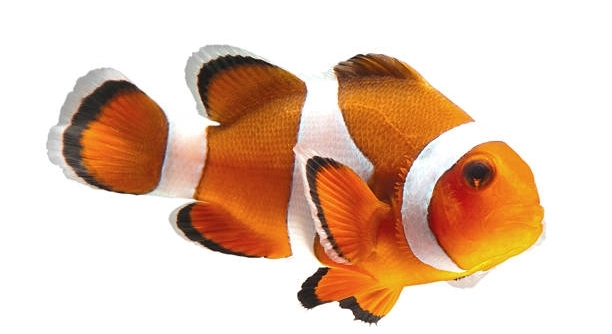
Clownfish live in vibrant coral reefs where light changes naturally throughout the day. These fish are often kept in aquariums where lighting conditions may differ from their natural habitat. Understanding how clownfish respond to daily light shifts is important for their care.
Clownfish can adjust to daily light changes through their natural circadian rhythms and visual adaptations. These mechanisms help them regulate behavior and activity patterns in response to varying light intensity and duration. However, abrupt or extreme light changes may cause stress or disrupt their normal functions.
Knowing how clownfish react to light changes can improve aquarium management and help maintain their health. The following details will explain how light affects their daily behavior and wellbeing.
How Clownfish Perceive Light Changes
Clownfish have eyes adapted to their underwater environment, allowing them to detect changes in light intensity and color. In coral reefs, light shifts gradually during the day, and clownfish adjust their behavior accordingly. These fish rely on their vision to find food, avoid predators, and interact with other fish. When the light dims, clownfish tend to become less active, seeking shelter among anemones. In brighter conditions, they are more active and visible. In captivity, artificial lighting may not mimic natural sunlight perfectly. This can sometimes confuse the fish or alter their daily rhythm. Gradual transitions between light and dark periods help maintain their natural behaviors. Sudden changes, like turning lights on or off abruptly, might stress them. Observing these responses can guide aquarium lighting setups to better suit clownfish needs.
Their eyes are sensitive to gradual light changes, which helps them maintain normal daily activities.
Maintaining a lighting schedule that gradually simulates dawn and dusk supports healthy clownfish behavior. Providing hiding spots and consistent light patterns encourages natural activity and reduces stress. Aquarium owners should avoid sudden light switches and consider timers to mimic natural conditions effectively.
Effects of Light Changes on Clownfish Behavior
Light plays a significant role in regulating clownfish activity, feeding, and social interactions. Consistent light cycles help establish their internal biological clocks, which influence when they rest and when they explore. If light changes are irregular, it can disrupt these rhythms, leading to unusual behavior like decreased appetite or aggression. In their natural habitat, light intensity and duration vary predictably with sunrise and sunset. This allows clownfish to anticipate daily changes and adjust. In aquariums, mimicking these patterns can improve their overall wellbeing. Additionally, light quality, such as spectrum and brightness, impacts how clownfish perceive their surroundings. Using full-spectrum aquarium lights can simulate natural conditions better than simple white bulbs. Understanding these factors helps create an environment that supports clownfish health and natural habits.
Inconsistent or unnatural light changes can disrupt clownfish circadian rhythms, affecting their behavior and wellbeing.
A stable and natural-like lighting environment is crucial for clownfish health. Abrupt or inconsistent light changes may cause stress, suppress feeding, or increase hiding. Providing gradual light transitions with timers and using lights that mimic sunlight spectrum can reduce these issues. Keeping the light cycle consistent helps clownfish maintain their natural activity patterns, promoting a balanced and healthy life in captivity.
Light Sensitivity in Clownfish
Clownfish are sensitive to both the intensity and color of light. This sensitivity helps them navigate their environment and communicate.
Their eyes are adapted to detect subtle changes in light, including shifts in brightness and wavelength. In the wild, this helps clownfish respond to the sun’s natural progression throughout the day. Changes in light color, such as the warm tones of sunrise or the blue hues underwater, affect their mood and activity levels. When light becomes too bright, clownfish often seek shaded areas or hide among anemones to protect themselves. In captivity, artificial lighting that is too intense or unnatural can cause discomfort or stress. Adjusting light levels carefully can help mimic their natural environment, improving their comfort and reducing stress. Proper light management is essential to keep clownfish healthy and active.
Light sensitivity also plays a role in their social behavior. Variations in light can signal different times of day, which affect feeding and interactions. Light conditions that closely resemble natural settings encourage normal, healthy behaviors.
Managing Aquarium Lighting for Clownfish
Maintaining a stable light cycle is critical for clownfish health. Using timers to simulate natural sunrise and sunset can help regulate their internal clocks.
A consistent lighting schedule helps clownfish establish routine feeding and activity patterns. Abrupt or irregular lighting changes can disrupt their circadian rhythms, leading to stress and behavioral problems. Choosing aquarium lights that mimic the natural light spectrum of their habitat promotes better vision and comfort. Lower intensity lighting during night hours encourages rest while brighter light during the day stimulates activity. Gradual changes between light phases prevent sudden stress responses. Some aquarists use dimmers or programmable LED lights to control light intensity and color throughout the day. Ensuring proper lighting conditions supports clownfish wellbeing and enhances their vibrant colors, making the aquarium more visually appealing. Proper light management benefits both the fish and the observer.
Natural Light Patterns in Coral Reefs
Coral reefs experience gradual changes in light throughout the day, from dawn to dusk. These smooth transitions help clownfish maintain stable daily rhythms. Light intensity slowly increases in the morning and dims gently at night.
This natural cycle allows clownfish to predict feeding and resting times. Abrupt light changes are rare in the wild, which is why sudden artificial light shifts can be stressful in captivity.
Impact of Light on Clownfish Health
Light influences clownfish metabolism, hormone production, and immune responses. Stable light cycles support their overall health and reduce stress-related illnesses. Disrupted light patterns can weaken their immune system and lead to behavioral issues such as hiding or reduced feeding.
Using Timers for Lighting Control
Timers help maintain consistent light schedules. They ensure smooth transitions that resemble natural light changes, reducing stress and promoting healthy behavior.
Avoiding Overexposure to Light
Too much light can cause stress and harm clownfish. It is important to balance light intensity with natural patterns for their wellbeing.
FAQ
Can clownfish survive in constant artificial light?
Clownfish can survive under constant artificial light, but it is not ideal for their wellbeing. Continuous light exposure disrupts their natural circadian rhythms, which can lead to stress and behavioral problems. They need periods of darkness to rest and recover. A balanced light cycle with a clear day and night phase is important to maintain their health and natural activity levels.
How quickly do clownfish adjust to changes in lighting?
Clownfish adjust gradually to changes in lighting, usually over several days. Sudden shifts in light intensity or schedule can cause stress and disorientation. When changing lighting conditions, it is best to do so slowly, allowing the fish time to adapt. This reduces stress and helps them maintain normal feeding and social behaviors.
What type of aquarium lighting is best for clownfish?
Full-spectrum LED lights are generally the best choice for clownfish aquariums. These lights mimic natural sunlight and provide the right balance of colors and intensity. They also allow for programmable settings to simulate sunrise and sunset. Avoid overly bright or single-spectrum lights, as they may cause discomfort or stress.
Is it harmful if the aquarium light turns off suddenly?
Sudden darkness can startle clownfish, but occasional quick light-offs are usually not harmful if they are brief. However, frequent or prolonged abrupt darkness can cause stress and disrupt their daily rhythms. Using timers or dimmers to create gradual light transitions helps prevent this problem and supports healthier behavior.
Do clownfish need UV light in their aquarium?
UV light is not necessary for clownfish directly, but some aquarium setups include UV to support coral growth and tank cleanliness. Clownfish benefit indirectly because a healthy coral environment provides shelter and food. It is important to balance UV exposure so it does not harm the fish or promote excessive algae growth.
How long should the lights stay on for clownfish daily?
A typical light cycle for clownfish is around 10 to 12 hours of light followed by 12 to 14 hours of darkness. This mimics their natural environment and supports their circadian rhythms. Maintaining consistent light durations daily helps regulate feeding times and activity levels, contributing to better overall health.
Can changing light colors affect clownfish behavior?
Yes, changing light colors can influence clownfish mood and activity. Cooler blue lights often calm the fish and simulate deeper water, while warmer tones encourage more activity. Sudden or extreme color shifts, however, can be stressful. Gradual color changes that resemble natural underwater light conditions are best.
What signs indicate stress from improper lighting?
Signs of stress from lighting include hiding excessively, loss of appetite, erratic swimming, or faded coloration. If clownfish appear lethargic or aggressive, lighting conditions may need adjustment. Observing these behaviors early allows for quick changes to improve their environment and reduce stress.
Can clownfish adapt to different lighting if moved to a new tank?
Clownfish can adapt to new lighting conditions, but it takes time. When moving to a new tank, slowly adjust the light schedule to match their previous environment. Providing familiar hiding spots and stable water conditions also helps reduce stress during the transition period.
Is it necessary to mimic sunrise and sunset in an aquarium?
Mimicking sunrise and sunset with gradual light changes benefits clownfish by replicating their natural environment. These transitions signal the beginning and end of their active periods, helping regulate their behavior. Using timers or dimmable lights to create these effects can improve fish comfort and health.
How do light changes affect clownfish feeding habits?
Light changes help clownfish know when to eat. They are more active and willing to feed during daylight hours. Inconsistent lighting can confuse them, causing irregular feeding times or reduced appetite. Stable light cycles encourage predictable feeding behavior and improve overall nutrition.
Are there any risks to clownfish if aquarium lights are left off too long?
Leaving aquarium lights off for too long can disrupt clownfish activity cycles. Without light cues, they may become inactive or stressed, which affects feeding and social behaviors. It is important to provide a balanced light schedule that includes sufficient daylight hours to maintain natural rhythms.
Clownfish are fascinating creatures that rely heavily on light to regulate their daily activities. Their natural environment in coral reefs offers a gradual change in light from dawn to dusk, which helps them maintain stable routines for feeding, resting, and socializing. When kept in captivity, replicating these natural light conditions is essential for their health and wellbeing. Consistent lighting schedules that mimic natural day and night cycles help clownfish avoid stress and maintain their natural behaviors. Sudden or extreme changes in lighting can cause confusion and discomfort, leading to behavioral issues such as hiding, reduced appetite, or aggression. Therefore, paying attention to how light affects clownfish is important for anyone who cares for them.
In an aquarium setting, using timers and full-spectrum lights can create a lighting environment that closely resembles what clownfish experience in the wild. Timers allow gradual transitions between light and dark periods, which reduces the risk of stress caused by sudden shifts. Full-spectrum lighting provides the colors and intensity similar to natural sunlight, helping clownfish perceive their surroundings clearly. This kind of lighting also enhances their vibrant colors, making the aquarium more visually appealing. Consistency is key, so it’s best to keep a regular light schedule every day. This supports their circadian rhythms and keeps their activity patterns stable, contributing to better overall health.
Overall, understanding how clownfish respond to daily light changes can improve their care and quality of life. Simple steps like avoiding abrupt light changes, using appropriate lighting equipment, and maintaining consistent light cycles make a significant difference. Proper light management not only helps clownfish stay healthy but also encourages natural behaviors, making them more active and easier to observe. Being mindful of these factors creates a better environment for clownfish, whether in a home aquarium or a public exhibit. Taking the time to provide suitable lighting conditions reflects a deeper respect for these unique fish and their natural needs.

Hello,
If you enjoy the content that we create, please consider saying a "Thank You!" by leaving a tip.
Every little bit helps us continue crafting quality advice that supports the health, happiness, and well-being of pets around the world, for pets of all shapes, sizes, and species.
We really appreciate the kindness and support that you show us!