
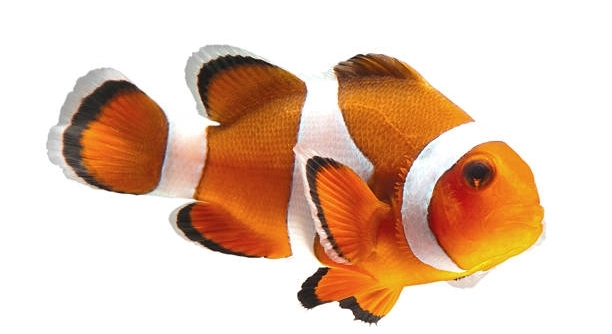
Clownfish are known for their strong pair bonds, but sometimes these connections weaken. Observing how your clownfish interact can reveal when they are beginning to reconnect. Recognizing these signs helps maintain a healthy and balanced aquarium environment.
Clownfish rebond through specific behaviors such as swimming closely together, mutual cleaning, synchronized movements, and sharing territory. These actions demonstrate renewed trust and social connection essential for their pair relationship and overall well-being.
Understanding these behaviors can improve how you care for your clownfish and support their natural bonding process in captivity.
Signs of Increased Physical Contact
Clownfish that are rebonding tend to increase their physical contact. This includes swimming side by side, touching fins, and staying close within their shared territory. Physical closeness shows comfort and trust returning between the pair. You may also notice gentle nipping or cleaning behaviors, where one fish uses its mouth to clean the other’s body or fins. These actions help strengthen their bond and maintain their health. It is important to watch for these behaviors over several days, as clownfish often build trust gradually. A sudden increase in physical contact usually signals that the pair is reconnecting after a period of distance or stress. In a healthy tank, these signs promote a peaceful atmosphere and support the fish’s natural social habits. Observing these details can improve how you understand and support your clownfish.
This behavior signals the pair is reestablishing their connection and comfort with each other, which is vital for their long-term stability.
Physical contact is a primary method clownfish use to maintain and rebuild bonds. When they swim close together or engage in cleaning, it reduces tension and affirms their partnership. Over time, this closeness encourages cooperation in defending territory and caring for eggs if breeding. Watching these interactions gives clear insight into their relationship health. If contact decreases again, it may indicate stress or conflict. Maintaining clean, stable water conditions and minimizing disturbances can encourage positive interactions. By recognizing the importance of physical contact, caretakers can better support clownfish wellbeing and successful pair bonding.
Vocalizations and Movement Patterns
Clownfish use sounds and movements to communicate changes in their bond.
Vocal signals like clicks or pops often increase during rebonding. These sounds help coordinate movements and signal peaceful intentions. Alongside vocalizations, synchronized swimming or following each other closely are signs of renewed connection. This communication fosters teamwork and trust between the pair. Monitoring these cues can reveal how the fish are adjusting and rebuilding their relationship.
Changes in Color Intensity
Clownfish often show changes in their color when rebonding. Their colors may become brighter or more vibrant as a sign of renewed health and connection.
Brighter colors signal that the fish are feeling more secure and less stressed. When clownfish reconnect, their bodies respond with better coloration because stress hormones decrease. This change is a positive sign that their environment supports their emotional and physical wellbeing. In contrast, dull or faded colors can indicate tension or illness, so improved color is a good sign the pair is rebuilding trust. Watching for these subtle color shifts helps you track how well the clownfish are doing after any disturbance.
Color intensity also reflects diet and tank conditions. Proper nutrition, clean water, and stable lighting all contribute to vibrant colors. Rebonding clownfish often eat more willingly, showing that their comfort level has improved. These combined factors reinforce the visual clues you see during their social interactions, helping you better understand their recovery process.
Mutual Territory Defense
Clownfish pairs that are rebonding begin to defend their shared territory together more actively.
This behavior involves swimming around the anemone or reef area and chasing away intruders. Territorial defense requires cooperation and signals that the pair is united. When clownfish work together in this way, it shows their bond is strengthening and that they trust each other’s support. If one fish seems less involved, it might indicate the bond is still weak or uncertain.
Shared defense also helps reduce stress by maintaining control over their environment. It provides safety and stability, which encourages the pair to remain close. Over time, this cooperation in guarding territory supports breeding success and long-term companionship. Watching how actively your clownfish defend their space can give you a clear idea of how strong their relationship is becoming.
Increased Cleaning Behavior
Clownfish show more cleaning behavior when rebonding. They use their mouths to gently remove debris or parasites from each other’s bodies.
This action helps rebuild trust and strengthens their social connection. It also promotes better health by keeping both fish clean and comfortable.
Changes in Feeding Habits
Rebonding clownfish often eat more regularly and with less competition. They share food areas calmly and show less aggression around feeding time. This change reflects increased trust and reduced stress, supporting their overall well-being and strengthening their pair bond through positive interactions during meals.
Nest Preparation
Clownfish preparing a nest together often indicates rebonding. They clean and guard a chosen site, showing cooperative behavior. This activity is closely tied to breeding readiness and signals growing trust between the pair, which is essential for successful reproduction.
Reduced Aggression
As clownfish rebond, aggressive behaviors decrease noticeably. There are fewer chases or nips, replaced by calmer, more peaceful interactions. This reduction in hostility signals improved harmony and comfort within the pair’s relationship.
How long does it take for clownfish pairs to rebond?
The time needed for clownfish pairs to rebond varies widely. It can take from a few days to several weeks depending on factors like stress level, tank environment, and the fish’s individual personalities. Some pairs recover quickly after minor disturbances, while others need longer periods of calm and stability. Consistent water quality, minimal tank changes, and limited handling help speed up the process. Observing gradual increases in positive interactions such as swimming together or cleaning is a good way to track rebonding progress.
Can clownfish rebond after a fight or separation?
Yes, clownfish can rebond after a fight or brief separation. Clownfish are social animals with natural pair bonds that can recover if their environment supports it. After a conflict, they often show signs of distance but will gradually resume normal behaviors like close swimming and shared territory defense. However, if stressors remain or aggression continues, rebonding may be delayed or fail. Ensuring stable conditions and limiting stressors is key to helping clownfish reconnect after disruptions.
What are common reasons clownfish pairs lose their bond?
Common reasons for losing a bond include changes in tank environment, poor water quality, introduction of new fish, or health problems. Stress from loud noises, sudden movements, or inappropriate tank mates can also cause tension. Sometimes, dominance disputes or breeding stress lead to temporary separation. Recognizing these causes helps prevent future issues and supports better pair stability.
Is it necessary to intervene if clownfish show signs of rebonding?
Intervention is usually not necessary unless aggression or stress signs persist. Often, clownfish manage their own social dynamics effectively. Providing a stable, clean tank environment with proper hiding places supports natural rebonding. Avoid overcrowding and sudden changes to reduce stress. If aggression escalates or one fish appears injured or weak, separating them temporarily may be needed to allow recovery.
Do clownfish pairs always rebond after a disruption?
Not always. Some pairs may not fully recover if stressors are too severe or prolonged. Incompatible personalities or health issues can prevent rebonding. It is important to monitor behaviors closely and maintain ideal conditions. Sometimes, forming a new pair may be necessary if the original pair cannot reconnect.
Can diet influence clownfish bonding?
A balanced diet positively influences clownfish health and behavior. Well-fed fish are less stressed and more likely to display normal social behaviors like cleaning and swimming together. Offering varied food such as pellets, frozen shrimp, and algae promotes vitality and encourages interaction. Poor nutrition can increase aggression and reduce bonding behaviors.
How can tank setup affect clownfish rebonding?
Tank setup plays a crucial role in clownfish relationships. Providing ample space, live rock, and hiding spots reduces stress and territorial disputes. A healthy anemone or substitute host enhances comfort and security, encouraging bonding. Stable water parameters and appropriate lighting also support natural behavior. A well-designed tank creates an environment where clownfish can focus on rebuilding their bond without added stress.
What signs indicate a clownfish pair is not rebonding successfully?
Signs include persistent aggression, constant chasing, hiding, loss of appetite, or faded colors. If the fish avoid each other or one becomes lethargic, it suggests the bond is weak or broken. Lack of shared territory defense or cooperative behaviors also indicates trouble. Early detection of these signs helps address problems before they worsen.
Is it possible for clownfish to bond with more than one partner?
Clownfish generally form strong monogamous pairs and do not bond well with multiple partners simultaneously. Introducing new fish may increase stress and aggression. Some species or individual fish may tolerate others in the same tank but forming a true pair bond usually happens with a single partner. Maintaining one stable pair is best for their wellbeing.
How do breeding behaviors relate to clownfish rebonding?
Breeding behaviors often accompany rebonding. Preparing nests, cleaning surfaces, and guarding eggs are signs the pair is working together. Successful breeding requires trust and cooperation, so observing these behaviors indicates a healthy bond. Supporting proper environmental conditions and diet helps encourage natural reproductive cycles connected to their social relationship.
Clownfish pairs form strong bonds that are important for their social life and well-being. When these bonds weaken, it can affect their behavior and overall health. Recognizing the signs that your clownfish are rebonding helps you understand what is happening beneath the surface. Simple behaviors such as swimming closely together, cleaning each other, and sharing territory show that the pair is reconnecting. Paying attention to these clues allows you to support your fish more effectively and maintain a healthy aquarium environment. It is important to remember that rebonding takes time and patience.
Providing a stable and calm environment is essential for clownfish to rebuild their relationship. Factors like clean water, a consistent tank setup, and proper nutrition all contribute to their ability to reconnect. Stress and sudden changes can delay the rebonding process or even cause further separation. Observing your clownfish daily helps you spot improvements or setbacks early. If aggression or stress signs persist, adjustments to the tank or temporary separation may be necessary. However, most clownfish pairs are capable of overcoming difficulties when given the right conditions and time to heal their bond.
Understanding how clownfish communicate through physical contact, movement, and feeding habits deepens your appreciation for their social nature. The rebonding process is a natural part of their behavior and reflects their need for connection and cooperation. By recognizing the signs and maintaining a supportive environment, you can help your clownfish thrive together. This knowledge also improves your experience as a caretaker, allowing you to create a balanced habitat that encourages strong and lasting pair bonds. Ultimately, careful observation and gentle care promote healthy relationships between your clownfish and contribute to a peaceful tank community.

Hello,
If you enjoy the content that we create, please consider saying a "Thank You!" by leaving a tip.
Every little bit helps us continue crafting quality advice that supports the health, happiness, and well-being of pets around the world, for pets of all shapes, sizes, and species.
We really appreciate the kindness and support that you show us!