
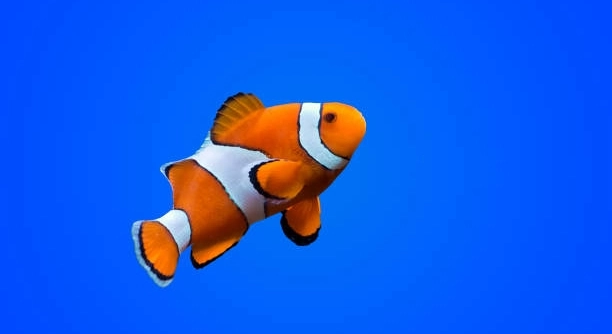
Are your clownfish swimming in opposite corners of the tank? This behavior can be confusing and may seem unusual for such social fish. Understanding why they act this way can help maintain a healthy aquarium environment.
Clownfish swimming in opposite corners usually indicate territorial behavior or stress. They may be establishing separate spaces to avoid conflict or reacting to changes in their environment, such as tank size, water quality, or the presence of other fish.
Recognizing these behaviors is key to ensuring your clownfish remain comfortable and thriving in their aquatic home.
Understanding Territorial Behavior in Clownfish
Clownfish are naturally territorial animals. When they swim in opposite corners, they may be marking their own spaces to avoid confrontation. This behavior is common when two or more clownfish share a tank without enough hiding spots or territory boundaries. They use body language, colors, and movements to communicate their presence and keep others at a distance. Sometimes, one clownfish becomes dominant and controls a larger area, forcing the other to stay in a separate corner. This separation helps reduce aggression and stress, which is important for their health. Tank size also plays a role; smaller tanks increase competition for space, leading to more visible territorial displays. Providing ample hiding places like rocks or anemones can encourage peaceful coexistence by allowing each fish a safe retreat. Keeping the water clean and stable also reduces stress that might heighten aggressive behaviors between clownfish.
Territorial behavior is a natural way for clownfish to establish boundaries and reduce conflicts in shared environments.
Learning how clownfish interact helps you create a balanced tank. Proper tank setup and observing their behavior can prevent issues related to stress and aggression. With this understanding, you can adjust conditions to support harmony among your fish.
Environmental Factors Affecting Clownfish Behavior
Changes in the tank environment often influence how clownfish behave. Poor water quality, sudden temperature shifts, or overcrowding can make clownfish anxious and more likely to separate. Maintaining stable water parameters is crucial to keeping clownfish calm and comfortable. Overcrowding, especially with other aggressive fish, forces clownfish to stake out different corners for safety. Providing enough space and hiding spots reduces tension and promotes natural behavior. Lighting can also impact activity levels; too bright or too dim lighting might cause stress or inactivity. Regular tank maintenance, such as water changes and filter cleaning, ensures the environment remains healthy. Sometimes, introducing an anemone or similar shelter helps clownfish feel secure, which reduces territorial disputes. Monitoring these factors and adjusting as needed will encourage more natural and relaxed swimming patterns.
Stress from environmental changes often causes clownfish to seek separate areas for safety and comfort.
Keeping the tank stable and well-maintained supports healthy clownfish behavior. Simple changes can improve their well-being and reduce conflicts in your aquarium.
Signs of Stress in Clownfish
Clownfish under stress often display unusual swimming patterns, such as isolating themselves in opposite corners. They may also lose color, eat less, or become more aggressive. These behaviors indicate discomfort that requires attention.
Stress in clownfish can be caused by poor water quality, sudden changes in temperature, or overcrowding. These factors disrupt their natural behavior and may weaken their immune system. When stressed, clownfish become less active and more prone to illness. Signs include rapid breathing, hiding, and erratic swimming. It’s important to regularly test water parameters and keep the tank clean to prevent stress. Avoid overcrowding and introduce tank mates carefully to minimize conflicts. A calm environment supports their natural behavior and helps them thrive.
To reduce stress, ensure stable water conditions and provide hiding spots like rocks or anemones. This gives clownfish a safe space to retreat and lowers tension in the tank.
How to Encourage Peaceful Behavior
Separating clownfish temporarily can reduce aggression and give them time to settle. Use tank dividers if necessary to create boundaries without removing fish from the tank.
Providing plenty of hiding places and plants encourages natural exploration and reduces conflict. Regular feeding and consistent water quality keep clownfish healthy and less prone to aggressive behavior. Introducing new tank mates slowly and monitoring interactions helps maintain peace. Avoid overcrowding and choose compatible species to minimize competition. Adjusting lighting to a natural cycle also supports calm behavior. A well-planned environment helps clownfish feel secure, promoting peaceful coexistence. Regular observation allows for quick response if problems arise, ensuring a stable, happy tank atmosphere.
Impact of Tank Size on Clownfish Behavior
A small tank limits the space clownfish have to establish territories, increasing stress and aggressive behavior. Larger tanks allow them to spread out and reduce conflict.
Proper tank size is essential for healthy clownfish interactions and overall well-being.
Feeding Habits and Their Effect on Clownfish Interaction
Regular feeding schedules prevent competition and aggression among clownfish. Uneven feeding or limited food can cause fights and stress. Feeding small amounts multiple times a day encourages peaceful behavior and maintains energy levels.
Keeping a consistent diet supports healthier interactions and reduces tension in the tank.
Recognizing Aggression Versus Normal Behavior
Clownfish chase each other briefly during territory establishment, which is normal. Prolonged chasing or biting signals real aggression that needs intervention.
Monitoring their behavior helps differentiate normal social interactions from harmful fights.
Benefits of Adding Anemones in the Tank
Anemones provide natural shelter for clownfish, reducing territorial disputes. They also create a comfortable environment that mimics the wild.
Including anemones often leads to calmer, happier clownfish.
Why are my clownfish swimming in opposite corners of the tank?
Clownfish often swim in opposite corners due to territorial behavior. When sharing a tank, each fish tries to claim its own space to avoid conflict. Stress or environmental changes like water quality or overcrowding can also cause this separation. It’s a way for them to feel safer.
Is it normal for clownfish to act aggressive toward each other?
Some aggression is normal, especially when establishing territory or hierarchy. Brief chasing or posturing is common. However, constant fighting, biting, or chasing indicates excessive aggression, which can harm the fish and should be addressed.
How can I reduce aggression between clownfish?
Increase tank size or add dividers to give them more space. Providing plenty of hiding spots like rocks and anemones helps reduce stress. Maintaining good water quality and a consistent feeding schedule also lowers aggression. Introducing fish slowly and avoiding overcrowding keeps the environment calm.
Does tank size affect clownfish behavior?
Yes, a small tank restricts movement and space for territories, increasing stress and aggression. Larger tanks give clownfish room to establish boundaries and reduce conflicts. A minimum of 20 gallons is recommended for a pair of clownfish.
Can water quality cause clownfish to separate?
Poor water quality stresses clownfish, causing unusual behavior like swimming apart. Ammonia, nitrite spikes, or unstable pH can make them uncomfortable. Regular testing and maintenance are important to keep water parameters stable and safe.
Will adding anemones help my clownfish get along?
Anemones provide natural shelter and reduce territorial disputes by giving clownfish a safe place to retreat. They mimic the clownfish’s natural habitat and often promote calmer behavior. However, anemones require specific care and stable tank conditions.
Why do clownfish sometimes lose color when stressed?
Stress affects clownfish health and appearance. When stressed by poor conditions, aggression, or illness, their colors may fade or dull. Maintaining stable water conditions, proper diet, and a peaceful environment helps keep their vibrant colors.
How often should I feed clownfish to reduce stress and aggression?
Feeding small amounts two to three times a day is ideal. Regular feeding prevents competition and ensures all fish get enough food. Avoid overfeeding, which can harm water quality and increase stress.
Can clownfish live with other fish peacefully?
Clownfish can coexist with many peaceful species but may become territorial with aggressive or similar-sized fish. Choosing compatible tank mates and providing enough space helps reduce conflicts.
When should I separate clownfish permanently?
If aggression causes injury or extreme stress, permanent separation may be necessary. Use separate tanks or dividers to protect weaker fish and maintain their health. Early intervention prevents serious harm.
When clownfish swim in opposite corners of a tank, it often points to natural behaviors like territoriality or stress caused by environmental factors. Understanding these reasons helps in creating a better living space for them. It is important to remember that clownfish are not always social in the way we expect. They need clear boundaries to feel secure. If the tank is too small or lacks enough hiding spots, clownfish may become stressed and choose to stay apart. Keeping the water clean and stable is also key to reducing stress. These simple steps can improve their behavior and overall health.
Maintaining a peaceful tank requires attention to several details. Providing enough space allows clownfish to claim their own areas without feeling threatened. Adding shelters such as rocks or anemones encourages natural hiding and reduces aggressive encounters. Feeding the fish regularly with small portions prevents competition for food, which can increase tension. Monitoring water quality by checking parameters like temperature, pH, and ammonia levels is essential. Changes in water conditions often lead to unusual behaviors or health problems. When problems arise, observing the fish closely helps determine if stress or aggression is the cause and what actions to take.
Taking care of clownfish means balancing their needs with the environment you provide. While it is normal to see some territorial behavior, excessive aggression or stress indicates adjustments are needed. Larger tanks, good filtration, and consistent care create a stable home that supports healthier behavior. Over time, clownfish tend to settle into their roles and become less defensive when they have a comfortable space. Watching their interactions and responding quickly to signs of distress ensures their well-being. These efforts make it possible to enjoy a vibrant, peaceful aquarium with happy clownfish swimming freely.

Hello,
If you enjoy the content that we create, please consider saying a "Thank You!" by leaving a tip.
Every little bit helps us continue crafting quality advice that supports the health, happiness, and well-being of pets around the world, for pets of all shapes, sizes, and species.
We really appreciate the kindness and support that you show us!