
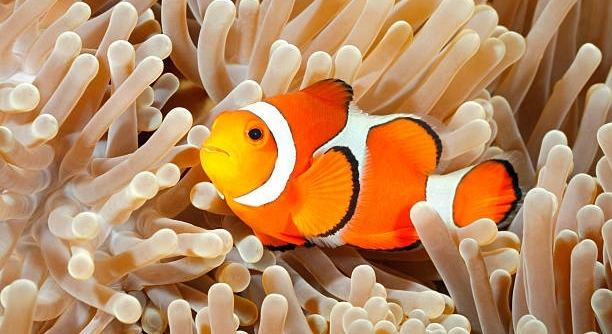
Are your clownfish behaving differently than expected, or not showing the same colors you’ve seen in documentaries or aquariums?
Wild and captive clownfish differ in behavior, diet, coloration, health, reproduction, and social dynamics due to environmental conditions and human intervention. These differences shape how they live, interact, and thrive in their respective settings.
Understanding these differences can help you care for your clownfish better and give you insight into their natural world.
Behavior Differences
In the wild, clownfish follow a natural social structure. Each group has a dominant female, a breeding male, and several smaller non-breeding males. They defend their anemone home, chase intruders, and compete for food. These behaviors help them survive and keep their place in the group. Wild clownfish also show more caution, hiding quickly when sensing danger. In contrast, captive clownfish are often more relaxed and used to humans. They may not show the same level of aggression or hierarchy. Their social patterns can still form, but they’re often shaped by tank size, feeding routine, and the number of fish present. Captive clownfish also rely on their owners for food, so they usually swim toward people instead of hiding.
Captive clownfish are usually more passive and less territorial, while wild clownfish act defensively to protect their home and position.
Behavioral differences are influenced by safety, food access, and the environment. These factors shape how clownfish react and interact.
Diet and Nutrition
Wild clownfish eat a mix of algae, plankton, and tiny crustaceans they catch in the water. Their diet changes depending on what’s available around their reef.
Captive clownfish depend on what their owners feed them. Most eat frozen or pellet food, which is made to meet their needs. While convenient, this food can be repetitive, and it may lack some nutrients found in a wild diet. Some owners offer variety by adding live or frozen brine shrimp or mysis shrimp. A varied diet helps mimic natural feeding and supports good health. Wild clownfish benefit from seasonal and unpredictable food sources, which also affects their energy levels and growth patterns. On the other hand, captive clownfish often grow faster due to consistent feeding. However, overfeeding is a concern in tanks and can lead to weight gain or water quality problems. Creating a feeding schedule and watching portions can help avoid this. Offering variety supports their health and keeps them active.
Color and Appearance
Wild clownfish often have brighter colors due to a natural diet, clean water, and sunlight. Their vivid patterns help them stay visible to mates and warn predators.
Captive clownfish can still be colorful, but their appearance may change over time. Tank lighting, stress, and food quality affect how they look. Poor water conditions can dull their colors. Some clownfish are bred in captivity with different color patterns or unique markings not seen in the wild. These designer types are popular in the aquarium trade but are not always as healthy. In wild environments, clownfish develop naturally with strong immune systems and clear patterns. Captive ones may not face the same challenges, so their appearance reflects a more controlled setting.
Maintaining color in a tank setting takes a bit of work. Offering a balanced diet, using proper lighting, and keeping the water clean helps preserve their natural brightness and overall appearance.
Health and Disease
Wild clownfish deal with natural threats, but they tend to be hardier. They live in stable environments that support strong immune systems.
Captive clownfish are more exposed to sudden changes in water quality, crowding, and unfamiliar bacteria. This makes them more vulnerable to common tank diseases like ich and fin rot. Stress from poor tank conditions can weaken their immune systems. That’s why regular maintenance is key. Wild clownfish usually don’t suffer from these same problems unless their reef is damaged or the water becomes polluted. In a tank, owners must monitor temperature, ammonia, nitrate levels, and tank mates. Adding too many fish or failing to clean the tank can lead to stress and illness. Quarantining new fish before adding them to a tank also helps reduce disease spread. Healthy tank conditions help captive clownfish stay strong and active.
Reproduction
Wild clownfish follow a natural breeding cycle. The dominant female lays eggs on a flat surface near their anemone, and the male fertilizes and guards them. Water temperature and moon cycles often influence spawning.
In captivity, breeding can still happen, but it depends on stable tank conditions and minimal stress. Owners may need to separate pairs during breeding.
Social Structure
Wild clownfish form strict social groups with one female at the top. If she dies, the dominant male becomes female, and the next male moves up. This structure keeps the group balanced.
Movement and Space
Wild clownfish stay close to their anemone, but they have more room to explore and escape danger. Captive clownfish often have limited space, so they show less natural movement.
FAQ
Can a wild clownfish adapt to life in a tank?
Yes, but it takes time and care. Wild clownfish may become stressed when moved into captivity. They are used to open reefs, natural food, and complex social structures. Sudden changes in water temperature, diet, and space can affect their health. To help them adapt, keep water conditions stable, offer live food at first, and avoid sudden movements around the tank. Over time, they may become more comfortable, but some wild clownfish may never fully adjust to tank life the same way as captive-bred ones do.
Why do some captive clownfish have unusual colors or patterns?
Many captive clownfish are selectively bred to have unique colors and markings. These are often called “designer clownfish.” Breeders pair clownfish with rare traits to create new looks, like extra white patches or brighter orange tones. While these fish can be beautiful, they sometimes have weaker immune systems or less predictable behavior. Wild clownfish don’t have these traits because their appearance is shaped by survival, not selective breeding. If you want a hardy clownfish, a more naturally colored variety might be the better choice.
Do wild clownfish live longer than captive ones?
Not necessarily. In the wild, clownfish face threats like predators, changing ocean conditions, and pollution. Many don’t survive long due to these challenges. In captivity, clownfish are protected from predators and have steady food and clean water—if well cared for. This often allows them to live longer, sometimes over ten years. However, poor tank conditions can shorten their lifespan. So, while wild clownfish may be stronger at first, captive ones can outlive them with consistent care and a stress-free environment.
How can I make a captive clownfish’s environment more natural?
You can help by mimicking parts of their wild habitat. Use live rock, choose soft lighting, and keep a stable temperature between 75–82°F (24–28°C). Add a host anemone if your setup allows, though not all clownfish need one in captivity. Offer a varied diet that includes frozen shrimp, pellets, and some live options. Limit tank mates to avoid stress. Small changes like these can make a big difference in your clownfish’s behavior and comfort. A calm, well-set tank helps them feel safer and act more naturally.
Why do my captive clownfish sometimes fight?
Even in tanks, clownfish maintain a social order. When two clownfish are placed together, they often fight to establish dominance. Usually, the larger one becomes female. This behavior is normal, but it can look aggressive. Fights tend to calm down once the roles are set. If the fighting continues for days or seems harmful, consider separating them. Tank size, hiding spots, and the fish’s age can all affect how well they get along. Introducing them when young can also help reduce conflict.
Do captive clownfish need an anemone to survive?
No, they don’t. While wild clownfish live with anemones for protection, captive clownfish do fine without them. Over time, they’ve learned to use other tank decorations for shelter. Some captive clownfish may never show interest in anemones at all. If you decide to keep one, make sure your tank is large enough and that the water is stable. Not all anemones are easy to care for, and many need strong lighting and clean conditions. It’s optional, but it can be a nice addition if done right.
Can wild and captive clownfish live together in the same tank?
It’s possible, but it’s risky. Wild clownfish may carry bacteria or parasites that captive fish haven’t been exposed to. This can lead to health issues. They may also behave more aggressively or struggle to adapt to the smaller space. If you decide to mix them, quarantine the wild clownfish first and monitor both closely. It’s often easier to stick with either wild or captive-bred fish, especially if you’re new to keeping clownfish. Mixing the two types can lead to unexpected problems if not managed carefully.
Final Thoughts
Clownfish are popular for their bright colors and interesting behavior. Whether they live in the wild or in a tank, they have unique traits that make them stand out. Understanding the differences between wild and captive clownfish can help you care for them better. Wild clownfish face natural challenges like predators, changing water conditions, and limited food. They rely on instincts, social order, and their relationship with sea anemones to survive. In contrast, captive clownfish live in a more controlled environment. They don’t face the same dangers, but they depend on humans to meet their needs.
Captive clownfish are often calmer and more used to people. Their food, tank setup, and health depend on how they are raised and cared for. Because they don’t experience the same struggles as wild clownfish, their behavior can be different. For example, captive clownfish may show less aggression or stay close to the glass when someone walks by. Breeding, colors, and even life spans are all affected by whether the fish is raised in the wild or in a tank. Knowing how these things work can help you make better choices—especially if you are thinking about keeping clownfish in your home aquarium.
Whether you are watching clownfish swim through a reef or feeding them in a home tank, there’s value in both experiences. Wild clownfish are shaped by nature and survival, while captive clownfish are shaped by human care and attention. Both types have special needs and behaviors. If you keep clownfish in a tank, learning more about their wild behavior can help you understand them better and improve their quality of life. A good setup, steady routine, and clean tank go a long way. Paying attention to these things helps your fish live longer and stay active. With the right care, captive clownfish can thrive, showing off their colors and unique patterns for years.

Hello,
If you enjoy the content that we create, please consider saying a "Thank You!" by leaving a tip.
Every little bit helps us continue crafting quality advice that supports the health, happiness, and well-being of pets around the world, for pets of all shapes, sizes, and species.
We really appreciate the kindness and support that you show us!