
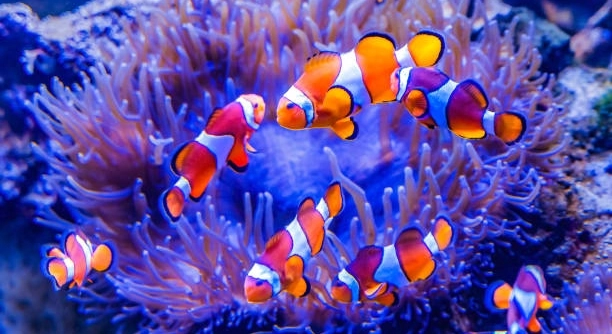
Clownfish are small, colorful fish often seen in coral reefs. These fish show different feelings through tiny movements and behaviors. Learning to read these signs can help us understand their emotions better.
Clownfish express emotions through subtle clues such as changes in color intensity, fin movements, body posture, and interaction patterns with other fish. These signs provide insight into their stress levels, comfort, and social connections.
Recognizing these small details can improve how we care for clownfish and appreciate their complex behaviors. This article explores seven tiny clues that reveal what clownfish might be feeling.
Color Changes in Clownfish
Clownfish can show their emotions through changes in their colors. When they feel stressed or scared, their bright colors may become dull or pale. This happens because stress affects their body and reduces the pigments in their skin. On the other hand, when clownfish feel safe and happy, their colors appear more vivid and bright. This color shift is an easy way to tell how a clownfish might be feeling without disturbing it. Observing these changes regularly can give clues about the fish’s environment and comfort. It is important to note that color changes can also be caused by other factors like lighting or health, so it’s good to consider other behaviors too. Watching their color carefully can help caretakers ensure that the fish are in a good environment and not experiencing distress.
These color shifts often happen slowly, but they are a clear sign of emotional changes in clownfish.
Watching these color variations closely gives useful insights into a clownfish’s well-being. It helps in noticing when something might be wrong or when the fish is feeling relaxed and content. Understanding this can guide how to create a better habitat or improve care methods to keep clownfish happy.
Fin Movements and Positioning
Clownfish use their fins to communicate feelings and intentions. Quick fin flicks or frequent fin movements may signal agitation or nervousness. Slow, relaxed fin motions usually mean calmness.
Fin movements are a key way clownfish express themselves. When a clownfish is relaxed, its fins move gently and steadily, showing no signs of tension. If the fish suddenly starts flapping its fins quickly or holding them stiffly, it could be a sign of stress or fear. For example, if a new fish enters its territory, the clownfish may display aggressive fin motions to warn others. Also, during mating or social interactions, fin positioning can change to show friendliness or dominance. Paying attention to how a clownfish moves its fins can reveal whether it feels safe or threatened. This makes fin observation a practical tool for anyone wanting to understand clownfish emotions better or care for them responsibly.
Body Posture and Movement
Clownfish body posture changes depending on their mood. A relaxed fish swims smoothly, while a stressed one may dart quickly or stay still.
When a clownfish feels comfortable, its movements are calm and steady. It often glides through the water with gentle turns, showing no signs of tension. In contrast, if the fish is scared or anxious, it might swim erratically or freeze in one spot. These sudden or jerky motions indicate discomfort or threat. Observing posture and movement patterns over time helps understand what the fish is experiencing emotionally.
Body posture also signals social status. A dominant clownfish may hold itself upright and swim confidently, while a submissive one might stay low near the reef, avoiding direct confrontation. Watching these behaviors provides clues about their interactions and emotional state within the group.
Interaction with Other Fish
Clownfish communicate their feelings by how they interact with other fish. Friendly behaviors include swimming close and gently touching, while aggressive acts involve chasing or biting.
Social interactions show much about clownfish emotions. When they feel secure, clownfish often stay near their partners or group, sometimes nuzzling or brushing against each other. This contact signals trust and bonding. On the other hand, if a clownfish feels threatened, it may chase others away or act defensively. These behaviors protect its territory and help reduce stress. Watching these social cues gives a clearer picture of how clownfish manage their relationships and express feelings. Understanding these signs can improve how we support their social needs and maintain harmony in their environment.
Eye Movements and Focus
Clownfish eye movements reveal their attention and mood. Calm fish have steady, relaxed eyes, while stressed fish may dart their eyes quickly.
Watching where a clownfish looks can show its interest or concern. Focused staring might mean curiosity or alertness, while rapid eye movements can indicate anxiety or fear.
Gill Movement Rate
The rate of gill movements changes with a clownfish’s emotional state. Faster gill beats often signal stress or excitement, while slower rates suggest calmness or rest.
Monitoring gill rates helps detect changes in a fish’s condition early. It can indicate if the fish is comfortable or reacting to environmental pressures.
Territory Guarding Behavior
Clownfish guard their territory to protect their home and feel secure. This behavior often increases when they sense threats nearby, showing their instinct to maintain safety.
How can I tell if a clownfish is stressed?
Signs of stress in clownfish include dull color, rapid or erratic swimming, and fast gill movements. They might hide more than usual or stay still in one spot. Sometimes, stressed clownfish show aggressive behaviors, such as chasing others or biting. Watching their fins, body posture, and eye movements can also give clues. If you notice these signs, it’s important to check water quality and tank conditions, as poor environments often cause stress.
What causes clownfish to change color?
Clownfish colors can change due to stress, illness, or environmental factors like lighting. When stressed, their bright orange or white colors may fade or become dull. Illness and poor water quality can also affect pigmentation. On the other hand, healthy, comfortable clownfish tend to display vibrant and clear colors. These color changes are not instant but happen gradually, so regular observation helps detect subtle shifts.
Why do clownfish flick their fins rapidly?
Rapid fin flicking usually signals agitation or nervousness. It can happen when the fish feels threatened, encounters a new fish, or experiences poor water conditions. Sometimes, it’s a reaction to sudden movements near the tank. Calm clownfish, in contrast, move their fins slowly and steadily. Paying attention to fin movements is an easy way to monitor emotional states.
Is it normal for clownfish to chase each other?
Yes, chasing is a natural behavior used to establish territory or dominance. Dominant clownfish may chase others to protect their area or mates. However, excessive chasing can indicate stress or overcrowding. Watching the frequency and intensity of these chases helps determine if the environment is balanced or if changes are needed.
What does it mean when a clownfish stares at something?
Clownfish staring usually means curiosity or alertness. They may focus on objects, other fish, or movements nearby. Steady eye focus suggests they are attentive and relaxed. If the staring is accompanied by tense body posture or fast fin movements, it might mean the fish feels threatened or anxious.
How do clownfish show affection or bonding?
Clownfish show bonding by swimming close, touching gently, or staying near each other. These social behaviors indicate trust and comfort within their group or pair. Mutual grooming or nuzzling is less common but can be seen during peaceful interactions. Recognizing these signs helps in understanding their social needs.
Can clownfish feel loneliness or boredom?
Clownfish are social creatures and often prefer company. Being alone for long periods can cause stress or boredom, leading to less active behaviors or changes in color. Providing a proper environment with other compatible fish or hiding spots can reduce loneliness and encourage natural behavior.
What should I do if my clownfish shows signs of stress?
First, check the water quality, temperature, and tank cleanliness. Poor conditions are common stress causes. Ensure the tank size is appropriate and there is enough space for hiding. Avoid sudden changes and reduce loud noises near the tank. Sometimes, adding plants or decorations helps create a calming environment. If stress persists, consulting a specialist or vet is recommended.
Do clownfish communicate emotions with sounds?
Clownfish can produce soft clicking or popping sounds, especially during fights or mating. These noises help communicate aggression or courtship but are usually too quiet for humans to hear clearly. Sound plays a small role compared to visual signals like color and movement.
How often should I observe my clownfish to understand their emotions?
Daily observation is best. Watching their behavior at different times helps notice subtle changes in color, posture, or activity. Keeping a simple log can help track patterns and detect problems early. Consistent care and attention improve your ability to respond to their needs.
Clownfish are fascinating creatures with many small ways to show their emotions. Paying attention to their colors, movements, and behaviors can help us understand how they feel. These tiny clues reveal whether a clownfish is calm, stressed, or social. Learning to read these signals is useful for anyone who cares for clownfish or enjoys watching them in their natural environment. It helps create a better living space and improves their well-being. Recognizing emotional signs also deepens our appreciation for how complex and sensitive these fish can be.
Taking care of clownfish means more than just feeding them and keeping the water clean. It involves watching their daily actions and noticing changes in how they behave. For example, a change in color or rapid fin movement can be a warning that something is not right. When clownfish feel safe, they show relaxed movements and brighter colors. When they are stressed, they may act differently by hiding or chasing others aggressively. Understanding these behaviors lets us respond quickly to their needs, making their environment healthier and more comfortable. This awareness can prevent problems before they get worse.
Overall, the small details in clownfish behavior matter a lot. Observing their body language and social interactions gives us a glimpse into their emotional state. Clownfish communicate without words, but their actions speak clearly if we pay close enough attention. Being patient and consistent in watching these clues allows us to care for clownfish better and enjoy their lively presence. Knowing what these tiny fish are feeling makes the experience of keeping or seeing them more rewarding and meaningful.

Hello,
If you enjoy the content that we create, please consider saying a "Thank You!" by leaving a tip.
Every little bit helps us continue crafting quality advice that supports the health, happiness, and well-being of pets around the world, for pets of all shapes, sizes, and species.
We really appreciate the kindness and support that you show us!