
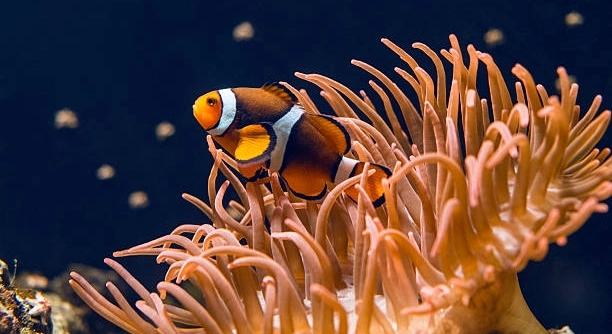
Have you ever stopped to think about what clownfish might experience beneath the surface of the ocean? These brightly colored fish are often known for their role in coral reefs and popular movies, but there’s more to learn. Exploring how animals like clownfish respond to pain can help us understand them better.
Current research suggests that clownfish can respond to potentially painful stimuli, but whether they experience pain as humans do is still debated. Their reactions appear to be more about avoiding harm than feeling emotional suffering.
Pain in animals is a complex subject, and clownfish provide a closer look at how biology, behavior, and science all come together in fascinating ways.
How Do Clownfish React to Harm?
Clownfish live in tight spaces among sea anemones, so they must stay alert to danger. When exposed to harmful substances or physical injury, they often show clear signs of stress. These signs may include rapid swimming, rubbing their bodies on objects, or changes in color. Scientists have tested how fish like clownfish respond to things like heat or chemicals and found that they actively try to avoid the source. This behavior is thought to be a protective response, helping them survive in tough environments. While it’s not clear if they “feel” pain the way people do, their reactions show that something uncomfortable is happening. Some researchers believe these responses could be more like reflexes, while others think there may be a more complex process involved. Still, what’s important is that their bodies are responding in a meaningful and consistent way to possible harm.
This means that clownfish don’t just float through life unaware. They notice changes around them and react quickly to stay safe.
Looking closely at these behaviors helps people understand that clownfish may deserve the same kind of careful treatment as other animals, especially in tanks or research settings.
What Does Science Say About Fish and Pain?
Studies show that fish have nerve endings that detect harmful events, known as nociceptors. These are also found in mammals and birds.
Fish brains process pain differently than humans, but they do react to damage in ways that go beyond simple reflexes. For example, some fish, after being hurt, avoid the area where it happened even long after the event. Others change their behavior for hours or days, suggesting memory or discomfort. In clownfish, similar patterns have been observed. While they don’t have a neocortex like humans, scientists believe other brain parts could be playing a role in processing pain signals. Because of this, some researchers argue that fish deserve basic protections, especially in aquariums, pet stores, and research. Although it’s still debated whether they experience pain emotionally, many signs point to a more advanced reaction than once believed. Understanding this helps improve how we care for fish in all environments.
Why It Matters for Clownfish Owners
Keeping clownfish in tanks means understanding their needs goes beyond just feeding them. If they can react to pain, it’s important to reduce anything that might cause stress or harm in their environment.
Tank conditions like water quality, temperature, and tank mates all affect how comfortable clownfish feel. Sudden changes in water temperature or pH can trigger stress behaviors. Aggressive tank mates may also cause them to hide or swim erratically. Providing hiding spaces and maintaining consistent tank conditions helps prevent discomfort. When clownfish are injured or handled roughly, they may show signs of distress, so gentle care matters. Watching their behavior closely can give clues if something is wrong. Many fish keepers notice that a calm, balanced setup helps clownfish stay active and healthy. A little attention to their environment goes a long way in protecting them from possible harm.
Clownfish might not cry out like other animals, but that doesn’t mean they don’t need comfort and safety. They rely on us to provide that.
Ethical Care and Consideration
Knowing that clownfish may experience some form of pain means we should be more careful with how we treat them. Every small decision in their care can make a difference in how they feel.
Handling clownfish gently, avoiding unnecessary stress, and creating a stable environment can reduce the chance of discomfort. If they are used in research or breeding, minimizing invasive procedures is important. Regular tank checks, gentle water changes, and thoughtful tank setups can make life better for them. When they show changes in swimming patterns, appetite, or social behavior, it’s worth taking notice. These signs could be more than just mood—they might be signs of discomfort or pain. Many fish owners find that learning to read their clownfish’s behavior builds a better connection. Choosing to treat them with care shows respect for the idea that their lives, even if different from ours, still hold value.
Signs Your Clownfish Might Be in Discomfort
Watch for changes in swimming behavior. If your clownfish is hiding more than usual, swimming quickly in short bursts, or rubbing against tank surfaces, these may be signs something is wrong.
Loss of appetite or staying near the surface for long periods can also mean your clownfish feels unwell or stressed.
Simple Ways to Reduce Harm
Keeping water conditions stable is one of the most helpful things you can do. Test the water regularly for temperature, ammonia, nitrite, and nitrate levels. Avoid overcrowding the tank, as this can lead to aggression and stress. Choose peaceful tank mates and provide hiding spots with rocks or soft decorations. When cleaning the tank or moving fish, use gentle tools and slow movements. Avoid loud noises near the tank, as vibrations can bother them. Feeding high-quality food also supports their health. Observing your clownfish daily helps you catch any problems early and adjust care as needed.
Why This Awareness Matters
Understanding how clownfish react to discomfort helps us become more thoughtful about their care, creating a safer and more respectful environment for them to live in.
FAQ
Can clownfish actually feel pain like humans do?
Clownfish do have nerve endings that detect harmful stimuli, but their experience of pain is different from humans. They lack the brain structures responsible for emotional pain in people. Instead, their responses are mostly reflexive or instinctive, designed to help them avoid danger and injury. While they may not “feel” pain emotionally, their bodies react to harmful situations in ways that protect them.
What are some common signs that my clownfish might be hurt or stressed?
Look for unusual swimming patterns like darting or rubbing against objects in the tank. Changes in color, loss of appetite, hiding more often, or staying near the surface for too long can also indicate discomfort or stress. These signs mean something in their environment may be causing harm or distress.
How can I make my clownfish’s tank more comfortable?
Keep the water clean and stable by testing it regularly for temperature and chemical balance. Avoid overcrowding the tank and choose peaceful tank mates to reduce aggression. Add hiding spots like rocks or coral to give your clownfish places to feel safe. Also, handle the fish gently during maintenance and avoid sudden changes in their environment.
Is it okay to handle clownfish for tank cleaning or moving?
Minimize handling whenever possible. When you do need to move them, use a soft net and move slowly to reduce stress. Rough or frequent handling can cause injury or stress, which may affect their health and behavior.
Do clownfish have memory related to pain or discomfort?
Yes, fish like clownfish can remember unpleasant experiences and avoid situations that caused harm. This shows a level of learning and memory that helps them survive. For example, if a certain area of the tank causes discomfort, they may stay away from it.
Can medications or treatments cause pain or stress in clownfish?
Some treatments, especially if not used properly, can cause discomfort or stress. Always follow dosage instructions carefully and observe your fish for any changes during treatment. Using medications as directed helps reduce the risk of causing harm.
Should I be concerned if my clownfish hides a lot?
Hiding is a natural behavior, especially when the fish feels threatened or stressed. However, constant hiding may indicate poor tank conditions, illness, or stress. It’s important to check water quality, tank mates, and overall environment to make sure your clownfish feels safe and healthy.
How can I tell if my clownfish is healthy?
A healthy clownfish is active, swims smoothly, eats well, and shows bright colors. It will interact with its environment and tank mates without signs of distress. Regularly observe their behavior to catch early signs of illness or stress.
Can clownfish feel emotional pain or suffering?
Scientific opinion is divided, but most researchers agree clownfish likely don’t experience emotional pain like humans do. Their responses focus more on survival and reflexive avoidance of harm. Still, they react to harmful stimuli in ways that show they are affected by negative experiences.
What should I do if I think my clownfish is in pain?
First, check water conditions and tank setup to remove any possible causes of stress or injury. Consult a vet or aquatic specialist for advice on treatment or care. Acting quickly helps prevent further discomfort and keeps your clownfish healthy.
Are there ways to enrich a clownfish’s environment to reduce stress?
Yes. Providing hiding spots, maintaining stable water conditions, and keeping peaceful tank mates helps. Enrichment like gentle water currents or changing decorations occasionally can stimulate natural behaviors and keep your clownfish mentally healthy.
Is it safe to keep clownfish with other species?
Clownfish are generally peaceful but can be territorial. Choose tank mates that are calm and not aggressive. Avoid large or aggressive fish that may stress or harm them. Proper tank size and enough hiding places reduce conflict.
How long do clownfish typically live in captivity?
With proper care, clownfish can live up to 10 years or more in captivity. Good water quality, proper diet, and a stress-free environment are key factors in their lifespan.
Can clownfish heal from injuries?
Yes, clownfish can heal from minor injuries if given the right environment and care. Clean water and minimal stress help the healing process. Severe injuries may need veterinary attention.
Clownfish are fascinating creatures, and understanding their experience helps us care for them better. While they may not feel pain exactly like humans, they do respond to harmful situations in ways that show discomfort or stress. Their reactions help them avoid danger and survive in their environment. As caretakers, it’s important to recognize these signs and create safe, comfortable spaces for them. This means paying attention to their behavior and making sure their tank conditions stay stable and clean.
Taking care of clownfish goes beyond feeding and decorating the tank. It means watching for signs that something might be wrong, like changes in swimming patterns, hiding more than usual, or loss of appetite. These behaviors are clues that the fish may be uncomfortable or in distress. Simple actions like maintaining proper water quality, choosing peaceful tank mates, and offering places to hide can make a big difference in how they feel. Being gentle when handling them and avoiding sudden changes also helps reduce stress. The more we learn about their needs, the better we can provide an environment that supports their health and wellbeing.
Ultimately, treating clownfish with respect and care benefits both the fish and the owner. Knowing that these small animals may experience discomfort encourages us to be thoughtful in how we keep them. Creating a peaceful, stable home helps clownfish thrive and live longer lives. Observing their behavior regularly allows us to respond quickly if problems arise. Clownfish depend on us to keep their surroundings safe, and by doing so, we contribute to their overall happiness and health. Caring for them thoughtfully is one way to show that even fish deserve kindness and attention.

Hello,
If you enjoy the content that we create, please consider saying a "Thank You!" by leaving a tip.
Every little bit helps us continue crafting quality advice that supports the health, happiness, and well-being of pets around the world, for pets of all shapes, sizes, and species.
We really appreciate the kindness and support that you show us!