
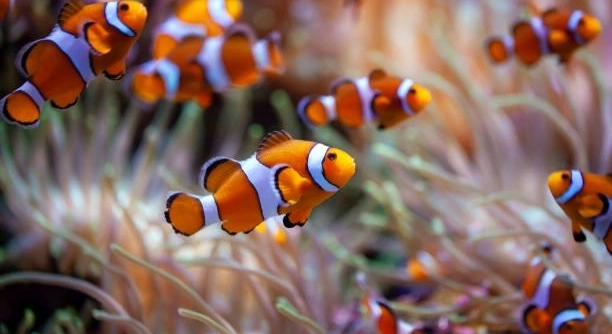
Have you ever set up a new aquarium and found yourself wondering how to tell if your clownfish are adjusting well to their surroundings?
Clownfish show they are settling in by becoming more active, exploring their space, hosting in anemones or corals, accepting food readily, showing consistent colors, reducing stress behaviors, and interacting calmly with tank mates.
From small movements to daily habits, understanding these signs will help you feel more confident about your clownfish’s well-being in their new home.
They Begin Exploring Their Surroundings
Once clownfish start feeling safe, they’ll slowly begin swimming around more often. You may notice them hovering near rocks, gliding between decorations, or poking in and out of coral crevices. This is a positive sign. It means they’re starting to get used to the space and don’t feel the need to hide all day. A healthy, curious clownfish will investigate its surroundings a few times a day, especially during feeding times or when the tank is calm. This behavior helps them feel in control and gives them mental stimulation. If they stay in one corner constantly or avoid open areas, they might still be adjusting. Observation is important during this time. Each clownfish has its own personality, and some take longer than others. Still, regular movement and interaction with the tank setup show confidence. Exploring is a sign that your clownfish are feeling secure enough to be more active.
This exploring phase may also help you notice which areas they prefer.
It’s helpful to avoid rearranging the tank during this stage. Once they’ve chosen favorite spots, too much change can unsettle them again. Clownfish are creatures of habit, so it’s best to let them settle into a stable space. Gradual movements and gentle lighting work well. Make sure nothing is overly bright or loud, as this can delay the process. Providing hiding spots is essential too. If they have somewhere to retreat to, they’ll feel more secure when venturing out. Keep in mind that clownfish are not fast explorers. They’ll get to know their home slowly, but steady movement is a strong indicator that they are getting used to their environment. During this phase, it’s a good idea to observe quietly, avoid sudden tank disruptions, and give them time to feel fully at ease.
They Start Hosting in an Anemone or Coral
Clownfish that feel at home often begin bonding with a particular coral or anemone.
This behavior isn’t just for protection. It’s also a major sign that your clownfish are becoming comfortable. Hosting means they’ve claimed that space as their own and feel relaxed enough to stay near it. Some clownfish even adopt soft coral or artificial decor if no anemone is present. This behavior typically starts with brief visits and gentle touches. Over time, they’ll begin to stay longer and defend the area. Hosting also encourages social behavior if there are multiple clownfish in the tank. You might see them taking turns or resting in the same spot. If your clownfish are still ignoring potential host spots, don’t worry. It can take days or even weeks. Providing the right species of anemone or coral and giving your fish space will help speed up the process. Once they start hosting, it usually means they’ve accepted the tank as their territory.
They Accept Food Without Hesitation
Clownfish that are adjusting well to their tank will swim up for food quickly and eat without much hesitation. They may even recognize feeding times and become more active when you approach the tank.
A healthy appetite shows they feel safe enough to focus on eating instead of hiding or swimming away. If your clownfish are eating flakes, pellets, or frozen food within a few seconds of it entering the water, that’s a good sign. Hesitant or picky eating in the first few days is normal, but consistent interest in food usually appears within the first week. Avoid overfeeding, though, as leftover food can affect water quality. Small, regular feedings are better. If your clownfish spit out food or only nibble a little, they may still be settling in. Keep feeding times quiet and distraction-free until they’re more comfortable. Over time, they’ll likely respond more actively.
Once clownfish connect your presence with feeding, you’ll probably see them swim toward the glass or surface as soon as you get near. This learned behavior is another sign of trust and comfort. Consistent feeding routines help reinforce a sense of safety in their environment. If you’re offering a mix of food types and seeing positive responses, that’s a clear indicator your fish are happy and adjusting well. It’s helpful to test different textures and sizes of food, especially in the beginning. Some clownfish may prefer brine shrimp while others go straight for pellets. Keep track of what they eat best and how they respond over time. Eating well is one of the strongest signs your clownfish are settling in.
Their Colors Remain Bright and Even
Stable coloration is one of the most visible signs of a calm and healthy clownfish. Bright, consistent colors show that stress levels are low and their environment is suitable for long-term health.
If your clownfish are adjusting well, their natural colors—typically orange, white, and black—should appear bold and unbroken. Faded patches, pale skin, or grayish tones can be signs of stress, poor water quality, or illness. Stress-related changes often appear quickly, especially during the first week. Clear, steady coloring means they are getting the right nutrients, feel safe, and are not under environmental pressure. Good lighting can help maintain their natural brightness, but avoid strong direct light that may stress them out. Regular water changes and temperature checks also support healthy skin and scales. Keep an eye on their fins too—clean edges and no signs of fraying are ideal. Together, these are visual signs your clownfish feel secure in their new home.
They Stop Hiding Constantly
When clownfish feel more secure, they stop spending all their time in corners or behind decorations. They may still rest in sheltered spots but won’t stay hidden all day. This shows they’re feeling less threatened by their surroundings.
You’ll likely notice them swimming calmly through open water or hovering comfortably near the center of the tank. Their movements will appear smooth, not rushed. Constant hiding usually means they’re still nervous or uncomfortable with something in the environment.
They Show Interest in Their Tank Mates
Clownfish that are settling in will begin paying attention to other fish or tank inhabitants without acting overly aggressive or skittish. This doesn’t mean they’ll always be friendly, but they’ll start reacting with more balance. You may notice them swimming alongside other fish briefly or watching them without darting away. Calm interaction with tank mates suggests they’re not feeling threatened or overly territorial. In peaceful community tanks, this behavior helps maintain harmony and gives clues about your clownfish’s comfort level. Watch for any signs of aggression, but occasional posturing is normal. Regular, non-chaotic behavior around other fish is a strong sign of adjustment.
They Maintain a Steady Swimming Pattern
Once settled, clownfish swim with smooth, steady movements. Erratic swimming, heavy breathing, or staying near the surface too long can be signs of stress. Calm swimming, especially in the middle of the tank, usually means they’re healthy and relaxed.
FAQ
How long does it usually take for clownfish to settle into a new tank?
Most clownfish begin adjusting within a few days, but full settling can take anywhere from one to three weeks. During this time, their behavior will slowly shift from hiding to exploring. Appetite will increase, and they’ll start to interact more with the tank and its inhabitants. If they seem calm, eat regularly, and show steady swimming habits, it’s a good sign they are getting used to their environment. Some clownfish may adjust faster than others, especially if they come from similar tank conditions.
What should I do if my clownfish keeps hiding?
It’s best to give them time and keep the tank environment as stable as possible. Avoid sudden water changes, loud noises, or frequent rearranging. Make sure there are enough hiding places for them to feel safe. Sometimes, dimming the lights for a few days can help reduce stress. If the behavior continues for more than a week, check your water parameters. Poor water quality can be a big reason fish stay hidden. You can also try offering their favorite food to encourage them out of hiding gently.
Do clownfish need anemones to feel at home?
No, clownfish do not need anemones to thrive in a tank. While they naturally host in anemones in the wild, many captive clownfish will use soft coral, rock crevices, or even tank decorations as a substitute. Some may not host at all and still live comfortably. Providing a variety of spaces for shelter can help them choose a preferred area. Hosting is a good sign, but it’s not necessary for their health or happiness in a home aquarium.
Why are my clownfish chasing each other?
Chasing can be a normal part of establishing social roles, especially in pairs. Clownfish often form a dominant-submissive relationship. The more dominant one may chase or nip lightly to establish its place. This usually settles over time. However, if you notice constant aggression, damaged fins, or one fish hiding all the time, you may need to separate them temporarily. Keeping an eye on their behavior is important. Occasional chasing is fine, but daily stress isn’t good for either fish.
What type of food helps clownfish feel more at home?
Offer a mix of flakes, pellets, and frozen or live food like brine shrimp or mysis shrimp. Starting with food they’re familiar with can help them feel more secure. Feeding small portions twice a day works well. Clownfish often show more excitement for frozen food, especially in the beginning. Once they’re more settled, you can rotate food types to ensure they get all the nutrients they need. Eating well usually goes hand-in-hand with feeling safe and adjusted.
Can lighting affect how comfortable my clownfish feel?
Yes, lighting plays a role. Clownfish don’t like sudden bright light or dramatic changes in brightness. Soft, steady lighting is best during their adjustment phase. If your tank light is too intense, it can cause stress and delay their settling. Try using a dimmer or adjusting the schedule gradually. You’ll often notice more natural behavior under comfortable lighting conditions.
Should I add tank mates right away, or wait until the clownfish are settled?
It’s better to let your clownfish settle first. Introducing new tank mates while they’re still adjusting can create unnecessary stress. Once your clownfish are eating well, swimming steadily, and showing comfort in their space, you can consider adding others. Always monitor behavior after adding new fish, especially in small tanks. Keep the environment peaceful to maintain stability.
Final Thoughts
Watching clownfish settle into their new home can be a slow process, but it’s also rewarding. These small fish need time, patience, and a stable environment to feel safe. At first, they might hide or swim in only one part of the tank. This is normal. As the days pass, their behavior changes. They begin to explore, eat more confidently, and show bright, healthy colors. These signs all point to one thing—they are feeling more comfortable. It’s important to notice the small details. Even simple things like steady swimming or showing interest in other fish mean your clownfish are adjusting.
A calm tank plays a big part in how well clownfish settle in. Avoid making too many changes during the first few weeks. Keep noise levels low, avoid tapping on the glass, and try not to move tank decorations. Consistency helps clownfish feel secure. Feeding them at the same time each day also builds a routine they can rely on. If your clownfish begin hosting in an anemone or soft coral, it’s another strong sign they are getting used to their space. If they don’t, that’s okay too. Not all clownfish host, and many do just fine without it. What matters most is their behavior and general health over time.
In the end, clownfish are fairly hardy, but they still need the right care and attention. A clean tank with proper lighting, stable temperature, and good filtration goes a long way. Make sure water conditions stay consistent, and don’t skip regular checks. If you watch them closely, you’ll start to notice patterns—how they eat, where they rest, and how they respond to you. These patterns tell you a lot. Each clownfish is different, but the key signs of comfort are the same. When they move with ease, eat with interest, and display bold colors, you’ll know they’re doing well. With time, they often become one of the most active and visible parts of the tank. They may even follow your movements and become used to your presence. Once clownfish feel at home, they truly become a fun and peaceful part of your aquarium.

Hello,
If you enjoy the content that we create, please consider saying a "Thank You!" by leaving a tip.
Every little bit helps us continue crafting quality advice that supports the health, happiness, and well-being of pets around the world, for pets of all shapes, sizes, and species.
We really appreciate the kindness and support that you show us!