
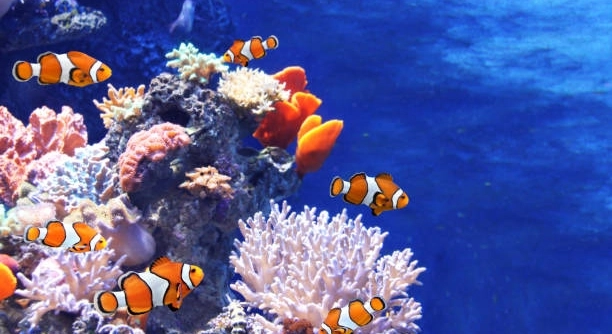
Is your clownfish constantly pacing back and forth in its tank? This behavior can be puzzling and may cause concern for many aquarium enthusiasts. Understanding why your clownfish acts this way can help improve its environment and well-being.
Clownfish pacing is often a sign of stress or discomfort caused by factors such as inadequate tank size, poor water quality, lack of hiding spaces, or territorial behavior. Addressing these conditions can reduce pacing and promote a healthier habitat.
Recognizing the reasons behind this pacing can lead to better care and a more peaceful aquarium environment for your clownfish.
Common Causes of Clownfish Pacing
Clownfish often pace because they are stressed or uncomfortable in their tank environment. One major cause is a tank that is too small, which limits their ability to swim freely. Poor water quality can also lead to pacing, as it affects their health and behavior. Without enough places to hide or feel safe, clownfish can become anxious, leading to constant movement. Territorial instincts also play a role; clownfish may pace when they feel threatened by other fish or changes in their surroundings. Temperature fluctuations and improper lighting can add to their discomfort. Regularly checking water parameters and ensuring the tank setup mimics their natural habitat can reduce pacing. Sometimes, simple changes like adding live rock or plants create hiding spots that calm the fish. Keeping a consistent routine for feeding and tank maintenance also helps clownfish feel secure and less likely to pace nervously.
Creating a stable, comfortable tank environment is essential to reduce pacing behavior.
Adjusting tank conditions and adding hiding spaces can quickly improve your clownfish’s comfort level. These changes make a noticeable difference in their behavior and overall health, helping them feel safe and less restless.
How to Improve Your Clownfish’s Tank Environment
Start by ensuring the tank is large enough to allow free swimming—at least 20 gallons is recommended for one or two clownfish. Check water quality regularly, paying close attention to ammonia, nitrite, and nitrate levels, as poor water quality causes stress. Add plenty of hiding spots using live rock, coral decorations, or artificial plants. These provide security and reduce pacing caused by anxiety. Maintain stable water temperature between 74-79°F and use a timer for lighting to keep a natural day-night cycle. Avoid overcrowding the tank, as too many fish can increase territorial behavior and stress. Feeding a balanced diet at consistent times also supports health and calmness. Regular cleaning and water changes prevent buildup of harmful substances. With these steps, your clownfish will feel more at home, leading to less pacing and a happier fish overall.
Stress Factors Affecting Clownfish Behavior
Stress is a key reason clownfish pace in their tanks. It can come from many sources, including sudden changes in the tank environment or aggressive tank mates. Stress affects their health and can lead to constant movement as they try to cope with discomfort.
Changes like poor water quality, loud noises, or inconsistent feeding schedules add to stress levels. Clownfish are sensitive to shifts in their surroundings and need a stable environment. Overcrowding the tank or introducing new fish without a proper quarantine can increase tension and cause pacing. Recognizing these stress factors early allows you to act quickly, reducing negative effects on your fish’s behavior.
Reducing stress involves maintaining consistent tank conditions and avoiding sudden changes. Providing a calm environment with plenty of hiding spots and peaceful companions helps your clownfish feel secure. Regular monitoring and gentle handling will also keep stress levels low and improve overall well-being.
The Role of Territory in Clownfish Pacing
Clownfish naturally defend their territory, which often leads to pacing as they patrol their space. This behavior is a way to establish control and signal ownership to other fish.
When the tank is too small or has too many inhabitants, territorial behavior increases, causing more frequent pacing. The fish may react to perceived threats or competition, especially if other species invade their area. Providing enough room and visual barriers helps reduce territorial disputes. Creating distinct spaces in the tank can minimize overlap and stress, leading to calmer behavior.
Understanding territorial instincts is important when choosing tank mates and arranging the aquarium. Clownfish do best with compatible species that do not challenge their space aggressively. Thoughtful tank design and careful selection of companions promote harmony and reduce pacing caused by territorial tension.
Signs That Your Clownfish Is Uncomfortable
Pacing is just one sign that a clownfish is uncomfortable. Other signs include hiding constantly, loss of appetite, or sudden changes in color. These behaviors often indicate stress or illness.
Watching for these signs helps catch problems early. Early intervention improves your fish’s chance of recovery and comfort.
Improving Tank Conditions for Clownfish
Maintaining proper water quality is essential for clownfish health. Regular water changes, testing for ammonia, nitrites, and nitrates, and keeping stable temperature and pH levels create a balanced environment. Adding live plants or coral provides shelter and reduces stress. Proper filtration and avoiding overfeeding prevent water contamination. A well-maintained tank promotes natural behavior and reduces pacing caused by discomfort or poor conditions.
Feeding Habits Affect Behavior
Uneven or insufficient feeding can stress clownfish, contributing to pacing and agitation. Consistent feeding routines with balanced nutrition support calm behavior.
FAQ
Why does my clownfish keep pacing back and forth?
Pacing usually indicates stress or discomfort. It can result from an unsuitable tank size, poor water conditions, or lack of hiding spots. Territorial instincts or aggressive tank mates may also cause this behavior. Identifying and addressing these issues often reduces pacing.
How can I tell if pacing is normal or a sign of a problem?
Occasional pacing can be normal, especially if your clownfish is exploring. However, constant pacing combined with other signs like hiding, loss of appetite, or color changes usually signals stress or illness. Monitoring these behaviors helps determine when action is needed.
What tank size is appropriate for clownfish?
A minimum of 20 gallons is recommended for one or two clownfish. Larger tanks reduce territorial stress and provide more space for swimming and hiding, which helps reduce pacing.
Can tank mates cause my clownfish to pace?
Yes, aggressive or territorial tank mates can stress clownfish, causing them to pace. Choosing peaceful, compatible fish and avoiding overcrowding helps create a calm environment.
How often should I test and change the water?
Test water weekly for ammonia, nitrites, nitrates, pH, and temperature. Partial water changes of 10-20% weekly or biweekly maintain water quality and reduce stress on your clownfish.
What are good hiding places for clownfish?
Live rock, coral structures, and artificial plants provide shelter and security. These hiding spots reduce anxiety and territorial disputes, helping calm your clownfish.
Does feeding affect pacing behavior?
Yes, inconsistent or insufficient feeding can stress clownfish. Feeding a balanced diet at regular times supports their health and calmness. Avoid overfeeding to prevent water pollution.
Can lighting influence my clownfish’s pacing?
Yes, improper lighting or sudden changes in light can disturb their natural rhythm, causing stress. Using a timer to maintain a consistent day-night cycle supports normal behavior.
How can I reduce territorial behavior?
Providing enough space, hiding spots, and peaceful tank mates lowers territorial disputes. Avoid overcrowding and rearrange decorations occasionally to disrupt established territories gently.
When should I consult a veterinarian?
If pacing is accompanied by signs of illness like lethargy, fin damage, unusual spots, or loss of appetite, a vet visit is recommended. Early diagnosis and treatment improve your clownfish’s chances of recovery.
Can stress cause long-term health problems in clownfish?
Yes, chronic stress weakens the immune system and can lead to disease, poor growth, and shortened lifespan. Reducing stress through proper care is essential for your fish’s well-being.
Is it normal for clownfish to be territorial in community tanks?
Clownfish are naturally territorial, but well-planned community tanks with enough space and compatible species minimize conflicts and pacing related to territory defense.
What should I avoid to keep my clownfish calm?
Avoid overcrowding, sudden environmental changes, aggressive tank mates, and poor water conditions. Keeping a consistent routine and environment supports calm behavior and reduces pacing.
Clownfish pacing is a common behavior that often signals something is off in their environment. It is usually a way for the fish to show stress, discomfort, or territorial behavior. By paying attention to this pacing, you can identify issues that may be affecting your clownfish’s well-being. Many factors, such as tank size, water quality, and the presence of hiding spots, influence how comfortable your clownfish feels. When these needs are met, pacing tends to decrease, and your fish can display more natural and relaxed behaviors.
Creating a proper environment is the most important step to reduce pacing. This includes having a tank that offers enough space for swimming and establishing territories. Clean, stable water conditions with the right temperature and pH levels are also key to keeping your clownfish healthy and stress-free. Providing hiding places like live rock or coral helps your fish feel safe and less anxious. Choosing peaceful tank mates and maintaining a calm atmosphere reduces stress from competition or aggression. Regular feeding routines with balanced nutrition support both physical health and calm behavior. Paying attention to these details creates a habitat where your clownfish can thrive without pacing excessively.
It is also important to observe your clownfish regularly and respond to any changes in behavior. While some pacing can be normal, excessive or constant movement may point to a problem. If you notice signs like loss of appetite, hiding, or changes in color, it is time to take action. This could mean adjusting tank conditions or seeking advice from a veterinarian if illness is suspected. Taking care of your clownfish in a thoughtful and consistent way helps ensure they live a healthy, comfortable life. With the right care, pacing will lessen, and your clownfish will be a peaceful and enjoyable addition to your aquarium.

Hello,
If you enjoy the content that we create, please consider saying a "Thank You!" by leaving a tip.
Every little bit helps us continue crafting quality advice that supports the health, happiness, and well-being of pets around the world, for pets of all shapes, sizes, and species.
We really appreciate the kindness and support that you show us!