
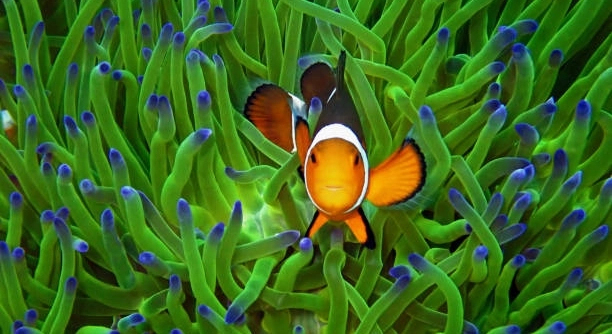
Clownfish are popular marine creatures known for their bright colors and lively behavior. They often live in coral reefs and are admired by many for their playful appearance and unique relationship with sea anemones. Their daily activities are interesting to observe.
When clownfish are bored, they engage in swimming around their territory, exploring their environment, or interacting with sea anemones. They may also display social behaviors like chasing each other or cleaning their host anemone. These activities keep them stimulated and active.
Understanding clownfish behavior helps appreciate their needs and natural habits better. Observing these actions reveals more about their well-being in both wild and captive settings.
How Clownfish Stay Active
Clownfish keep themselves busy by swimming continuously around their territory. They explore the coral reef, searching for food and inspecting their surroundings. Their constant movement is important for maintaining their health. They also interact closely with sea anemones, which provide protection and shelter. Clownfish tend to hover near the anemone’s tentacles, sometimes cleaning them or retreating when threatened. When not exploring, clownfish engage with each other by chasing or nipping gently, which helps maintain social bonds. These behaviors prevent boredom by offering mental and physical stimulation. In captivity, providing an environment that encourages natural behavior is essential. Adding rocks, plants, and anemones can replicate their natural habitat. This setup supports their instincts to explore, interact, and hide when necessary. Keeping clownfish active this way helps reduce stress and promotes a healthier life, whether in the ocean or an aquarium.
Their active lifestyle helps prevent boredom and encourages natural behaviors that are essential for survival and well-being.
Providing an environment that supports these activities is crucial for clownfish health. Observing their movement and interactions can reveal much about their state and happiness.
Social Interactions Among Clownfish
Clownfish communicate mainly through body movements and sounds. This helps maintain their social hierarchy within groups.
Clownfish form small social groups with a strict hierarchy led by a dominant female. This social structure controls breeding and behavior within the group. Subordinate clownfish often show submissive actions to avoid conflicts. Communication is subtle but effective, with gestures like head shaking or body posturing signaling dominance or submission. These interactions keep the group stable and reduce aggression. In the absence of natural partners, clownfish may display repetitive or restless behaviors, indicating boredom or stress. Proper social groupings in captivity can prevent these issues. Understanding their social behavior helps in creating balanced environments where clownfish can thrive. This knowledge supports both breeders and hobbyists in maintaining healthier, more active fish populations that reflect their natural lives.
Proper social conditions are vital for their overall health and activity levels.
Signs of Boredom in Clownfish
Clownfish showing signs of boredom may swim aimlessly or hide excessively. They might lose interest in usual activities or appear lethargic. These behaviors can indicate stress or a lack of stimulation.
When clownfish become bored, they may stop exploring or interacting with their environment. In captivity, this often happens if their tank lacks enough hiding spots, plants, or companions. Without proper mental and physical stimulation, clownfish can develop repetitive swimming patterns or spend too much time resting. This lack of activity can affect their health and mood, making it important to provide a varied environment. Watching for changes in behavior helps catch boredom early and allows adjustments to their care.
In the wild, clownfish rely on constant interaction with their habitat and other fish. Captive environments must try to mimic this to prevent boredom. Adding toys, live plants, or companion fish encourages natural behaviors. These changes can revive a clownfish’s interest and energy, improving its overall well-being.
How to Keep Clownfish Engaged
Providing a stimulating environment is key to keeping clownfish active. Adding hiding spots and live plants creates an engaging habitat. Introducing compatible fish companions can promote social interaction and reduce loneliness.
Environmental enrichment helps clownfish maintain their natural instincts. Objects like coral decorations and anemones give them places to explore and hide, which mimics their natural reef environment. Regular changes in tank setup or adding new elements can also keep their surroundings interesting. Feeding them a varied diet and offering occasional live food encourages natural hunting behavior. Interaction with other species in a peaceful community tank helps fulfill their social needs. These efforts prevent boredom and improve the fish’s health. Observing their activity levels after changes ensures the environment remains suitable and engaging for them.
The Role of Sea Anemones
Sea anemones provide shelter and protection for clownfish. Their stinging tentacles deter predators, making the anemone a safe home.
Clownfish and sea anemones have a symbiotic relationship. The clownfish cleans the anemone by removing parasites and debris. In return, the anemone offers protection and a place for the clownfish to lay eggs. This partnership helps keep both species healthy and safe in their environment.
Clownfish and Their Environment
Clownfish depend heavily on coral reefs for food and shelter. Changes in the reef can affect their behavior and well-being.
The Importance of Mental Stimulation
Mental stimulation helps clownfish stay alert and healthy. Without it, they may become inactive or stressed.
How do clownfish entertain themselves?
Clownfish entertain themselves mainly by exploring their surroundings. They swim around the reef or tank, investigate crevices, and interact with their environment. They also engage with their host anemone by swimming through its tentacles or cleaning it. Social interactions with other clownfish are common, such as chasing or gentle nipping, which keeps them mentally and physically active.
Can clownfish get bored in a home aquarium?
Yes, clownfish can experience boredom in captivity if their environment is too simple or lacks stimulation. Without enough places to explore or companions to interact with, clownfish may become lethargic or develop repetitive behaviors. Providing a varied habitat with hiding spots, live plants, and tank mates helps prevent boredom and keeps them healthier.
What are signs that a clownfish is bored or stressed?
Signs of boredom or stress include swimming aimlessly without direction, hiding excessively, or showing little interest in food and usual activities. They may also exhibit repetitive movements, such as swimming back and forth in the same pattern. Lethargy and color fading can also indicate stress or poor well-being.
How can I improve my clownfish’s environment to prevent boredom?
Adding natural decorations like live rock, coral, or plants creates hiding spots and exploration areas. Introducing a compatible companion fish encourages social behavior. Feeding a varied diet and offering occasional live food helps stimulate natural hunting instincts. Regularly changing tank decorations slightly can renew interest and keep their environment engaging.
Do clownfish need other fish to be happy?
Clownfish are social creatures that often live in small groups in the wild. Having tank mates, especially other peaceful species or other clownfish (if the tank size allows), can improve their social life and reduce boredom. However, careful selection is necessary to avoid aggression or stress from incompatible species.
What role does the sea anemone play in clownfish behavior?
Sea anemones provide both shelter and protection. Clownfish rely on their stinging tentacles as a safe haven from predators. The relationship is mutually beneficial since clownfish also help keep the anemone clean. This close interaction keeps clownfish active and contributes to their overall well-being.
How often should I change the tank setup to keep clownfish interested?
Small changes every few weeks, like rearranging rocks or adding new plants, can maintain interest. Drastic or frequent changes are not recommended, as they may cause stress. The goal is to mimic the natural environment where things constantly evolve without overwhelming the fish.
Can clownfish get lonely if kept alone?
Yes, clownfish can become lonely if isolated for long periods. Lack of social interaction may lead to boredom and stress. Keeping them with other peaceful fish or a compatible clownfish partner supports their social needs and improves their activity levels.
Are there toys or tools designed to stimulate clownfish?
There are no specific toys for clownfish, but tank decorations and live plants serve a similar purpose by creating an interactive environment. Offering live or frozen foods that require hunting can also mentally stimulate them. Regular interaction during feeding time encourages natural behaviors.
Is it normal for clownfish to rest a lot?
Clownfish do rest regularly, often hiding in their anemone or among coral. However, excessive resting or lack of movement may indicate boredom, illness, or stress. Observing their behavior and environment can help determine if more stimulation or care adjustments are needed.
Clownfish are fascinating creatures with behaviors that reflect their natural environment and social needs. Understanding what they do when bored helps improve how we care for them, especially in home aquariums. When given the right conditions, clownfish stay active, explore, and interact with their surroundings. This natural behavior is important for their health and well-being. Providing them with an environment that mimics their natural habitat can reduce stress and prevent boredom.
A key part of keeping clownfish happy is ensuring they have enough stimulation. This can be done by adding hiding spots, live plants, and decorations to their tank. These elements encourage exploration and allow the fish to feel safe. Social interaction is also important. Clownfish often live in groups in the wild, so having companions can help them stay engaged. Feeding them a varied diet and occasionally offering live food can also encourage natural hunting behaviors, which keeps their minds active.
Paying attention to the signs of boredom or stress in clownfish allows owners to make necessary changes to the tank. Signs such as aimless swimming, hiding, or lethargy indicate that the fish need more stimulation or a better environment. Simple adjustments like rearranging the tank setup or adding new companions can make a big difference. Overall, understanding clownfish behavior and needs helps create a healthy and enriching space for these colorful fish to thrive.

Hello,
If you enjoy the content that we create, please consider saying a "Thank You!" by leaving a tip.
Every little bit helps us continue crafting quality advice that supports the health, happiness, and well-being of pets around the world, for pets of all shapes, sizes, and species.
We really appreciate the kindness and support that you show us!