
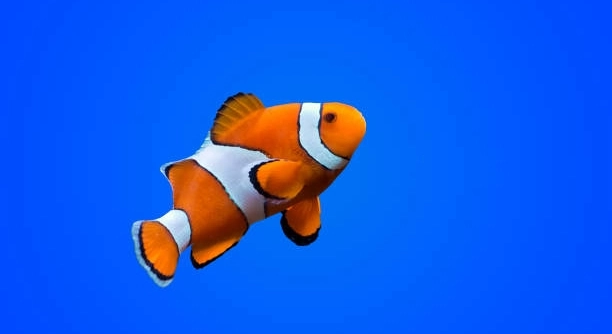
Are your clownfish looking a little stressed despite your efforts to create a balanced and peaceful aquarium environment at home?
Adding certain species or incompatible items to a clownfish tank can disrupt the environment and cause harm. Clownfish thrive best in carefully maintained setups, and introducing unsuitable tank mates, decorations, or foods can negatively impact their health and behavior.
Understanding what to avoid will help you create a healthier, more stable aquarium where your clownfish can thrive without stress or competition.
Avoid Aggressive Tank Mates
Clownfish are peaceful but territorial, especially when they have a host anemone. Adding aggressive species like damsels, dottybacks, or large wrasses can lead to constant fights and stress. These aggressive fish often invade the clownfish’s space, causing them to become withdrawn or defensive. Over time, this can lead to poor health, appetite loss, and injury. It’s best to choose calm species that won’t compete for the same space. Gobies, blennies, and firefish make better companions. Always research each fish’s temperament before introducing them. Quarantine new additions first to reduce the risk of disease or aggressive behavior.
Choose compatible fish that allow your clownfish to establish and maintain their space. A balanced tank environment supports their long-term well-being.
Watching your clownfish interact peacefully with suitable tank mates brings out their natural behaviors and bright personalities. By avoiding conflict, you’re supporting a stable and healthy aquarium environment for them to grow and thrive.
Avoid Strong Water Flow
Clownfish do not like strong, constant water movement. They prefer moderate flow that mimics their natural reef environment. Overpowering currents can exhaust them and prevent them from resting comfortably.
If your tank’s flow is too strong, clownfish may hide more often or hover in one spot where the current is weaker. This behavior signals discomfort. Consider adjusting your powerheads or filters to reduce the turbulence in their preferred swimming zones. You can also use flow diffusers or strategically placed decorations to help block or redirect intense streams of water. Maintaining calmer areas lets clownfish swim, rest, and interact naturally. A gentle, stable flow is ideal for both their comfort and health. Watching their movements helps you understand what adjustments may be necessary. Avoid creating conditions where they need to fight the current constantly, as this can affect their energy levels and stress them over time.
Avoid Overcrowding the Tank
Too many fish in a tank can create stress for clownfish. It limits space, increases waste, and leads to more competition for food and territory, especially in smaller aquariums.
Clownfish need their own space to establish territory and move freely. Overcrowding can lead to territorial aggression, especially between clownfish pairs or toward other species. Ammonia levels can rise quickly in cramped tanks, making it harder to maintain water quality. When clownfish feel constantly threatened or unable to retreat, they may stop eating or develop health issues. To avoid this, follow proper stocking guidelines based on tank size, and factor in each species’ adult size and behavior. Maintaining enough space reduces stress, supports cleaner water, and helps all fish thrive without conflict.
Giving your clownfish enough room supports their natural activity levels and reduces aggression. It also makes cleaning and monitoring water conditions easier, keeping the overall system more stable and balanced.
Avoid Artificial Tank Decorations with Sharp Edges
Clownfish can injure themselves on fake coral, plastic plants, or décor with rough edges. These injuries can lead to infection, stress, or trouble swimming if the fins are damaged.
Soft-edged, aquarium-safe décor is a better choice. Foam rocks, smooth ceramics, and natural live rock allow clownfish to swim and hide safely. Sharp decorations may seem decorative, but they can create serious risks, especially in smaller tanks where clownfish are more likely to brush against them. Avoid items made of cheap plastic or coated materials that may flake off over time. Injuries to fins or skin can go unnoticed until they lead to worse issues, like bacterial infections. Choose quality pieces designed specifically for saltwater tanks. Providing safe structures gives clownfish places to hide, rest, and mark territory without risking harm. Their comfort and safety should always come before style when decorating a clownfish tank.
Avoid Mixing Multiple Clownfish Species
Different clownfish species often do not get along, especially in smaller tanks. Mixing species can lead to constant fighting, dominance issues, and stress. Stick to one species or a bonded pair to keep the tank peaceful.
Aggression between different clownfish types can quickly become a serious problem. Even in larger tanks, territorial disputes may continue.
Avoid Anemones in New or Small Tanks
Anemones may seem like a natural addition, but they’re not always the best choice for beginner tanks or small setups. They require stable water parameters, strong lighting, and careful placement. If not properly cared for, they can move around and sting other tank mates or themselves. Clownfish do not need anemones to thrive. Captive-bred clownfish often ignore them entirely. Introducing one too early or into an unstable tank can cause unnecessary stress for both the anemone and the clownfish. If you do choose to add one, wait until the tank is mature and ensure conditions are ideal. Otherwise, focus on providing safe hiding spots using rocks and soft coral alternatives.
Avoid Overfeeding
Feeding clownfish too often or giving them too much food can cause bloating and foul the water. Stick to small portions once or twice a day, and remove uneaten food.
FAQ
Can I keep more than two clownfish in the same tank?
It’s best to keep only a bonded pair of clownfish in most tanks. Clownfish are territorial and often aggressive toward other clownfish, especially if space is limited. More than two in a tank can lead to serious aggression and injuries. If you attempt to keep more, you’ll need a very large, well-structured tank with hiding spots and careful observation. Even then, success is not guaranteed. Most hobbyists find it safer to stick with one pair to avoid unnecessary stress and conflict.
Do clownfish need an anemone to survive?
No, clownfish do not need an anemone to survive in a home aquarium. While they form natural symbiotic relationships with anemones in the wild, captive-bred clownfish are not always interested in hosting. They will often adopt soft corals, rocks, or decorations as their home. Anemones require strong lighting, stable parameters, and experienced care. Unless your tank is mature and fully established, it’s safer to skip the anemone. Your clownfish will still thrive without one, as long as they have safe shelter and a stress-free environment.
What tank size is best for clownfish?
A minimum of 20 gallons is recommended for a pair of clownfish. Smaller tanks can lead to water quality problems and territorial disputes. A larger tank allows better space for movement, tank mates, and stable parameters. If you plan to keep other fish or corals, consider 30 gallons or more. It’s always easier to maintain water quality in a larger system. Clownfish are active and social, so giving them plenty of room helps them stay healthy and display natural behavior.
Why is my clownfish hiding all the time?
Constant hiding can mean your clownfish is stressed. Common causes include aggressive tank mates, poor water quality, or too much current. New fish may hide while adjusting, but if it continues, check tank conditions carefully. Make sure they have enough shelter, like rock caves or coral spaces, and that no other fish are chasing them. Avoid adding decorations with sharp edges or placing them too close to high-flow areas. A peaceful tank setup encourages your clownfish to be more active and social.
How can I tell if my clownfish is sick?
Look for signs like white spots, cloudy eyes, torn fins, loss of appetite, or unusual swimming. These could signal issues like ich, bacterial infections, or parasites. Monitor water quality, as poor conditions often trigger illness. Quarantine new fish before adding them to the tank, and act quickly if symptoms appear. Treating early gives your clownfish a better chance at recovery. Also, avoid overfeeding or overcrowding, as both can weaken their immune system and increase disease risk.
What foods should I avoid feeding clownfish?
Avoid feeding clownfish anything too large, oily, or low in nutrition. Stay away from land-based meats like beef heart and unsoaked dry pellets that expand in the stomach. Also avoid expired or moldy frozen food. Instead, offer a mix of high-quality marine flakes, pellets, and frozen foods like mysis shrimp or brine shrimp. Feeding in small portions helps prevent water issues and bloating. A varied, balanced diet keeps your clownfish healthy and active.
Can I use tap water for my clownfish tank?
It’s not safe to use untreated tap water. Tap water contains chlorine, chloramines, and sometimes heavy metals that can harm marine life. Always use a water conditioner or, preferably, reverse osmosis deionized (RO/DI) water for saltwater tanks. RO/DI water gives better control over water parameters and reduces the risk of algae, toxins, or fluctuations that stress fish. It may take extra time, but clean water is essential for a healthy saltwater system.
What lighting is best for a clownfish tank?
Clownfish don’t need intense lighting unless you’re keeping corals or anemones. A standard reef-safe LED light works well. Choose lighting that supports plant or coral growth if you plan to keep them. Avoid overly bright or inconsistent lighting, which can stress fish. Use a timer to maintain a regular light schedule—usually 8 to 10 hours per day. Keeping the lights consistent helps your clownfish stay active during the day and rest at night.
Final Thoughts
Keeping clownfish healthy starts with understanding what not to add to their environment. While they are hardy and adapt well to captivity, they still need the right conditions to stay safe and stress-free. Adding aggressive tank mates, strong currents, or overcrowding the tank can all lead to long-term problems. Even items like sharp decorations or unnecessary anemones can cause more harm than good. Many of these mistakes come from good intentions, but taking the time to plan each step of your tank setup can make a big difference. Clownfish do best in calm, stable environments with space to swim, hide, and interact without pressure.
Many new aquarium owners feel pressure to make their tank look full or exciting right away. But with clownfish, less is often better. Avoiding certain additions is not about limiting the setup—it’s about keeping it simple and safe. Proper spacing, soft décor, and compatible tank mates allow clownfish to behave naturally. These small choices help prevent stress, disease, and territorial issues. Watching them thrive in a well-managed tank is more rewarding than trying to add too many features too quickly. Clownfish are active, social fish, and when given the right environment, they show bright colors, playful swimming, and stable routines that make them enjoyable to observe.
A successful clownfish tank comes from patience and awareness. Always research new fish, plants, or equipment before adding anything to the system. Pay attention to your clownfish’s behavior—hiding, aggression, or changes in appetite can often be signs that something isn’t right. Regular maintenance, balanced feeding, and thoughtful tank design will support their health in the long term. Avoiding common mistakes means fewer problems later and a more peaceful aquarium overall. With time and care, your clownfish can live comfortably in a tank that supports their natural habits without unnecessary stress or risk. Keeping things simple and consistent is often the best approach when caring for these unique and beautiful fish.

Hello,
If you enjoy the content that we create, please consider saying a "Thank You!" by leaving a tip.
Every little bit helps us continue crafting quality advice that supports the health, happiness, and well-being of pets around the world, for pets of all shapes, sizes, and species.
We really appreciate the kindness and support that you show us!