
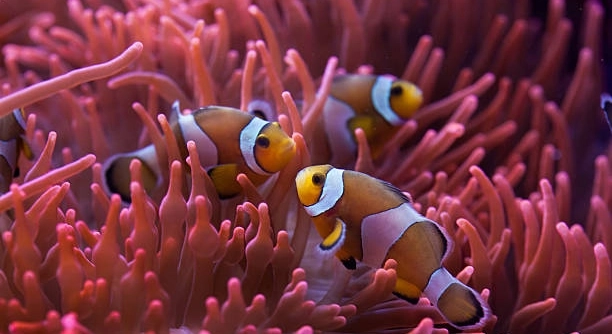
Clownfish are well-known for their bright colors and unique relationship with sea anemones. Many people find these small fish fascinating and wonder if they show different behaviors. Understanding clownfish behavior helps in appreciating their role in marine ecosystems.
Clownfish do exhibit individual differences in behavior that can be considered personality traits. Research shows variations in boldness, aggression, and social interaction among clownfish, indicating distinct behavioral patterns within the species.
Exploring these behavioral traits offers insight into how clownfish interact and adapt in their environment. The following information sheds light on what makes each clownfish unique beyond its appearance.
Understanding Clownfish Behavior Patterns
Clownfish display a variety of behaviors that set them apart from one another. Some are more outgoing and bold, while others tend to be shy or cautious. These differences are often seen in how they respond to threats or explore new areas. For example, bolder clownfish may swim closer to divers or other fish, while shy ones keep to safer spots within the sea anemone. Clownfish also have clear social roles within their groups, such as dominant females, which show more assertive behavior. These patterns are important for maintaining the structure of their small communities and for their survival. Studying these traits helps scientists understand how animals adapt to their surroundings and interact with each other in a social context.
Behavior differences in clownfish can affect their survival and reproduction success in the wild.
Individual personalities influence how clownfish compete for resources, protect their homes, and form social bonds. These traits are not random but show consistent behavior over time. For example, a more aggressive clownfish may defend its territory fiercely, while a less aggressive one might avoid conflicts. These personality traits impact the group dynamics and help maintain balance within the community. The combination of boldness, aggression, and sociability helps clownfish respond to environmental changes effectively. Understanding these behavioral traits can improve aquarium care and conservation efforts by tailoring environments to meet the needs of different personalities.
Factors Influencing Clownfish Personalities
Several factors influence the development of clownfish personalities, including genetics, environment, and social interactions.
Genetic makeup plays a significant role in shaping behavior, but the environment also affects how these traits are expressed. Clownfish raised in different conditions may show variations in boldness or aggression. For example, fish in a crowded tank might become more territorial, while those in spacious tanks could behave more calmly. Social hierarchy within groups also impacts individual behavior. Dominant fish often display stronger personalities, which can influence others around them. These factors work together to create the unique behavior patterns seen in clownfish populations.
How Clownfish Communicate
Clownfish use body language and sounds to communicate within their groups. These signals help maintain social order and warn of danger. Communication is subtle but essential for their daily interactions and survival.
Clownfish often wave their fins or change their swimming patterns to send messages. For example, a dominant fish might display aggressive fin movements to assert control. They also make clicking or popping sounds underwater, which can serve as warnings or mating calls. These behaviors help avoid unnecessary fights and coordinate group activities.
Communication also plays a role in clownfish bonding with their host anemones. By signaling distress or comfort, clownfish maintain a safe environment. These interactions ensure that the fish and anemones continue their mutual relationship effectively.
Personality and Clownfish Care
Recognizing personality differences in clownfish can improve how they are cared for in captivity. Understanding their behavior helps create a better environment suited to their needs.
Some clownfish require more space or hiding spots because of their shy nature, while others thrive in more open tanks where they can explore freely. Aggressive individuals might need separation from more timid tank mates to reduce stress. Adjusting feeding routines and tank setups based on personality can improve their well-being and reduce conflicts. This knowledge also assists breeders in selecting pairs with compatible traits for healthier offspring. Paying attention to individual behavior ensures clownfish live longer, healthier lives in captivity.
Impact of Environment on Personality
The environment plays a crucial role in shaping clownfish behavior. Changes in habitat conditions can alter their activity levels and social interactions.
Stressful or crowded environments may cause clownfish to become more aggressive or withdrawn. A stable and comfortable habitat encourages natural behaviors and reduces conflicts.
Observing Personality in Clownfish
Personality traits in clownfish become more noticeable over time through consistent behaviors. Watching their reactions to new situations reveals differences in boldness and curiosity. This helps identify individual traits that influence group dynamics and survival strategies.
Importance of Social Structure
Clownfish rely on clear social hierarchies to maintain peace and order within their groups. Dominant and subordinate roles reduce conflicts and support cooperative living.
Personality and Adaptation
Individual personality traits contribute to how clownfish adapt to environmental challenges, improving their chances of survival.
FAQ
Do clownfish really have personalities?
Yes, clownfish show distinct personalities. Some are bolder and more aggressive, while others are shy and cautious. These traits affect how they interact with each other and their environment. Scientists observe these behaviors consistently over time, proving that clownfish can have individual differences in temperament.
How can you tell if a clownfish is shy or bold?
A bold clownfish will explore its surroundings more freely, swim closer to other fish or humans, and respond quickly to changes. Shy clownfish tend to stay hidden, avoid open spaces, and retreat when approached. Observing their behavior in different situations reveals these personality differences clearly.
Does personality affect clownfish health?
Personality can influence stress levels and overall health. Aggressive or bold clownfish may face more conflicts, which can cause injury or stress. Shy fish might hide more, potentially missing food or social interaction. Knowing their personalities helps create a suitable environment to keep them healthy.
Can clownfish personalities change over time?
While some behaviors are consistent, personality can be influenced by environment and social conditions. For example, a shy fish might become bolder in a calm tank, or an aggressive fish may calm down if given enough space. However, core traits tend to remain stable.
Do clownfish personalities affect breeding?
Yes, personality traits can influence mating success. Dominant or bold clownfish often control breeding rights in their groups. Pairs with compatible behaviors tend to have better reproductive success. Understanding these traits helps breeders manage breeding pairs effectively.
How does social hierarchy impact clownfish behavior?
Social hierarchy defines roles such as dominant females and subordinate males. Dominant individuals show more assertive behavior, while subordinates are more passive. This order reduces fights and organizes group life efficiently. Personalities often align with these roles, maintaining stability.
Are clownfish personalities unique to each individual?
Yes, each clownfish has a unique combination of traits. While some behaviors are common in the species, individual fish show variations in boldness, aggression, and social interaction. This individuality makes studying their behavior interesting and important for conservation.
Can knowing clownfish personalities help in aquarium care?
Absolutely. Recognizing personalities helps tailor tank conditions to reduce stress and aggression. Providing hiding spots for shy fish or enough space for dominant ones creates a peaceful environment. It also helps in selecting compatible tank mates, improving overall health and behavior.
Do clownfish personalities affect their relationship with anemones?
Yes, bolder clownfish might explore more and interact actively with their host anemones, while shy ones stay closer to safe spots. Their behavior influences how well they maintain this mutual relationship, which is vital for their protection and survival.
Is it possible to train clownfish based on their personalities?
Clownfish can learn simple patterns, like feeding times, but training is limited. Their personalities might affect how quickly they adapt to routines. Bold individuals may be quicker to approach and learn, while shy ones take more time and need gentle handling.
Clownfish are more than just colorful fish living among sea anemones. They show distinct behaviors that can be described as personalities. Some are naturally bold, exploring their surroundings and standing out, while others are quieter and more cautious. These differences are important because they affect how clownfish interact with each other and their environment. Recognizing that clownfish have personalities helps us better understand their needs and behavior, whether in the wild or in captivity.
Understanding clownfish personalities is useful for both researchers and aquarium keepers. Knowing which fish are more aggressive or shy allows for better care and management. For example, shy clownfish need places to hide and less competition, while bolder fish may require more space to feel comfortable. In group settings, personality differences affect social order and survival. Dominant fish often take leadership roles, while others adapt to more submissive positions. These social structures help maintain peace and cooperation in their small communities.
Personality also plays a role in how clownfish respond to changes in their environment. Fish that are bolder may be quicker to explore new spaces or food sources, while shy individuals may avoid risks. This variety of behavior within a group can be a strength, helping the species survive in different situations. By paying attention to these traits, people caring for clownfish can create healthier, more natural living conditions. This understanding also supports conservation efforts, ensuring clownfish continue to thrive in their natural habitats.

Hello,
If you enjoy the content that we create, please consider saying a "Thank You!" by leaving a tip.
Every little bit helps us continue crafting quality advice that supports the health, happiness, and well-being of pets around the world, for pets of all shapes, sizes, and species.
We really appreciate the kindness and support that you show us!