
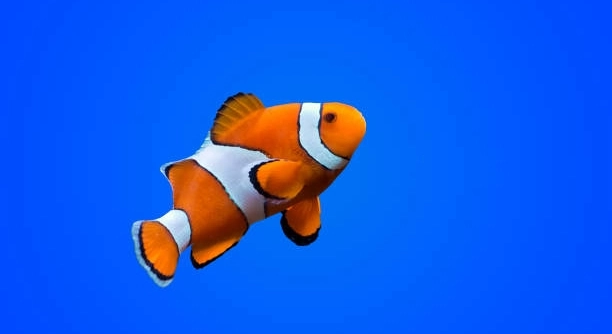
Many clownfish owners notice their fish suddenly avoiding their usual spots. Changes in behavior can be confusing and worrying for those who care about their aquatic pets. Understanding why this happens can help keep clownfish healthy and comfortable.
Clownfish may start avoiding their area due to stress, changes in water quality, illness, or disruptions in their environment. These factors affect their comfort and safety, leading them to seek different locations within the tank or hide more frequently.
Learning about these reasons can improve your clownfish’s well-being and help you maintain a peaceful aquarium environment. The following information will guide you through the common causes and solutions.
Common Causes of Avoidance Behavior in Clownfish
Clownfish may start avoiding their usual area for several reasons. Stress is one of the most frequent causes, often triggered by changes in the tank such as new fish, decorations, or lighting. Poor water quality can also make clownfish uncomfortable, especially if ammonia or nitrate levels rise. Illness or parasites might cause the fish to hide more often or swim less actively. Sometimes, aggressive tank mates can push clownfish to seek quieter spots. Even small changes, like shifting the anemone or cleaning the tank, may disrupt their routine. Observing your fish closely can help identify if the avoidance behavior is temporary or a sign of a bigger problem.
Keeping an eye on water parameters and tank activity helps prevent these issues. Regular testing and gradual changes maintain a stable environment for your clownfish.
Recognizing these causes is important because it allows you to act quickly. Stress or poor conditions can affect their health severely. By addressing these factors early, you improve their comfort and reduce the chance of long-term problems.
How Water Quality Affects Clownfish Behavior
Poor water quality is a major reason clownfish avoid their area. Even small fluctuations in temperature, pH, or chemicals can make the environment unpleasant for them.
Maintaining clean water requires frequent testing and water changes. Removing waste and controlling toxins keeps the tank safe. Clownfish are sensitive to ammonia, nitrites, and nitrates, which build up if filters or cleaning are neglected. High levels cause irritation, making fish retreat or hide. Monitoring temperature is also important, as sudden shifts can stress clownfish. Keeping the tank stable and clean creates a comfortable space where your fish feel secure and behave normally. Regular maintenance is key to preventing avoidance behaviors caused by poor water quality.
Changes in Tank Environment
Changes in the tank can cause clownfish to avoid their usual area. New decorations, rearranged plants, or added fish often disrupt their comfort zone.
Clownfish are creatures of habit and prefer familiar surroundings. When their environment changes suddenly, they may feel insecure or threatened. For example, moving their anemone or hiding spots can confuse them. New tank mates might also create stress, especially if they are aggressive or territorial. These disruptions lead clownfish to retreat to less disturbed parts of the tank until they adjust. Being careful with gradual changes can help your clownfish feel more secure and reduce avoidance behavior.
Some changes are unavoidable, such as cleaning or adding new elements. Introducing these slowly and observing your fish’s reaction allows you to notice signs of stress early. Ensuring there are enough hiding places and safe spots gives your clownfish options to explore and settle back comfortably.
Illness and Its Impact on Clownfish Behavior
When clownfish start avoiding their area, illness is a possible cause. Sick fish often become less active and hide to protect themselves.
Common diseases like ich, fin rot, or parasites cause discomfort, making clownfish avoid open spaces. Signs of illness include faded colors, clamped fins, or labored breathing. These symptoms should prompt immediate action. Quarantining sick fish and treating the tank may be necessary to stop the problem from spreading. Early detection and proper care improve recovery chances. Neglecting illness can lead to worsening health and more severe behavior changes.
Preventing illness means maintaining good water quality, avoiding overcrowding, and feeding a balanced diet. Regular observation helps catch problems before they become serious. Keeping a healthy environment supports your clownfish’s immune system, reducing the risk of sickness and helping them stay active and comfortable in their area.
Stress from Tank Mates
Aggressive or territorial fish can stress clownfish, causing them to avoid certain areas. Competition for space or food may push them to hide more often.
Clownfish need peaceful neighbors to feel safe. If tank mates are too dominant, your clownfish may retreat until the situation calms down or changes are made.
The Role of Lighting
Lighting affects clownfish behavior significantly. Bright or flickering lights can make them uncomfortable and lead to avoidance.
Providing consistent, moderate lighting helps clownfish feel secure. Adjusting the light cycle to mimic natural day and night rhythms supports their well-being.
Feeding Habits and Behavior
Irregular feeding schedules or poor diet can impact clownfish activity. Hungry or stressed fish may hide or become less active.
Maintaining a balanced diet with regular feeding times encourages normal behavior and keeps clownfish healthy and confident in their space.
FAQ
Why is my clownfish hiding all the time?
Clownfish may hide frequently due to stress, illness, or changes in their environment. When they feel unsafe, they seek shelter to protect themselves. It could also be a sign of poor water quality or aggressive tank mates. Monitoring water conditions and tank dynamics helps identify the cause.
How do I know if my clownfish is sick?
Signs of illness include faded colors, clamped fins, labored breathing, and unusual swimming patterns. Your clownfish might also stop eating or hide more than usual. If you notice these symptoms, it’s important to test the water and consider treatment to prevent worsening health.
Can new fish cause clownfish to avoid their area?
Yes, adding new fish often causes stress for clownfish. They might feel threatened by unfamiliar tank mates, especially if the newcomers are territorial or aggressive. Introducing new fish slowly and ensuring enough hiding spots helps reduce this stress.
How often should I clean the tank to keep clownfish comfortable?
Regular maintenance is key. Partial water changes every one to two weeks, along with filter cleaning and waste removal, keep water quality high. Clean tanks reduce stress and prevent illness, making clownfish more likely to stay active and in their usual areas.
What water parameters are best for clownfish?
Ideal conditions include a temperature between 74°F and 79°F, pH around 8.1 to 8.4, and low ammonia, nitrite, and nitrate levels. Stable salinity and good oxygenation also matter. Keeping these parameters consistent prevents stress and promotes healthy behavior.
Can lighting affect where clownfish spend their time?
Yes, bright or inconsistent lighting can make clownfish uncomfortable. They prefer moderate, stable light that mimics natural day and night cycles. Adjusting lighting helps create a comfortable environment, encouraging normal activity and reducing hiding.
What diet helps clownfish feel their best?
A varied diet with high-quality flakes, pellets, and occasional frozen or live foods supports clownfish health. Feeding small amounts two to three times daily keeps them nourished and active. Balanced nutrition improves their immune system and overall behavior.
Is it normal for clownfish to change behavior when stressed?
Yes, stressed clownfish often hide, swim erratically, or lose appetite. These changes are signals that something in their environment needs attention. Identifying and fixing the cause of stress helps restore their normal behavior.
How long does it take for clownfish to adjust to a new tank?
Adjustment can take days to weeks. During this time, clownfish might hide more or avoid familiar spots. Providing hiding places and stable conditions speeds up their comfort and acceptance of the new environment.
What should I do if my clownfish keeps avoiding its area despite good conditions?
If conditions are stable but avoidance continues, check for subtle factors like aggressive neighbors or minor illness. Sometimes small changes in routine or environment affect behavior. Consulting a specialist or experienced aquarist can help identify hidden issues.
Understanding why your clownfish starts avoiding its usual area can be helpful for maintaining a healthy aquarium. Changes in behavior often signal that something in their environment is not quite right. Whether it is stress from tank mates, poor water quality, illness, or changes in the tank setup, recognizing these signs early gives you a chance to address the problem before it worsens. Paying close attention to your clownfish’s habits and environment allows you to provide better care and create a more comfortable home for your fish.
Keeping water quality stable is one of the most important things you can do. Regular testing and water changes prevent harmful buildup of toxins that can make clownfish uncomfortable or sick. Along with clean water, maintaining a peaceful tank environment helps reduce stress. Introducing new fish slowly and making changes gradually allows clownfish time to adjust. Providing plenty of hiding spots also gives them safe places to retreat when they feel uneasy. When illness is suspected, it’s important to act quickly by isolating the affected fish and treating the tank if needed. Early attention can help your clownfish recover faster.
Feeding your clownfish a balanced diet on a consistent schedule supports their overall health and activity. Proper nutrition strengthens their immune system and encourages natural behaviors. Lighting and temperature should also be monitored to ensure they mimic natural conditions as closely as possible. Each of these factors—water quality, tank environment, diet, and lighting—works together to create a stable space where your clownfish can thrive. By observing your fish and maintaining good care practices, you can reduce avoidance behaviors and enjoy a lively, healthy aquarium.

Hello,
If you enjoy the content that we create, please consider saying a "Thank You!" by leaving a tip.
Every little bit helps us continue crafting quality advice that supports the health, happiness, and well-being of pets around the world, for pets of all shapes, sizes, and species.
We really appreciate the kindness and support that you show us!