
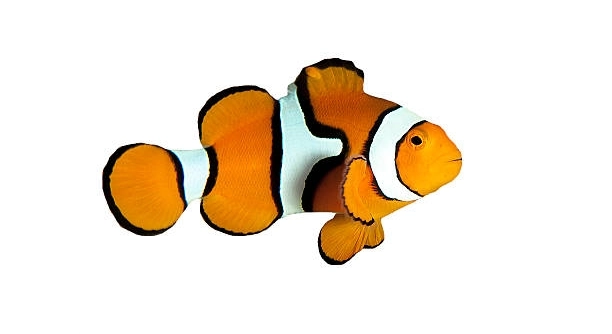
Keeping clownfish healthy takes more than just a tank and water. Many tank owners unknowingly develop habits that stress these delicate fish. Small mistakes in care can cause big problems over time.
Seven common bad tank habits can negatively affect clownfish health and behavior. These include improper feeding, poor water quality, inadequate tank size, lack of hiding spots, overstocking, inconsistent maintenance, and neglecting tank mates’ compatibility. Avoiding these helps maintain a stable environment.
Recognizing these habits early can make a big difference in your clownfish’s wellbeing. This article will explain what to watch for and how to improve your tank care.
Overfeeding the Clownfish
Overfeeding is a common mistake that many tank owners make without realizing the harm it causes. Clownfish need only small amounts of food, and giving too much can pollute the water quickly. Excess food breaks down and produces waste, leading to harmful spikes in ammonia and nitrates. This affects water quality and stresses the fish. Overfeeding also causes obesity and digestive problems in clownfish, which can weaken their immune systems. It’s best to feed small portions once or twice daily, only what the fish can eat in a few minutes. Using high-quality food designed for marine fish helps provide the right nutrition without excess fillers. Monitoring your clownfish’s eating habits and adjusting portions based on their activity and tank size will keep them healthy and prevent unnecessary water contamination.
Controlling feeding amounts helps maintain cleaner water and healthier clownfish over time.
Careful feeding reduces health risks and keeps the tank environment stable. It also lessens the frequency of water changes, saving time and effort. By avoiding overfeeding, you create a more balanced habitat where clownfish thrive naturally.
Poor Water Quality
Poor water quality is one of the biggest challenges in keeping clownfish healthy. Toxic substances like ammonia, nitrites, and nitrates build up quickly without proper filtration and regular water changes. These chemicals irritate the fish’s skin and gills, leading to illness and even death. Maintaining stable water parameters is essential for clownfish survival. Ideal temperature, salinity, and pH levels should be checked often using reliable test kits. Filtration systems must be cleaned and functioning properly to remove waste effectively. Neglecting these steps causes stress that weakens clownfish immune systems, making them vulnerable to disease. It is also important to avoid overcrowding, as more fish produce more waste, increasing the risk of poor water conditions.
Testing water weekly and performing partial water changes keeps the tank environment safe and healthy for clownfish.
In addition to routine testing and cleaning, investing in a quality protein skimmer helps remove organic waste before it breaks down. Adding live rock and beneficial bacteria supports natural biological filtration, which stabilizes water chemistry. Avoid using harsh chemicals or over-cleaning the tank, as this can disrupt the delicate balance. Consistent maintenance and proper equipment ensure clownfish remain comfortable and disease-free. Keeping water quality high improves their coloration, activity, and overall wellbeing, making your tank a better place for them to live.
Inadequate Tank Size
Clownfish need enough space to swim and establish territory. Small tanks limit their movement and increase stress.
A tank that is too small causes rapid buildup of waste and unstable water conditions, which harm clownfish health. They also become territorial and aggressive in cramped spaces. A minimum of 20 gallons is recommended for a pair, with larger tanks better for community setups. Proper tank size supports their natural behavior and reduces stress-related illnesses.
Choosing the right tank size improves water stability and gives clownfish room to thrive. It also allows for better filtration and easier maintenance. Overcrowding should be avoided to prevent competition and injury.
Lack of Hiding Spots
Clownfish feel safer with places to hide and rest. Open tanks without decorations cause stress.
Hiding spots such as live rock, caves, or anemones provide shelter and reduce anxiety. These structures mimic their natural environment and allow clownfish to escape when threatened. Without safe spaces, clownfish can become timid or aggressive. Providing hiding areas supports natural behaviors and helps them feel secure.
Adding varied decorations creates a more stimulating and peaceful tank. It also encourages healthier social interactions and reduces stress-related illness. Simple additions can make a big difference in clownfish comfort and wellbeing.
Overstocking the Tank
Too many fish in one tank causes competition for food and space. Clownfish may become stressed or aggressive.
Overcrowding increases waste buildup and reduces water quality, harming all tank inhabitants.
Inconsistent Maintenance
Skipping regular tank cleaning and water testing creates unstable conditions. Clownfish are sensitive to sudden changes.
Neglecting routine maintenance allows toxins to accumulate, which weakens fish immune systems and promotes disease. Regular partial water changes and filter cleaning help keep the environment safe. Consistency in care prevents stress and supports clownfish health over time.
Ignoring Tank Mates
Not all fish or invertebrates get along with clownfish. Poor choices can cause stress or injury.
Choosing compatible tank mates is important for a peaceful, healthy aquarium.
FAQ
What happens if I overfeed my clownfish?
Overfeeding clownfish leads to leftover food settling on the tank floor, which breaks down and pollutes the water. This causes spikes in ammonia and nitrates, making the environment toxic. The fish can develop health issues like bloating or swim bladder problems. It also encourages harmful algae growth. Feeding only what they can eat in a few minutes helps avoid these problems and keeps water quality stable.
How often should I change the water in my clownfish tank?
Perform partial water changes of about 10-20% weekly or biweekly depending on tank size and stocking levels. Regular water changes remove waste, toxins, and excess nutrients that build up over time. This helps maintain stable water parameters essential for clownfish health. Avoid large or sudden water changes, as they can shock the fish.
What tank size is best for clownfish?
A minimum of 20 gallons is recommended for one or two clownfish. Larger tanks provide more stable water conditions and space for natural behaviors. Overcrowding stresses clownfish and causes poor water quality, so avoid packing the tank with too many fish or incompatible species.
Do clownfish need hiding spots?
Yes, hiding spots reduce stress by providing shelter and security. Live rock, caves, and anemones mimic their natural environment. Without places to hide, clownfish may become shy or aggressive. Adding these elements improves their comfort and wellbeing.
Can clownfish live with other fish?
Clownfish can live with peaceful, compatible tank mates like gobies, blennies, or certain damselfish. Avoid aggressive or much larger species that may harm clownfish. Research compatibility before adding any new fish to the tank.
How important is water quality for clownfish?
Water quality is critical for clownfish survival. They are sensitive to ammonia, nitrites, nitrates, and sudden changes in pH or temperature. Keeping these parameters stable through proper filtration, testing, and maintenance prevents stress and disease.
Why do clownfish sometimes act aggressive?
Aggression usually happens due to territorial behavior, overcrowding, or lack of hiding spots. Stress or competition for food can also cause aggression. Providing enough space and proper tank conditions reduces this behavior.
What signs show my clownfish is unhealthy?
Look for lethargy, loss of appetite, faded colors, rapid breathing, or visible injuries. These signs may indicate stress or illness. Early detection and addressing tank conditions can improve recovery chances.
Is it necessary to have an anemone for clownfish?
No, clownfish can live without anemones, especially in home tanks. Anemones need special care and lighting. Providing hiding spots like live rock can offer similar benefits for comfort and security.
How do I prevent algae growth in my clownfish tank?
Avoid overfeeding, keep the tank clean, and maintain proper lighting to control algae. Regular water changes and using algae-eating species can also help. Balancing nutrients in the tank prevents excessive algae buildup.
What is the best food for clownfish?
High-quality pellet or flake food designed for marine fish, supplemented with frozen or live foods like brine shrimp or mysis shrimp, provides balanced nutrition. Variety in diet supports health and coloration.
Can stress cause clownfish to lose color?
Yes, stress from poor water quality, overcrowding, or aggressive tank mates can cause clownfish to lose their bright colors. Improving tank conditions and reducing stress helps them regain vibrancy.
How often should I clean the tank filter?
Clean mechanical filter media monthly or as needed to remove debris but avoid washing all filter components at once to preserve beneficial bacteria. Proper filter care ensures efficient waste removal and water clarity.
Why do clownfish hide all the time?
Hiding constantly may indicate stress, illness, or poor tank conditions. Ensure water quality is good, provide adequate hiding places, and check for aggressive tank mates. Addressing these issues can encourage normal behavior.
Is it okay to keep multiple clownfish together?
Keeping a pair is ideal, as clownfish form monogamous bonds. Multiple clownfish may lead to aggression unless the tank is large enough to provide territory for each. Proper tank size and monitoring reduce conflicts.
Clownfish are beautiful and interesting fish to keep, but they require careful care to stay healthy and happy. Many common mistakes in tank maintenance and fish care can cause stress and health problems for clownfish. Overfeeding, poor water quality, and overcrowding are just a few examples of habits that negatively affect them. Understanding these issues and making small changes can greatly improve the environment for your clownfish. By keeping the tank clean, feeding the right amount, and providing enough space and hiding spots, you create a stable home that supports their natural behaviors and wellbeing.
Maintaining good water quality is especially important because clownfish are sensitive to toxins and sudden changes in their environment. Regular water testing and partial water changes help keep ammonia, nitrite, and nitrate levels low. Using proper filtration and avoiding overstocking also contributes to a balanced tank. Providing hiding places such as live rock, caves, or anemones reduces stress by giving clownfish safe spots to retreat. Choosing compatible tank mates prevents aggression and promotes peaceful interactions. When these elements come together, clownfish can thrive, showing bright colors and active behavior.
In the end, caring for clownfish requires attention and consistency, but the rewards are worth the effort. Small habits, like avoiding overfeeding and cleaning the tank regularly, make a big difference in their health. Observing your clownfish and responding to their needs helps prevent problems before they start. With the right care, clownfish can live happily for many years in your aquarium. Paying close attention to their environment and adjusting your habits when necessary ensures a stable, healthy home where these fish can flourish.

Hello,
If you enjoy the content that we create, please consider saying a "Thank You!" by leaving a tip.
Every little bit helps us continue crafting quality advice that supports the health, happiness, and well-being of pets around the world, for pets of all shapes, sizes, and species.
We really appreciate the kindness and support that you show us!