
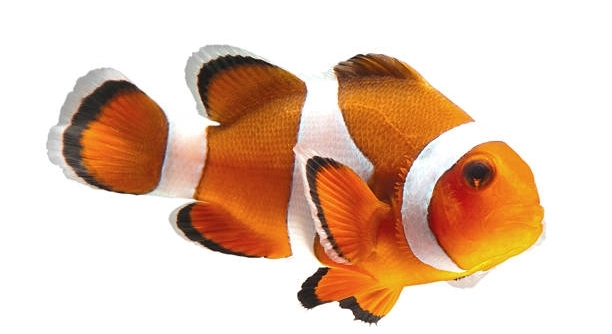
Clownfish are popular aquarium fish known for their bright colors and close relationship with sea anemones. Many people keep them as pets and often feed them regularly. Their behavior around humans raises interesting questions about recognition.
Research shows that clownfish can learn to recognize the person who feeds them through repeated interactions. They use visual and chemical cues to distinguish familiar individuals from strangers, demonstrating a level of social awareness uncommon in many fish species.
This article explores how clownfish identify their feeders and what this means for their behavior in both wild and captive environments.
How Clownfish Recognize Their Feeders
Clownfish rely on their senses to identify who feeds them. Over time, they become familiar with specific people by observing visual details like movement and appearance. Their memory helps them remember these details, so they respond differently to known feeders compared to strangers. Besides sight, clownfish use smell to recognize individuals. Chemical signals in the water allow them to detect who is nearby and whether that person has provided food before. This combination of sight and smell creates a strong recognition system. In aquariums, this is why clownfish often swim toward their regular feeder quickly. They learn to expect food from that person and associate them with a positive experience. This recognition helps clownfish feel more comfortable and less stressed in their environment, making them more active and responsive. It also shows a surprising level of intelligence for fish often seen as simple pets.
Their ability to recognize feeders highlights how animal behavior can be influenced by consistent human interaction.
Understanding this helps improve care and interaction with clownfish, making their lives better in captivity.
Why Recognition Matters for Clownfish Behavior
Recognition plays an important role in how clownfish behave around humans. When clownfish know their feeder, they are less likely to hide and more likely to explore the tank or reef area. This reduces stress, which is important for their health. Clownfish that don’t recognize their feeder may stay hidden or act nervously, which can affect their eating habits and overall well-being. In the wild, recognizing familiar neighbors and other fish helps clownfish stay safe and maintain social order. In captivity, the same principle applies to their relationship with humans. Feeding time becomes a cue that signals safety and care. This interaction can strengthen the bond between fish and keeper, leading to more predictable and easier care routines. Knowing that clownfish can recognize individuals encourages aquarists to maintain consistent feeding practices. It also suggests that animals in general benefit from stable, routine interactions with their caretakers, improving their quality of life.
Feeding Habits Affect Recognition
Clownfish quickly learn who feeds them because feeding happens often and regularly. This routine helps them form clear memories tied to specific people or actions.
Regular feeding schedules create a pattern that clownfish notice and remember. Over time, they associate a particular person’s presence or even hand movements with food. This connection strengthens their recognition abilities. If feeding is inconsistent or done by many different people, clownfish may have trouble identifying a single feeder. Inconsistent feeding can cause stress or confusion, making the fish less likely to respond positively during feeding time. On the other hand, steady routines build trust and calm behavior, improving the fish’s comfort with humans.
The connection between feeding and recognition shows how important routine is for keeping clownfish healthy and engaged in captivity. It also suggests that even simple habits impact their social behavior.
Visual and Chemical Cues in Recognition
Clownfish rely on both sight and smell to recognize their feeder. They notice colors, shapes, and movements to identify a familiar person. Chemical signals in the water also give clues about who is near.
Visual cues help clownfish spot their feeder quickly, especially in an aquarium setting where details like hand gestures become familiar. Chemical cues are equally important, as fish sense tiny molecules in the water to recognize others. These two senses work together, allowing clownfish to form a full picture of their feeder. This combination makes recognition stronger and more reliable. Without one sense, their ability to identify individuals would be less accurate. In captivity, where water quality and clarity are controlled, clownfish can easily use both cues to build recognition.
Understanding how clownfish use these signals helps aquarists create better environments and feeding routines that support natural behavior.
How Consistency Builds Trust
Clownfish respond best when feeding is consistent. They become comfortable and expect food from the same person or routine. This trust reduces stress and encourages natural behavior.
Changing feeders often can confuse clownfish. Consistency helps them recognize individuals and feel safe in their environment.
Impact of Recognition on Clownfish Health
When clownfish recognize their feeder, they are less anxious and more willing to eat. Reduced stress from familiarity supports their immune system and overall health. Stress can lead to illness, so recognition plays a role in keeping them well. A calm, confident fish is a healthier fish.
Social Behavior and Recognition
Clownfish use recognition not only for feeders but also for other fish. Recognizing others helps maintain social order and reduces conflict in their groups.
Recognition Outside Feeding Times
Clownfish remember individuals even when no food is involved. This shows their ability to form lasting memories beyond simple rewards.
FAQ
Can clownfish really tell one person from another?
Yes, clownfish can recognize individual humans, especially those who feed them regularly. They use a mix of visual cues, such as appearance and movement patterns, and chemical signals in the water to distinguish familiar people from strangers. This ability helps reduce stress and builds a positive association with their feeder.
How long does it take for clownfish to recognize a feeder?
Recognition usually develops within a few days to weeks of consistent feeding. The exact time depends on how often feeding occurs and how predictable the routine is. Regular interaction strengthens the fish’s memory, making it easier for them to identify the person who provides food.
Do clownfish recognize their feeders by sight or smell?
Both senses are involved. Clownfish notice visual details like clothing color or hand gestures, and they also rely on chemical cues released by humans or the environment. These combined signals create a clearer identification of their feeder.
Will clownfish react differently to a new feeder?
Often, yes. A new feeder may cause the fish to act cautiously or hide because they don’t recognize the person. Over time, if the new feeder consistently provides food, clownfish can learn to recognize them too, showing the same trusting behavior as with the original feeder.
Does feeding frequency affect recognition?
Yes, consistent feeding at regular intervals helps clownfish form stronger memories of their feeders. Irregular or rare feeding can make it harder for clownfish to recognize who provides food, which might lead to stress or less interaction during feeding times.
Can clownfish remember feeders if they don’t see them for a long time?
Clownfish have good memory for familiar individuals and can remember feeders even after some time apart. However, very long gaps without interaction might weaken this memory, so regular feeding and interaction help maintain recognition.
Is recognition useful for clownfish outside of feeding?
Yes. Recognizing other fish and humans helps clownfish feel safer and maintain social structure. It reduces unnecessary stress and aggression, improving their overall behavior and well-being.
Do wild clownfish recognize humans?
Wild clownfish are less likely to recognize individual humans since they rarely interact closely. Recognition is more common in captive or aquarium environments where feeding is regular and close contact happens often.
Can clownfish recognize other animals besides humans?
Clownfish do recognize other fish and animals in their environment. They use recognition to establish territories and avoid conflict. This social awareness is important for their survival and comfort in their habitat.
Does recognition affect clownfish breeding or mating behavior?
Recognition mainly influences social interactions and stress levels, which indirectly affect breeding success. Calm, well-adjusted clownfish are more likely to breed successfully, so knowing their environment and caretakers helps create better conditions.
What happens if clownfish don’t recognize their feeder?
If clownfish don’t recognize who feeds them, they might become shy or avoid the feeder. This can lead to irregular eating and higher stress, which can harm their health over time. Building recognition through routine feeding is important to prevent this.
Can clownfish recognize their feeder’s voice or sounds?
Clownfish have limited hearing and rely more on visual and chemical cues. They don’t recognize human voices but might respond to vibrations or movement patterns associated with feeding.
Is it possible to train clownfish to recognize multiple people?
Yes, with enough consistent interaction, clownfish can learn to recognize several individuals. However, recognition is strongest with the most regular feeder. Introducing multiple feeders might slow down the learning process but does not prevent it.
How can aquarists help clownfish recognize feeders better?
Feeding at the same times, using consistent movements, and limiting the number of different feeders help clownfish learn faster. Avoid sudden changes in routine or appearance to maintain trust and recognition.
Does the tank environment affect recognition?
A clear, calm environment with good water quality helps clownfish focus and recognize feeders easily. Poor conditions can increase stress and reduce their ability to learn or remember.
Are all clownfish species equally good at recognizing feeders?
Most clownfish species show similar recognition abilities, but individual differences can exist based on personality and environment. Some may be more cautious or shy, affecting how quickly they learn to recognize people.
Can clownfish recognition improve their quality of life?
Yes, recognition reduces stress and encourages natural behaviors, which support overall health. Feeling safe and familiar with their environment and caretakers helps clownfish thrive in captivity.
Clownfish have more complex behavior than many people expect. Their ability to recognize the person who feeds them shows that they are not just simple creatures reacting to instinct. Instead, they use memory and their senses to make connections with their environment. This recognition helps clownfish feel safer and more comfortable, especially in captivity where they interact closely with humans. When a clownfish knows its feeder, it becomes more relaxed and responsive, making feeding time smoother and less stressful for both fish and caretaker. This simple interaction highlights the importance of consistency and routine in caring for these fish.
The way clownfish recognize their feeder involves both sight and smell. They pay attention to visual details like movement and appearance, and also detect chemical signals in the water. This combination makes their recognition more reliable. It is interesting to see how such small fish can remember individuals and respond differently based on who approaches them. This behavior is a good reminder that many animals have forms of intelligence and social awareness that might not be obvious at first glance. Understanding these behaviors can help people provide better care and a healthier environment for their clownfish.
Recognition is important beyond feeding because it influences how clownfish behave and how healthy they remain. Fish that feel secure around their environment and caretakers are less stressed, and lower stress supports a stronger immune system and better overall health. For those who keep clownfish as pets, maintaining a consistent feeding routine and familiar interaction is a simple way to help the fish thrive. This knowledge also opens up more appreciation for clownfish as more than just colorful aquarium animals—they are creatures capable of forming memories and responding to their surroundings in meaningful ways.

Hello,
If you enjoy the content that we create, please consider saying a "Thank You!" by leaving a tip.
Every little bit helps us continue crafting quality advice that supports the health, happiness, and well-being of pets around the world, for pets of all shapes, sizes, and species.
We really appreciate the kindness and support that you show us!