
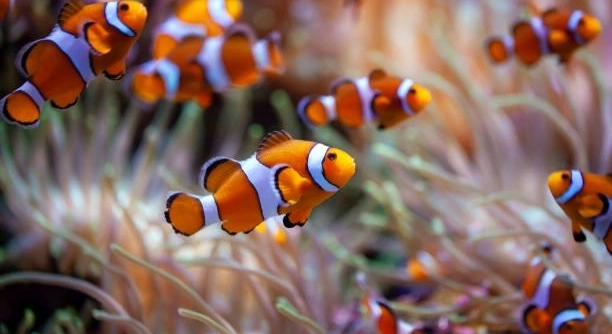
Are you interested in how clownfish behave when kept alone or in pairs? Understanding their social nature can help ensure they live comfortably in home aquariums or natural settings. Clownfish are popular for their bright colors and unique relationships.
Clownfish generally show more peaceful behavior when paired, as their natural social structure encourages bonding and territory sharing. Alone clownfish may exhibit more stress and aggressive tendencies due to lack of companionship and environmental enrichment.
Exploring their social habits will help you create a better environment for your clownfish, promoting healthier and calmer fish overall.
Clownfish Behavior When Alone
Clownfish kept alone often display increased signs of stress compared to those housed in pairs. Without a companion, they may become restless and more territorial, sometimes showing aggression toward their surroundings. This behavior stems from their natural tendency to live in small groups, where social bonds provide security. A single clownfish may feel vulnerable, which can affect its eating habits and overall health. Stress can weaken their immune system, making them prone to illness. In addition, lonely clownfish might spend more time hiding or swimming erratically. Aquarium owners should watch for these signs to ensure their fish remain calm and healthy. Providing environmental enrichment such as hiding spots can help, but it does not replace the benefits of companionship.
Stress in solitary clownfish is a common problem that reduces their well-being and lifespan in captivity.
Understanding this behavior allows better care practices for single clownfish, focusing on reducing stress through environmental changes.
Why Pairing Clownfish Is Beneficial
Pairing clownfish often leads to a more balanced and peaceful tank environment. In their natural habitat, clownfish live in groups with a dominant breeding pair, which helps maintain order and reduces conflicts. When paired, they establish territories and exhibit less aggressive behavior than isolated individuals. This social structure provides emotional security, reducing stress and promoting healthier behaviors such as regular feeding and activity levels. Additionally, pairs often engage in mutual cleaning and protection, improving their overall well-being. However, successful pairing requires monitoring to prevent dominance struggles or territorial disputes. Selecting compatible clownfish and providing adequate space helps maintain harmony. Proper tank conditions, including hiding places and anemones or substitutes, support their natural interactions. Overall, paired clownfish adapt better to captive environments and show more natural, peaceful behavior.
Caring for clownfish in pairs enhances their quality of life and reduces common stress-related issues.
Signs of Stress in Clownfish
Stress in clownfish often shows through changes in behavior and appearance. They might hide more, lose their vibrant color, or eat less. These signs usually indicate that something in their environment or social setting is affecting their well-being.
When clownfish experience stress, they may become more aggressive or lethargic. This can lead to health problems such as weakened immune systems or disease. In solitary clownfish, stress is common due to isolation, but overcrowding can cause similar issues. It’s important to observe their behavior regularly and adjust tank conditions or social groupings to reduce stress.
Proper water quality and stable tank conditions are also essential in minimizing stress. Maintaining a calm environment helps clownfish stay healthy and display their natural peaceful behavior.
Creating a Peaceful Environment for Paired Clownfish
Paired clownfish need enough space to establish territories and avoid conflicts. A tank that is too small can increase aggression between them. Providing hiding spots and visual barriers helps reduce stress by giving each fish a place to retreat.
Water parameters should be stable, including temperature, pH, and salinity, to support their health. A well-maintained tank with clean water reduces the risk of illness and promotes peaceful interaction. Introducing other compatible tank mates cautiously also contributes to a calm environment. By offering a balanced habitat, paired clownfish are more likely to thrive and display natural social behaviors that make caring for them easier.
Selecting Compatible Clownfish
Choosing compatible clownfish is crucial for a peaceful pairing. Different species and temperaments affect how well they get along. Avoid mixing aggressive with shy types to reduce conflict.
Compatibility depends on size and personality. Proper pairing minimizes stress and encourages natural bonding between fish.
The Role of Anemones in Clownfish Peacefulness
Anemones provide shelter and security for clownfish, encouraging calmer behavior. The protective environment helps reduce territorial disputes and stress. Clownfish feel safer and exhibit more natural social interactions when anemones or similar hiding places are present in the tank.
Tank Size Considerations
A larger tank supports better social dynamics among clownfish. It allows space for territories, reducing aggression and stress.
FAQ
Are clownfish happier when kept in pairs?
Yes, clownfish generally show less stress and more natural behavior when kept in pairs. They form social bonds that help reduce aggression and promote calmness. Paired clownfish share territory and often interact positively, which contributes to their overall well-being.
Can clownfish live alone without problems?
Clownfish can survive alone but may experience higher stress levels. Without a companion, they might become more territorial and restless, which can affect their health. Providing hiding places helps, but companionship remains important for their peace of mind.
What signs indicate stress in clownfish?
Signs of stress include loss of color, hiding excessively, reduced appetite, and unusual aggression or lethargy. These behaviors suggest the fish may be uncomfortable with their environment or social situation.
How large should the tank be for paired clownfish?
A tank of at least 30 gallons is recommended for a pair. This size offers enough space for territory and reduces chances of conflict. Larger tanks are better when adding other species or more pairs.
Is it necessary to keep anemones with clownfish?
Anemones are not essential but can improve clownfish comfort by providing shelter. They create a natural environment that supports peaceful interactions. If anemones aren’t kept, suitable decorations or hiding spots should be provided.
How do I choose compatible clownfish to pair?
Select clownfish of similar size and temperament. Avoid mixing aggressive species with more passive ones. Keeping the same species together usually results in better compatibility and less stress.
What water conditions help maintain peaceful clownfish?
Stable water temperature between 75-82°F, pH around 8.1-8.4, and proper salinity are important. Consistent water quality reduces stress and promotes healthy behavior. Regular maintenance is necessary to keep these parameters stable.
Can clownfish pairs fight?
Yes, fights can occur if the tank is too small or if the fish are not compatible. Providing enough space and hiding spots can minimize aggression. Monitor their behavior and separate if necessary to avoid injury.
How long do clownfish typically live in pairs?
With good care, clownfish can live 6-10 years or more. Paired fish often live longer because their social needs are met, which reduces stress and supports health.
Is it better to introduce clownfish to the tank together or separately?
Introducing clownfish together can help establish their bond quickly. If introduced separately, they may show more territorial behavior until they adjust. Adding them at the same time in a well-prepared tank usually leads to better harmony.
When it comes to clownfish, understanding their social needs is important for their well-being. Clownfish tend to be more peaceful and relaxed when kept in pairs rather than alone. Their natural behavior involves forming bonds and sharing territory with one another, which helps reduce stress and aggression. Alone, they may become restless or more territorial, which can affect their health over time. Providing an environment that supports these social behaviors can make a big difference in how peaceful and healthy your clownfish will be.
Creating the right conditions for clownfish involves more than just pairing them. The size of the tank plays a key role in maintaining peace. A larger tank gives each fish enough space to claim its own territory, which helps avoid conflicts. Along with tank size, stable water conditions like temperature, pH, and cleanliness are essential to keep the fish comfortable. Adding hiding spots or even anemones helps clownfish feel secure and further reduces stress. All these factors combined create a calm and natural setting that allows clownfish to thrive peacefully together.
Careful attention to compatibility is also necessary when pairing clownfish. Matching fish of similar size and temperament helps prevent fights and promotes bonding. While most clownfish will benefit from having a partner, not all pairs are guaranteed to get along without some monitoring. Observing their behavior and being ready to adjust their environment or separate them if needed is part of good care. Overall, understanding and respecting their social nature helps ensure clownfish stay peaceful, healthy, and display their natural behaviors. This knowledge makes caring for clownfish both easier and more rewarding.

Hello,
If you enjoy the content that we create, please consider saying a "Thank You!" by leaving a tip.
Every little bit helps us continue crafting quality advice that supports the health, happiness, and well-being of pets around the world, for pets of all shapes, sizes, and species.
We really appreciate the kindness and support that you show us!