
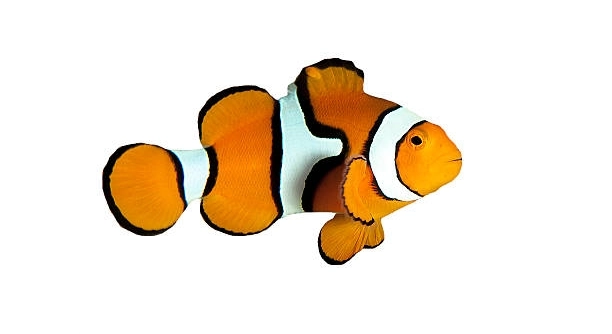
Clownfish are known for their bright colors and lively behavior in home aquariums. Many people enjoy watching how their moods can change throughout the day. Understanding what affects these changes can improve their care and well-being.
Several unexpected factors influence clownfish mood, including water temperature fluctuations, light exposure, tank size, social interactions, diet quality, presence of predators, and water quality. These elements directly impact their stress levels, activity, and overall health in controlled environments.
Learning about these factors helps ensure your clownfish remain healthy and active. This article explains the surprising influences that shape their moods and how to manage them effectively.
Water Temperature Changes
Clownfish are sensitive to water temperature shifts, which can affect their mood and behavior quickly. Even small changes can cause stress, making them less active or hiding more often. Keeping the tank temperature stable between 75°F and 82°F is ideal for their comfort. Sudden drops or spikes in temperature may weaken their immune system, leading to health problems. Using a reliable heater and thermometer helps maintain a consistent environment. Regularly checking these tools is important to avoid unexpected fluctuations. When the water temperature stays steady, clownfish tend to be more playful and exhibit natural behaviors, which is rewarding to observe. Keeping their environment stable shows how much their mood depends on small details in their care routine.
Temperature stability supports healthier clownfish behavior and reduces stress-related issues. Proper equipment and regular monitoring are key to maintaining this balance.
Monitoring and managing water temperature carefully ensures your clownfish feel secure. This creates a calmer, happier fish that thrives in its environment. Avoid sudden changes to promote consistent activity and reduce illness risk.
Light Exposure and Mood
Clownfish rely on natural light cycles to regulate their mood and daily rhythm. In a tank, artificial lighting should mimic day and night cycles to keep them balanced. Too much light can cause stress, while too little can make them lethargic. Keeping lights on for about 8 to 10 hours daily provides enough stimulation without overwhelming them.
Light intensity affects clownfish behavior significantly. Bright, constant lighting can lead to agitation, whereas proper light cycles help maintain their natural patterns and social interactions.
Adjusting light exposure to suit their natural rhythm enhances clownfish mood and health. Using timers to control lighting duration supports their internal clock. Gradually dimming lights during evening hours mimics sunset and prepares them for rest. Sudden light changes may startle them, so a steady transition is better. Some aquarists use blue or moonlight settings at night to simulate natural underwater conditions, which can calm the fish. Maintaining consistent light cycles not only improves their mood but also supports coral and plant life in the tank, creating a balanced ecosystem.
Understanding and managing light exposure helps your clownfish stay active and less stressed. This simple adjustment has a big impact on their well-being.
Tank Size and Space
Clownfish need enough space to swim and explore. A small tank can make them feel confined and stressed.
A tank smaller than 20 gallons can limit their natural behavior and cause aggression or lethargy. Crowding also increases waste buildup, which affects water quality and fish health. Providing at least 20 to 30 gallons gives clownfish room to move freely and establish territories. A larger tank allows better water circulation and more stable conditions, helping them stay active and calm.
Proper tank size supports healthy clownfish behavior by reducing stress and promoting natural movement. Adding hiding spots and decorations also helps them feel secure, improving their mood and overall well-being.
Social Interactions Matter
Clownfish are social creatures that form strong bonds, especially pairs. Keeping a single clownfish can make it lonely and less active.
Pairs or small groups help reduce stress and encourage natural behaviors like chasing and cleaning each other. Aggressive tank mates or overcrowding can cause tension, harming their mood. Introducing compatible fish and avoiding overcrowding creates a peaceful environment. Watching their interactions gives clues about their comfort and mood. Social stress shows in hiding or aggressive chasing, signaling changes in the tank setup may be needed.
Providing proper social settings enhances clownfish happiness and activity. Understanding their social needs is key to maintaining a balanced and healthy aquarium.
Diet Quality
Clownfish need a balanced diet to stay healthy and energetic. Poor nutrition can lead to mood changes and illness.
Feeding high-quality pellets, flakes, and occasional frozen foods ensures they get essential nutrients. Avoid overfeeding, which can pollute the water and harm their mood.
Presence of Predators
Clownfish react strongly to the presence of predators nearby. Stress from predators can make them hide or become aggressive.
Even if predators are behind a tank divider, clownfish sense the threat. Keeping predator fish separate or in a different tank reduces this stress, improving clownfish mood and health.
Water Quality
Maintaining clean water is essential for clownfish well-being. Poor water quality quickly leads to stress and health problems.
Regular water changes and monitoring parameters like ammonia, nitrites, and nitrates help keep the environment safe. Filtration systems play a key role in removing waste and toxins, supporting a stable habitat where clownfish can thrive.
Tank Decorations
Adding decorations provides hiding spots and territory markers. These help clownfish feel secure and reduce stress.
FAQ
How do water temperature changes affect clownfish mood?
Water temperature shifts can cause stress in clownfish, leading to changes in their activity and behavior. If the temperature is too low or too high, clownfish may hide, become less active, or show signs of illness. Keeping the temperature stable between 75°F and 82°F helps maintain their mood and health.
What is the best way to maintain stable water temperature?
Using a reliable aquarium heater and thermometer is essential. Check them regularly to avoid sudden temperature fluctuations. Avoid placing the tank near windows or vents where temperature changes can happen quickly. Consistent monitoring ensures the environment stays comfortable for clownfish.
How does light exposure influence clownfish behavior?
Clownfish depend on natural light cycles to regulate their internal clocks. Too much light causes stress and agitation, while too little light leads to lethargy. Providing 8 to 10 hours of light daily with gradual dimming in the evening helps maintain their natural rhythm.
Can artificial lighting replicate natural light cycles effectively?
Yes, timers that turn lights on and off at set times create stable light cycles. Some aquarists use blue or moonlight settings at night to simulate underwater conditions. This approach supports clownfish mood and encourages natural behaviors.
Why is tank size important for clownfish mood?
A small tank restricts movement and increases stress. Clownfish need space to swim, explore, and establish territories. Tanks under 20 gallons often cause aggression or hiding. Providing at least 20 to 30 gallons gives them room to behave naturally and stay active.
What role does tank decoration play in clownfish comfort?
Decorations offer hiding spots and areas to claim as territory. These reduce stress by making clownfish feel safe. Live rock, anemones, or artificial plants create a comfortable environment and support natural behaviors.
How do social interactions affect clownfish mood?
Clownfish are social and thrive when kept in pairs or small groups. Isolation can make them lonely and inactive. Aggressive tank mates or overcrowding cause stress and mood changes. Proper social settings encourage playfulness and reduce anxiety.
What should I feed clownfish for a balanced diet?
A mix of high-quality pellets, flakes, and frozen foods provides essential nutrients. Overfeeding should be avoided to prevent water pollution and health issues. Regularly changing their diet supports good mood and overall vitality.
Can the presence of predators in the tank affect clownfish?
Yes, clownfish sense predators even if separated by tank dividers. This causes stress, leading to hiding or aggression. Keeping predator species in separate tanks or areas minimizes this effect and improves clownfish well-being.
How important is water quality for clownfish mood?
Water quality directly impacts clownfish health and mood. Poor water conditions raise stress levels and increase disease risk. Regular water changes, proper filtration, and monitoring of ammonia, nitrites, and nitrates maintain a safe environment for clownfish.
How often should I test my aquarium water?
Testing water weekly helps catch problems early. Frequent monitoring allows adjustments before water quality harms clownfish. Using test kits for ammonia, nitrites, nitrates, and pH keeps the tank stable and fish happy.
What signs show a clownfish is stressed or unhappy?
Signs include hiding, reduced movement, loss of appetite, color fading, or aggression. These behaviors signal changes in the environment or care routine. Addressing stress factors quickly helps restore their mood and health.
Are there ways to calm stressed clownfish?
Improving water quality, stabilizing temperature, adjusting lighting, and ensuring proper social interactions can reduce stress. Providing hiding spots and maintaining a balanced diet also support a calm and healthy clownfish.
Is it normal for clownfish moods to change daily?
Yes, clownfish naturally have periods of activity and rest. However, extreme mood swings or prolonged hiding indicate issues that need attention. Keeping environmental conditions steady helps maintain balanced behavior.
Can adding live anemones improve clownfish mood?
Live anemones offer natural shelter and comfort, promoting positive behaviors. However, they require special care and stable conditions. When properly maintained, anemones enhance the tank environment and clownfish mood.
Clownfish are sensitive creatures that react to many things in their environment. Small changes in water temperature, lighting, or tank size can impact their mood and behavior. Understanding these factors helps provide the best care and create a healthy environment for them. It’s important to maintain stable water conditions, including temperature and quality, to reduce stress. Proper lighting that mimics natural cycles supports their daily rhythms and keeps them active. The tank should be large enough for swimming and have decorations or hiding spots to make clownfish feel safe. These elements together help keep clownfish calm and lively.
Social interactions also play a significant role in clownfish well-being. They are social fish that usually do well in pairs or small groups. Isolating a clownfish or placing it with aggressive tank mates can cause anxiety and mood changes. Watching how clownfish behave around others can provide clues about their comfort level. If they show signs of stress, such as hiding or aggression, adjustments may be needed in the tank setup. Providing a balanced diet with quality food supports their health and energy levels. Overfeeding should be avoided to keep water quality high and prevent health problems.
Taking care of clownfish requires attention to many details, but the effort is worth it. When the environment is stable and meets their needs, clownfish show natural behaviors and seem happier. Regular monitoring and small adjustments help maintain good water quality, stable temperature, proper lighting, and social balance. This care improves not only their mood but also their overall health and lifespan. By paying close attention to these factors, you can create a thriving home for clownfish that brings enjoyment and satisfaction over time.

Hello,
If you enjoy the content that we create, please consider saying a "Thank You!" by leaving a tip.
Every little bit helps us continue crafting quality advice that supports the health, happiness, and well-being of pets around the world, for pets of all shapes, sizes, and species.
We really appreciate the kindness and support that you show us!