
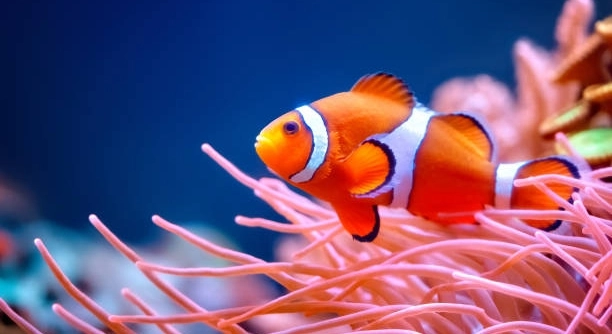
Clownfish are popular aquarium pets, known for their bright colors and lively behavior. Many owners wonder about their fish’s emotional well-being, especially if they live alone in a tank. Understanding their social needs is important for their health and happiness.
Clownfish are social animals that often show signs of loneliness when kept in isolation. Indicators include decreased activity, loss of appetite, and changes in color or behavior. Providing companionship or environmental enrichment can reduce these symptoms and improve overall welfare.
Recognizing loneliness in your clownfish can help you create a better living environment for them. This article will guide you through the key signs and practical steps to support your fish’s social needs.
Signs Your Clownfish May Be Lonely
When a clownfish is lonely, its behavior changes noticeably. It may hide more often or swim less actively around the tank. Some fish lose their vibrant colors and look duller. Appetite can decrease, leading to weight loss and poor health. You might also notice your clownfish becoming more aggressive or irritable when left alone. Sometimes, they appear listless, resting on the bottom or staying in one spot for long periods. These changes can signal that the fish is missing social interaction or stimulation.
Lonely clownfish often show stress signs, which can affect their immune system and lifespan if not addressed.
Observing your clownfish daily helps catch these signs early. If you notice a change in energy or appearance, consider adding tank mates or new decorations. Providing a varied environment helps keep your fish mentally and physically engaged, reducing loneliness and improving overall well-being.
How to Help Your Clownfish Feel Less Lonely
Adding other compatible fish species can provide social interaction for your clownfish. Clownfish generally prefer the company of their own kind or peaceful tank mates like gobies or blennies. When introducing new fish, keep the tank size in mind to avoid overcrowding. It’s important to monitor how the fish interact to ensure they are comfortable together.
Besides tank mates, environmental enrichment plays a big role. Adding hiding spots with live rock, coral replicas, or plants gives your clownfish places to explore and feel secure. Changing the tank layout occasionally keeps things interesting and stimulates natural behaviors.
Consistency in feeding and water quality also supports their well-being. A stable environment reduces stress, which can worsen loneliness. Small changes in the tank can greatly improve your clownfish’s mood and health over time.
Providing Proper Tank Conditions
Maintaining ideal water quality is essential for clownfish well-being. Clean water reduces stress and encourages natural behavior.
Regular water changes and proper filtration keep the tank environment healthy. Temperature should be stable, typically between 74°F and 79°F. Monitoring pH levels around 8.0 to 8.4 is important. Stress from poor conditions can mimic loneliness, so keeping the water parameters steady helps prevent unnecessary behavioral changes.
Lighting also affects clownfish activity. A consistent day-night cycle supports their natural rhythms. Avoid sudden changes in light intensity, which can cause stress. Maintaining tank cleanliness and avoiding overcrowding ensures a comfortable space, reducing signs of stress and loneliness.
Understanding Clownfish Behavior Patterns
Clownfish form social hierarchies when housed with others, which influences their interaction. Observing these behaviors helps identify if your fish is coping well alone or needs company.
They often display territorial behavior, defending their anemone or preferred hiding spots. When lonely, they may become more withdrawn or less active. Understanding these patterns assists in recognizing changes due to isolation. Behavioral cues like increased aggression or hiding suggest your clownfish may benefit from adjustments in its environment.
Providing opportunities for natural behaviors, such as exploring and defending space, supports mental health. Monitoring interactions and activity levels ensures your clownfish stays comfortable and engaged in its habitat.
Introducing Tank Mates
Choosing the right tank mates is key to a peaceful environment. Avoid aggressive species that may stress your clownfish.
Peaceful fish like gobies or small blennies can provide company without causing conflict. Proper research ensures compatibility and a balanced tank.
Feeding and Enrichment
Varied diet supports physical health and mental stimulation. Offer a mix of pellets, frozen foods, and occasional live treats. Feeding multiple small portions daily encourages natural foraging behavior.
Enrichment through toys or decorations encourages exploration and reduces boredom. Change tank layout occasionally to keep the environment interesting.
Signs of Stress vs. Loneliness
Stress and loneliness can show similar signs but need different care approaches. Identifying the cause is crucial for effective treatment.
When to Consult a Specialist
If your clownfish’s behavior worsens or health declines despite changes, professional advice may be necessary.
FAQ
How can I tell if my clownfish is lonely or just stressed?
Loneliness and stress often show similar signs like hiding, loss of appetite, or dull colors. Stress usually results from poor water quality, sudden changes, or overcrowding. Loneliness is more about behavioral changes due to isolation, such as decreased activity or lack of social interaction. Monitoring water conditions and your fish’s environment can help identify the cause. If water parameters are stable and the fish still shows signs of withdrawal, loneliness is likely the issue.
Is it necessary to keep more than one clownfish together?
Clownfish are social creatures and usually do better with companions, but it depends on tank size and setup. A single clownfish can live comfortably if the environment is enriching and stable. However, having a pair or small group encourages natural social behaviors and reduces signs of loneliness. Avoid overcrowding, as too many fish can increase stress and competition for resources.
What tank mates work best with clownfish?
Peaceful species like gobies, blennies, and some small damselfish are good companions for clownfish. These fish usually don’t compete aggressively for space or food. Avoid aggressive or large predatory fish, which can stress or harm your clownfish. Always research specific species compatibility before adding new tank mates to ensure a balanced community.
How often should I change the water in my clownfish tank?
Regular water changes, about 10-20% weekly or biweekly, maintain good water quality. This helps reduce stress and prevent health problems. Use a good filtration system and test water parameters often to keep the environment stable. Consistency is more important than frequent large changes, as sudden shifts can upset your fish.
What signs indicate my clownfish is happy and healthy?
A healthy clownfish is active, bright in color, and eats well. It swims confidently around the tank and interacts with its environment. Brightness in color and smooth swimming show good health. A happy clownfish explores and displays normal social behaviors like defending territory or interacting with tank mates.
Can clownfish live without anemones?
Yes, clownfish can live without anemones in a home aquarium. Many aquarists keep clownfish happily without anemones by providing plenty of hiding spots and environmental enrichment. Anemones require special care and lighting that may not suit all tanks. While clownfish naturally form symbiotic relationships with anemones in the wild, they adapt well to alternative setups.
How do I reduce loneliness if I cannot add tank mates?
If adding other fish isn’t possible, focus on enriching the environment. Add live rock, decorations, and plants to encourage exploration. Change the tank layout occasionally to stimulate your clownfish’s interest. Maintaining consistent feeding routines and good water quality also helps reduce stress and boredom.
What should I do if my clownfish becomes aggressive?
Aggression can be a sign of stress, territorial behavior, or loneliness. Check water quality and tank conditions first. If aggression continues, try adding tank mates or rearranging decorations to reduce competition for space. In some cases, aggression is normal social behavior, but monitor closely to prevent harm.
Are there any specific foods that help improve clownfish behavior?
A varied diet including pellets, frozen brine shrimp, mysis shrimp, and algae helps maintain health and energy. Good nutrition supports activity and reduces stress. Avoid overfeeding, which can harm water quality and fish health. Feeding multiple small meals daily encourages natural foraging and keeps your clownfish engaged.
When should I seek veterinary help for my clownfish?
If your clownfish shows persistent signs of illness like rapid breathing, white spots, fin damage, or severe lethargy despite good care, consult a fish health specialist. Early diagnosis and treatment improve chances of recovery. A vet can also help identify if behavioral changes are linked to health issues rather than loneliness.
Clownfish are lively and social creatures that thrive best in environments that meet their needs. Understanding whether your clownfish is lonely is important because their behavior and health can be affected by social isolation. Signs like hiding, dull colors, and lack of activity may indicate your fish is feeling lonely or stressed. Paying close attention to these changes helps you take timely action to improve their living conditions. Whether through adding compatible tank mates or enriching the environment, small adjustments can make a significant difference in their well-being.
Maintaining proper tank conditions is just as important as addressing social needs. Clean water, stable temperature, and good lighting all contribute to reducing stress for clownfish. Stress can mimic loneliness symptoms, so it’s vital to keep water quality high and provide a stable environment. Introducing hiding spots and changing the tank layout occasionally keeps your fish mentally engaged. A balanced diet with varied foods also supports health and activity levels, encouraging natural behaviors that reduce signs of loneliness.
Taking care of a clownfish means observing its behavior carefully and making thoughtful changes when needed. If your fish continues to show signs of distress despite adjustments, consulting a specialist is advisable. Each clownfish has its own personality and needs, so being patient and attentive will help you create a tank environment where your fish can thrive. This attention not only promotes their health but also allows you to enjoy the vibrant, active presence of a happy clownfish.

Hello,
If you enjoy the content that we create, please consider saying a "Thank You!" by leaving a tip.
Every little bit helps us continue crafting quality advice that supports the health, happiness, and well-being of pets around the world, for pets of all shapes, sizes, and species.
We really appreciate the kindness and support that you show us!