
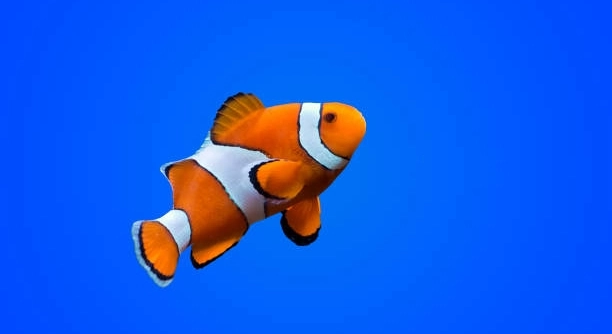
Are your clownfish spending less time near the anemone than you expect? Many aquarium owners notice this change and wonder what might be causing it. This behavior can be puzzling when clownfish usually seek protection there.
Clownfish may avoid anemones due to stress, poor water quality, or the anemone’s health declining. Environmental changes or lack of proper acclimation can disrupt their natural symbiotic relationship, causing the fish to keep their distance for safety.
Understanding why clownfish behave this way helps improve their care and environment. It can lead to a happier tank where both fish and anemone thrive together.
Causes of Clownfish Avoiding the Anemone
Clownfish may avoid their anemone for several reasons. One common cause is poor water quality. If the water parameters like temperature, pH, or ammonia levels are off, clownfish can become stressed and stay away from their usual shelter. Another cause is that the anemone itself might be unhealthy or dying. Anemones need stable lighting and proper feeding to thrive. Without these, they can retract or become less inviting. Sometimes, clownfish simply need more time to get used to a new tank or anemone. Sudden changes in environment or tank mates can also cause stress, making them hide elsewhere. Finally, overcrowding or aggression in the tank may push clownfish away from the anemone, seeking safety in other areas.
Checking water quality regularly and ensuring the anemone’s health are essential steps for a balanced tank.
Stress and environmental changes often disrupt the natural bond between clownfish and their anemone. Keeping conditions stable helps restore comfort.
How to Encourage Clownfish to Return
Improving tank conditions can encourage clownfish to return to the anemone. First, ensure the water is clean and stable, testing regularly for ammonia, nitrites, and nitrates. Maintain proper temperature and lighting to support both fish and anemone health. If the anemone is not doing well, consider feeding it specialized food to boost its vitality.
Be patient when introducing clownfish to a new anemone. They may need time to adjust. Avoid moving the anemone or fish frequently, as this can increase stress. Providing hiding spots and reducing aggressive tank mates also helps create a safe environment. With steady care, the natural relationship between clownfish and anemone can return. Your tank will feel more balanced, and your fish will feel secure again.
Signs Your Anemone Is Unhealthy
An unhealthy anemone often appears deflated or pale. It might not open fully or show little movement. These are signs it is stressed or dying, which can push clownfish away.
Anemones rely on stable lighting and clean water to survive. If the light intensity drops or the water quality worsens, they lose their color and strength. Sometimes anemones also suffer from poor feeding. Without enough nutrients, they weaken and stop behaving normally. A sick anemone will retract its tentacles and fail to provide shelter. This makes clownfish feel unsafe and reluctant to stay close. Regular observation can help catch these issues early, allowing timely care or replacement if needed.
Taking care of an anemone means keeping the tank stable and feeding it properly. This supports its health and encourages clownfish to return to their usual home.
Impact of Tank Environment on Clownfish Behavior
Tank environment affects clownfish behavior more than many realize. Stress from overcrowding or aggressive fish can cause clownfish to avoid their anemone. Small changes in water temperature or chemistry also disturb their comfort.
Maintaining a calm, balanced environment is key. Overcrowding increases competition for space and resources, making clownfish seek safety elsewhere. Aggressive tank mates can scare clownfish away from their natural shelter. Even slight changes in temperature or pH can stress them, reducing their usual behavior. Consistent water testing and careful selection of tank companions help maintain peace. Providing plenty of hiding spots outside the anemone also gives clownfish alternative safe spaces, reducing stress while they adjust. A stable environment promotes healthy interaction between clownfish and anemones.
Adjusting to a New Anemone
Clownfish need time to get used to a new anemone. Rushing this process can cause them to avoid it.
Giving them a calm environment without sudden changes helps. Patience is key while they build trust with their new home.
Importance of Water Quality
Poor water quality stresses clownfish and their anemone. Regular testing for ammonia, nitrates, and pH is essential. Maintaining clean water supports the health of both species and encourages natural behavior.
Feeding the Anemone
Anemones need proper feeding to stay healthy. Specialized foods like frozen shrimp or plankton help provide nutrients. Feeding supports the anemone’s growth and encourages clownfish to stay close.
Observing Behavior Changes
Watching your clownfish closely reveals their comfort level. Changes in activity or hiding more often signal stress. Early observation helps address problems before they worsen.
FAQ
Why are my clownfish not staying near the anemone?
Clownfish may avoid the anemone due to stress from poor water quality, an unhealthy anemone, or changes in the tank environment. They need time to adjust to new anemones, and aggressive tank mates can also push them away.
How long does it take for clownfish to bond with a new anemone?
The bonding process can take several days to a few weeks. It depends on how stable the tank environment is and how healthy the anemone appears. Patience and consistent care help speed this adjustment.
Can an unhealthy anemone harm clownfish?
Yes, an unhealthy or dying anemone can cause stress to clownfish. When the anemone retracts or loses its tentacles, clownfish lose their safe shelter and may become more vulnerable to stress or tank aggression.
What water parameters should I keep for clownfish and anemones?
Maintain a temperature around 75–82°F (24–28°C), pH between 8.1 and 8.4, and ammonia and nitrites at 0 ppm. Nitrate should be kept below 20 ppm. Stable salinity is also important, usually around 1.023–1.025 specific gravity.
How often should I feed my anemone?
Feed your anemone about once or twice a week with small amounts of meaty foods like frozen shrimp, plankton, or specially prepared anemone food. Avoid overfeeding to keep water quality good.
What if my clownfish still avoid the anemone after weeks?
If clownfish continue avoiding the anemone, check for hidden tank stressors like aggressive fish, poor water conditions, or an unhealthy anemone. Sometimes the species of anemone is not a good match for your clownfish.
Can clownfish live without an anemone?
Yes, clownfish can survive without an anemone, especially in captivity. They may find other hiding spots but won’t get the full benefits of protection and symbiosis that anemones provide.
Is it normal for clownfish to leave the anemone sometimes?
Yes, clownfish do leave the anemone to swim around and explore their environment. However, if they never return or stay far away for long periods, it could indicate stress or other problems.
How do I improve my tank to encourage clownfish to stay near the anemone?
Keep the water clean and stable, provide proper lighting and feeding for the anemone, reduce tank aggression, and offer plenty of hiding places. Avoid sudden changes in water conditions or tank layout.
What are signs that my clownfish is stressed?
Signs include hiding excessively, loss of appetite, faded colors, and erratic swimming. Stress can come from poor water quality, aggressive tank mates, or lack of proper shelter like a healthy anemone.
Can I move the anemone to encourage clownfish to stay?
Moving the anemone can cause more stress to both the anemone and clownfish. It’s better to make gradual changes and give the fish time to adjust naturally to their surroundings.
How important is lighting for the anemone’s health?
Lighting is very important because anemones rely on symbiotic algae inside them for energy. Insufficient light weakens the anemone, making it less attractive as shelter for clownfish.
Are there any signs that the anemone is too small or too large for my clownfish?
If the anemone is too small, clownfish may not feel safe and avoid it. If it’s too large, it might crowd the tank or overshadow the fish. Proper sizing helps maintain comfort and natural behavior.
Can other fish affect the clownfish-anemone relationship?
Yes, aggressive or territorial fish can scare clownfish away from their anemone. Also, some fish may bother or damage the anemone, which impacts its health and the clownfish’s willingness to stay nearby.
What should I do if the anemone dies?
Remove the dead anemone promptly to maintain water quality. Replace it carefully with a healthy anemone suited for your tank and clownfish species. Monitor water conditions closely after replacement.
These answers help clarify common issues that make clownfish avoid their anemones and offer practical steps to improve their relationship in your tank.
Final Thoughts
Clownfish and anemones have a special relationship that depends on a healthy, stable environment. When clownfish avoid their anemone, it usually means something in their surroundings is not quite right. Stress from poor water quality, an unhealthy anemone, or changes in the tank can all cause this behavior. It’s important to remember that both the clownfish and anemone rely on good care to stay healthy and comfortable. Watching for early signs of trouble helps keep problems from growing worse.
Taking care of an anemone means paying attention to lighting, feeding, and water conditions. Anemones need the right light to support the algae living inside them, which gives them energy. They also need proper food and clean water to thrive. When an anemone is weak or unhealthy, clownfish lose their safe shelter and may stay away. On the other hand, clownfish also need a calm tank environment. Aggressive tank mates or overcrowding can make clownfish feel unsafe and reluctant to return to their home. Balancing all these factors creates a peaceful tank where both animals can thrive.
Finally, patience is key when introducing clownfish to a new anemone or when fixing issues. Clownfish don’t always bond quickly and may take days or weeks to feel comfortable. Sudden changes or moving things around too often can increase stress and make problems worse. Giving your fish and anemone time to adjust, while maintaining stable water quality and a peaceful environment, often brings back the natural behavior you expect. With steady care and attention, your clownfish will feel safer and more at home near their anemone again.

Hello,
If you enjoy the content that we create, please consider saying a "Thank You!" by leaving a tip.
Every little bit helps us continue crafting quality advice that supports the health, happiness, and well-being of pets around the world, for pets of all shapes, sizes, and species.
We really appreciate the kindness and support that you show us!