
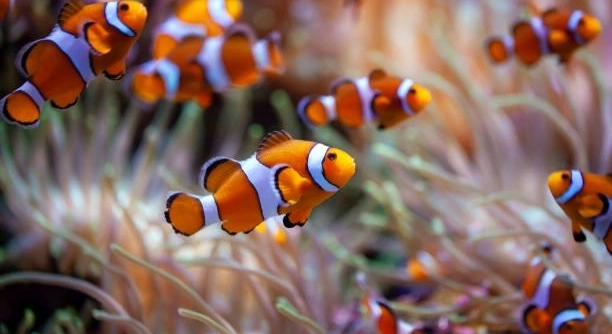
Clownfish are popular colorful fish often seen in home aquariums and nature documentaries. They live in warm ocean waters and are known for their bright orange and white stripes. Many people recognize them from movies and marine life shows.
Clownfish do not always swim in pairs. While pairs are common due to their social and breeding behavior, clownfish can live alone or in small groups depending on their environment and social structure. Pairing is not a strict rule for their survival.
Learning more about how clownfish interact helps us appreciate their unique behavior and how they adapt to different ocean habitats. Understanding this can deepen our respect for marine life and its complexity.
Why Clownfish Often Pair Up
Clownfish usually form pairs because of their unique social structure. In the wild, they live closely with sea anemones, which provide protection. Within these groups, the dominant female and male form a breeding pair. The female is larger and leads the group, while the male stays close to guard the territory. Other smaller clownfish live nearby but do not breed. This system helps ensure the survival of their eggs and protects them from predators. When the female dies, the dominant male changes sex and becomes the new female, showing how flexible their social roles are. While pairs are common, clownfish are also seen in small groups or alone when needed. This behavior depends on available space and the number of sea anemones. Clownfish pairing is more about survival strategy than strict social rules.
Pairing benefits clownfish by improving breeding success and defense of their habitat, but it’s not always necessary.
Understanding this dynamic helps explain why pairs are typical but not mandatory for clownfish in the wild or captivity.
How Environment Affects Clownfish Behavior
Clownfish behavior changes depending on their surroundings and safety needs.
In larger habitats with more anemones, clownfish often spread out more, sometimes living alone or in small groups. When space is tight, pairs are more common to secure resources and protect eggs. Clownfish also adjust to changes like the loss of a partner by finding a new mate or changing roles within their group. Environmental factors such as water temperature, predators, and availability of hiding spots influence how they interact. In aquariums, clownfish might show different social behavior compared to the ocean because their space is limited and predators are absent. This can make pairs more stable or sometimes cause aggression if space is crowded. The ability of clownfish to adapt their social behavior helps them survive under different conditions. Observing how environment impacts them gives insight into their resilience and complex nature.
Pair Bonding in Clownfish
Pair bonding is common among clownfish, especially during breeding. They form strong connections with their chosen partner.
These bonds help clownfish cooperate in protecting their eggs and territory. The male often guards the eggs while the female feeds and rests. The strength of their bond supports their survival in the wild.
Pair bonds can last for years, but if one fish dies, the other can find a new partner or change roles. This flexibility keeps the group stable. Their ability to bond closely is a key part of their social behavior.
Clownfish Social Hierarchy
Clownfish live in a strict social hierarchy within their groups. The largest female is dominant, followed by the breeding male, then smaller non-breeding males.
This ranking system controls breeding rights and behavior. The dominant female keeps control by being larger and more aggressive. If she dies, the breeding male changes sex to become the new female, and the next male moves up. This hierarchy prevents conflict and keeps the group organized. It also influences their swimming and pairing patterns, as only the top two fish typically swim closely as a pair.
Living with Sea Anemones
Clownfish have a special relationship with sea anemones. The anemones protect them with stinging tentacles, while clownfish keep the area clean.
This partnership helps clownfish stay safe from predators. The anemone’s protection is key to their survival and influences their swimming habits.
Variations in Clownfish Behavior
Not all clownfish behave the same. Some swim alone, while others form small groups. Environmental factors like space and predator presence affect this.
In captivity, clownfish may behave differently due to limited space and no natural threats. This changes their social patterns and pairing habits.
Breeding Patterns
Breeding pairs defend their chosen anemone fiercely. The female lays eggs nearby, and the male guards them carefully until they hatch.
Why Clownfish Switch Partners
Clownfish can switch partners if their mate dies or disappears. This adaptability helps maintain their social and breeding structure.
Do clownfish always swim in pairs?
No, clownfish do not always swim in pairs. While pairing is common, especially for breeding purposes, they can also live alone or in small groups. Their social structure is flexible and depends on factors like space, safety, and available anemones.
Why do clownfish swim in pairs?
Clownfish swim in pairs mainly for breeding and protection. The dominant female and male form a bond to guard their territory and eggs. Pairing helps them work together to defend their home from predators and maintain the safety of their young.
Can clownfish live alone?
Yes, clownfish can live alone, especially if there isn’t enough space or a suitable partner nearby. In the wild, some clownfish might be solitary if conditions don’t support pairing or larger groups.
How do clownfish choose their partners?
Clownfish partners are usually chosen based on size and dominance. The largest female pairs with the dominant male. If the female dies, the male can change sex and become the new female, choosing a new partner from the group.
What happens if one clownfish in a pair dies?
If one clownfish dies, the surviving fish either finds a new mate or changes sex to maintain the breeding pair. This ability helps keep their social and reproductive system stable.
Do clownfish only pair during breeding?
Pairing is strongest during breeding since it increases the chances of successfully raising offspring. Outside of breeding, clownfish may not always stay closely paired but still remain part of a social group.
How does environment affect clownfish pairs?
Environmental factors like space, predators, and availability of sea anemones influence how clownfish pair or group. Limited space often encourages pairing, while larger areas can allow more spread-out living arrangements.
Are clownfish pairs always male and female?
Yes, clownfish pairs generally consist of a dominant female and a breeding male. The female is larger and leads the pair. If the female disappears, the male changes sex to become female, showing their unique gender flexibility.
Do clownfish form lifelong bonds?
Clownfish pairs can form long-lasting bonds, especially in stable environments. However, if conditions change or a partner is lost, they adapt by finding new mates or changing roles.
How does captivity affect clownfish pairs?
In captivity, clownfish behavior may differ due to confined space and lack of predators. Pairs may form more quickly or show aggression if the tank is crowded. Understanding their social needs is important for keeping them healthy.
Can clownfish live in groups larger than two?
Yes, clownfish can live in small groups, especially when several juveniles share the same anemone. However, only the top two fish usually breed and swim closely as a pair. Others remain lower in the social hierarchy.
What role does the sea anemone play in clownfish pairing?
Sea anemones provide safety and a home base for clownfish. The availability of anemones often determines how many fish live in one area and how pairs form, since each pair defends a single anemone.
How do clownfish communicate in pairs?
Clownfish use body movements, colors, and sounds to communicate. These signals help them maintain bonds, warn of danger, or settle disputes within pairs or groups.
Do clownfish pairs share tasks?
Yes, clownfish pairs share duties like defending their home and caring for eggs. The male usually guards the eggs, while the female focuses on feeding and resting. This teamwork increases their survival chances.
What happens to clownfish social structure if the dominant female dies?
When the dominant female dies, the breeding male changes sex to become female. The next largest male moves up to become the new breeding male. This change keeps the social hierarchy and breeding stable.
Are clownfish aggressive toward other fish?
Clownfish can be territorial and aggressive toward intruders, especially when defending their anemone. This behavior protects their home and breeding site. However, aggression varies depending on space and group size.
How often do clownfish switch partners in the wild?
Switching partners is not very common but happens when a mate dies or disappears. Clownfish usually stay with one partner as long as possible to maintain stability and breeding success.
Can clownfish recognize their partners?
Clownfish show strong pair bonds, suggesting they recognize their partners through behavior and interaction. This recognition helps maintain their social structure and cooperation.
Does the size difference between clownfish affect their pairing?
Yes, size is important. The largest fish becomes the female, and the second largest is the male. Size influences dominance, breeding rights, and social rank within their group.
What is the main reason clownfish swim together?
The main reason clownfish swim together is for mutual protection and successful breeding. Pairing helps them guard eggs and defend their home, which improves survival chances for both adults and offspring.
Clownfish are interesting creatures with unique social habits. They often swim in pairs, but this is not always the case. Their behavior depends on many factors such as the environment, availability of space, and their social hierarchy. While pairs are common, clownfish can live alone or in small groups. This flexibility allows them to adapt to different situations in the wild or captivity. Understanding these patterns helps us appreciate how they survive and thrive in their natural habitats.
The bond between clownfish pairs is important for their survival, especially during breeding. The dominant female and male work together to protect their territory and care for their eggs. This teamwork increases the chance that their young will grow safely. However, if one partner is lost, the other can change roles or find a new mate. This ability to adjust keeps their social groups stable and ensures reproduction continues. Their connection shows a balance between cooperation and survival in their daily lives.
It is also important to note how their environment shapes their behavior. Space, predators, and sea anemones all play a role in how clownfish interact with one another. In places where there is less room, pairs are more common to protect their limited space. In larger areas, clownfish may spread out or form groups with clear hierarchies. This adaptability shows how clownfish manage to live successfully in different conditions. Learning about these fish gives us a deeper respect for their complex social lives and the ways they fit into the ocean ecosystem.

Hello,
If you enjoy the content that we create, please consider saying a "Thank You!" by leaving a tip.
Every little bit helps us continue crafting quality advice that supports the health, happiness, and well-being of pets around the world, for pets of all shapes, sizes, and species.
We really appreciate the kindness and support that you show us!