
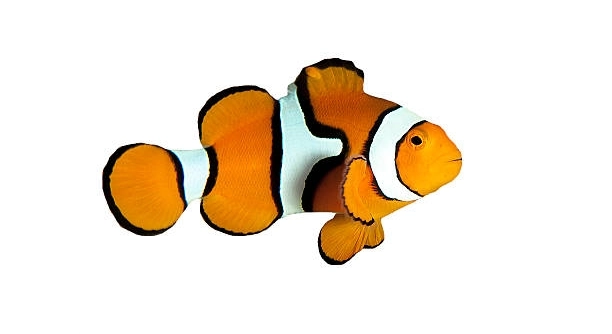
Have you ever watched clownfish swim calmly through their anemone homes, only to find them suddenly hiding, darting, or acting strangely?
Clownfish experience stress due to unexpected factors such as light exposure, tank mates, water quality, and even subtle environmental changes. These stressors can lead to behavioral changes, weakened immunity, and reduced overall health in captive or wild environments.
Understanding these lesser-known causes can help improve the daily care and well-being of these vibrant, fascinating marine creatures.
Bright Lighting Can Overwhelm Them
Clownfish thrive in environments with gentle, natural light. When tank lighting is too intense or inconsistent, it can cause unnecessary stress. Strong lighting can interfere with their day-night rhythm, making them more anxious and disrupting their natural behavior. In the wild, clownfish live in sheltered reef areas where sunlight filters through the water softly. Mimicking this in a home tank helps them feel safe. Sudden light changes, such as turning lights on or off abruptly, can also startle them. Gradual light transitions and adjustable intensity are helpful in reducing this stress and keeping them calm and comfortable.
Bright or flickering lights can confuse clownfish, making them hide or act aggressively toward other tank mates.
Creating a low-stress lighting setup is simple. Use a timer to maintain a consistent schedule, and choose lights designed for reef tanks. Avoid placing the tank near windows where natural sunlight might fluctuate during the day.
Aggressive Tank Mates Cause Anxiety
Clownfish are territorial but not naturally aggressive unless threatened. Placing them with larger or dominant fish can make them feel unsafe.
In a confined space like an aquarium, clownfish need to feel that their territory is secure. If aggressive tank mates invade their space, clownfish may become defensive, hide more often, or lose interest in eating. Over time, this type of stress can lower their immune response and shorten their lifespan. Even other clownfish can be a source of stress if the pairing is not compatible. Some fish, while not visibly aggressive, may still disturb clownfish by constantly swimming around their area or outcompeting them for food. When building a tank community, it helps to research compatible species. Peaceful fish with different swimming zones can share space better. Watching how new additions interact during the first few days is important. Separating incompatible fish early prevents long-term issues and gives your clownfish the calm environment they need to thrive.
Poor Water Quality Triggers Stress
Clownfish are sensitive to unstable water conditions. Even slight changes in temperature, pH, ammonia, or nitrate levels can cause them stress. Unclean tanks and irregular maintenance increase these risks, leading to illness or unusual behavior.
Maintaining clean, stable water is essential for clownfish health. Ammonia and nitrite should always be at zero, and nitrates should remain low. Temperature fluctuations, even within a few degrees, can make them anxious. Weekly water testing helps catch problems early, and small, regular water changes prevent buildup of harmful substances. Avoid overfeeding, as uneaten food breaks down and harms water quality. Filter maintenance also plays a role. A clogged filter can reduce oxygen and circulation. Clownfish show signs of stress through reduced activity, hiding, or rapid breathing. Addressing water issues quickly supports their immune system and keeps them healthy. Clear, stable water gives them the comfort they need to stay active and responsive.
Over time, poor water conditions wear clownfish down. Even if symptoms aren’t immediate, their overall health can slowly decline. This includes faded color, sluggish behavior, and more vulnerability to infections. Consistency matters more than perfection. Checking water parameters regularly builds a healthy rhythm in their environment. The fewer surprises they face, the less stress they carry each day.
Lack of Hiding Spots
Without safe places to retreat, clownfish feel constantly exposed. This makes them more reactive and anxious, especially in busy or loud environments.
Clownfish need hiding spaces to feel secure. In the wild, they rely on sea anemones or coral crevices to shelter themselves from threats. In home tanks, suitable alternatives are essential. Live rock structures, artificial caves, or soft corals can provide them the comfort they seek. When they feel safe, they become more active and display natural behaviors like exploring and hosting. Lack of hiding spots leads to chronic stress, which often shows as erratic swimming, aggression, or appetite loss. The tank layout should allow for open swimming areas as well as private spaces. Observing where clownfish rest or retreat helps identify the best placement. A comfortable, stress-free clownfish will appear more colorful and social. Balanced design benefits their health and improves the tank’s overall dynamic.
Inconsistent Feeding Patterns
Feeding clownfish at random times or changing their diet too often can cause unnecessary stress. They thrive on routine and feel more at ease when they know when and what to expect during mealtime.
Missing feedings or overfeeding can also disrupt their digestion and affect water quality. Balanced portions and a consistent schedule support both their physical and emotional well-being.
Too Much Noise and Movement
Loud sounds, vibrations, or frequent movement near the tank can startle clownfish and make them hide more often. Over time, this type of disturbance can increase their stress levels.
Keeping the tank in a low-traffic, quieter area helps reduce noise exposure. Avoid tapping the glass, sudden hand movements, or placing the tank near speakers, doors, or high-traffic zones. Clownfish notice these things more than you might expect. Providing them with a calm, predictable setting encourages healthier behavior and better interaction with their surroundings. Consistency and quiet can go a long way toward keeping them calm and content.
Handling and Netting
Handling clownfish too often can overwhelm them. Even brief netting or tank transfers create stress, disrupting their sense of safety and routine.
FAQ
What are the main signs that clownfish are stressed?
Clownfish show stress in several ways, such as hiding more than usual, losing their bright colors, or swimming erratically. They may also breathe rapidly or lose interest in food. These signs can point to environmental or social issues in their tank.
How can I improve water quality to reduce clownfish stress?
Regular water testing is key. Aim for zero ammonia and nitrite, and keep nitrates low. Perform small weekly water changes to remove waste and toxins. Avoid overfeeding and clean filters regularly to maintain good circulation and oxygen levels.
Are certain fish better tank mates for clownfish?
Yes, peaceful fish that occupy different swimming levels are better choices. Avoid aggressive or overly large fish that might intimidate clownfish. Some good companions include gobies, blennies, and certain types of tangs, but always check compatibility before adding new fish.
Can lighting affect clownfish behavior?
Strong or flickering lights can stress clownfish. Use reef-appropriate lighting with adjustable brightness and a timer to mimic natural day-night cycles. Avoid placing tanks near windows with direct sunlight to prevent sudden changes in light intensity.
How often should I feed clownfish?
Feed small amounts two to three times daily at consistent times. Use a varied diet of pellets, flakes, and occasional frozen or live foods. Overfeeding leads to poor water quality, while irregular feeding can cause stress.
Is it okay to handle clownfish for cleaning or tank moves?
Handling should be minimized. Frequent netting or transfers stress clownfish and disrupt their routines. When necessary, be gentle and quick to reduce their anxiety and allow them to settle back quickly.
Do clownfish need hiding spots even in a peaceful tank?
Yes, hiding spots are essential for clownfish to feel safe. Even in calm tanks, these spaces allow them to rest and escape perceived threats. Provide rocks, coral, or artificial caves to create comfortable retreats.
Can stress affect clownfish health long-term?
Chronic stress weakens their immune systems, making them vulnerable to disease. It can cause color fading, weight loss, and shorter lifespans. Managing stress factors helps maintain their vitality and appearance.
How can I tell if tank mates are causing stress?
Observe interactions closely. If clownfish are chased, blocked from food, or hiding excessively after adding new fish, stress is likely. Separate aggressive or incompatible species promptly to restore balance.
Is noise around the tank really a problem?
Yes, loud noises, vibrations, and frequent movement near the tank unsettle clownfish. Keeping the aquarium in a quiet area helps them remain calm and display natural behavior. Avoid tapping the glass or sudden movements close to the tank.
What’s the best way to create a low-stress environment?
Maintain stable water quality, feed on schedule, provide hiding places, avoid aggressive tank mates, and reduce noise and lighting disturbances. Consistency in care creates a peaceful habitat where clownfish can thrive.
How do I know if my clownfish is recovering from stress?
Signs of recovery include more active swimming, brighter colors, regular feeding, and less hiding. Patience is key, as it may take days or weeks for them to fully adjust after changes or stress events.
Can stress cause clownfish to stop breeding?
Yes, stress disrupts natural behaviors like breeding. Stable conditions, good water quality, and a peaceful tank encourage reproduction. Reducing stress increases the chances of successful spawning.
Are there specific foods that help reduce stress?
A varied diet with high-quality pellets, flakes, and occasional frozen foods provides essential nutrients. Healthy food supports their immune system and overall well-being, helping them better handle stress.
What is the role of tank size in clownfish stress?
A properly sized tank allows clownfish enough space to swim and establish territory. Overcrowded or too small tanks increase competition and stress. A minimum of 20 gallons is recommended for one or a pair of clownfish.
How often should I test tank water?
Test water at least once a week to track ammonia, nitrite, nitrate, pH, and temperature. Early detection of changes helps prevent stress and health problems. Consistency in monitoring is important for long-term success.
Clownfish are small but sensitive creatures that need a carefully managed environment to stay healthy and happy. Stress in clownfish can come from many unexpected sources, such as lighting, water quality, tank mates, or even how often they are handled. Each of these factors can affect their behavior, health, and lifespan. Understanding the causes of stress is important for anyone who cares for clownfish, whether in a home aquarium or in a research setting. By paying attention to their needs and making small changes, it is possible to create a comfortable and supportive environment where clownfish can thrive.
Maintaining stable water conditions is one of the most important steps in reducing clownfish stress. Clean, well-filtered water with consistent temperature and chemical levels supports their immune systems and encourages natural behavior. Overfeeding or poor tank maintenance can quickly lead to water problems, which in turn cause discomfort or illness. Providing hiding spots and avoiding aggressive tank mates also plays a key role in lowering stress. Clownfish feel safer when they have places to retreat and when they are not constantly threatened by larger or more aggressive fish. These small changes can make a big difference in their daily well-being.
Routine and predictability help clownfish feel secure. Feeding them regularly and avoiding sudden changes in lighting or tank placement reduces anxiety. Handling should be kept to a minimum to prevent unnecessary stress, especially during tank cleaning or moves. Even noise and frequent movement around the tank can cause them to feel unsettled. Overall, the best care involves creating a calm, stable environment and watching for signs of stress. When these conditions are met, clownfish display their bright colors, active swimming, and natural behaviors, making them a rewarding addition to any aquarium.

Hello,
If you enjoy the content that we create, please consider saying a "Thank You!" by leaving a tip.
Every little bit helps us continue crafting quality advice that supports the health, happiness, and well-being of pets around the world, for pets of all shapes, sizes, and species.
We really appreciate the kindness and support that you show us!