
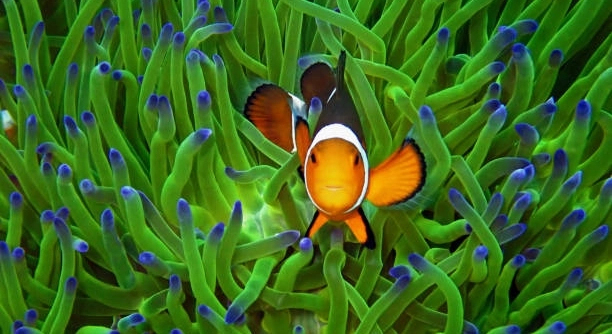
Have you ever set up a saltwater tank and felt unsure about the best water conditions for your clownfish to thrive?
The ideal salinity level for clownfish is between 1.020 and 1.026 specific gravity. Maintaining this range supports their osmoregulation, immune system, and overall health, ensuring a stable and comfortable marine environment for long-term survival.
Understanding the right salinity helps you create a healthy space where your clownfish can live stress-free and display their natural behaviors.
Why Salinity Matters for Clownfish
Clownfish are hardy marine fish, but they still need consistent care to stay healthy. Salinity plays a key role in how their bodies function. It helps regulate fluid balance, supports their gills, and protects their immune system. If the salinity drops too low or climbs too high, clownfish can experience stress. This can lead to weakened defenses, poor appetite, or even disease. When kept in a stable saltwater range of 1.020 to 1.026 specific gravity, they’re better equipped to grow, swim comfortably, and interact with their environment. Using a refractometer or hydrometer makes it easy to monitor levels.
Daily monitoring helps avoid sudden changes in salinity, which clownfish are sensitive to. Consistency is more important than aiming for one perfect number.
Feeding, evaporation, and water changes can shift salinity. Keeping a regular maintenance schedule ensures the tank stays in balance and provides a safe space for your clownfish to thrive.
Common Causes of Salinity Fluctuations
Salinity changes are often caused by things you may not notice right away.
Evaporation increases salinity as water leaves the tank but salt remains. Topping off with fresh water—not saltwater—is important. Overfeeding can also impact salinity, especially if uneaten food decays and affects water quality. During water changes, failing to match the salinity of new water to the tank can cause spikes or dips. Equipment issues, like faulty auto top-off systems or broken heaters, can make the problem worse. Using a reliable salt mix and always testing water before adding it to the tank helps prevent these changes. For best results, test salinity at the same time each day. This gives you the most accurate view of the tank’s balance. A stable salinity range is not just about numbers—it helps your clownfish stay active, healthy, and stress-free. When you understand what affects salinity, it becomes easier to keep your aquarium in good shape long term.
How to Measure and Adjust Salinity
Using a refractometer is the most accurate way to measure salinity in a saltwater tank. Hydrometers can work too, but they’re less precise. Always test at room temperature for the best results and avoid testing right after feeding.
Start by calibrating your refractometer with RO (reverse osmosis) water before each use. Take a small sample from the tank and check the reading. If the salinity is too high, slowly add fresh water—not saltwater—to bring it down. If it’s too low, mix a small amount of marine salt with RO water in a bucket, then add it to the tank in stages. Never make quick or large adjustments. Rapid shifts can stress your clownfish and cause health issues. Instead, aim to adjust gradually over 24–48 hours. Test the water again after each adjustment to ensure stability. Consistency and patience are key to maintaining a healthy environment.
Tracking evaporation is important when adjusting salinity. As water evaporates, salt concentration rises. Topping off the tank with plain RO or distilled water helps return salinity to normal. Avoid using tap water, as it can contain minerals or chlorine that affect water quality. Always test both before and after making changes to stay on track.
Best Practices for Maintaining Stable Salinity
Stability comes from daily habits. Testing once a day at the same time helps catch small changes before they grow into bigger problems. Keep your tools clean and dry for accurate readings.
Use an auto top-off (ATO) system to handle evaporation. This tool helps you maintain salinity without constant checking. If you don’t use one, try to top off manually each day with fresh water. Weekly water changes are also important. Always match the new water’s salinity and temperature to the tank. Mixing saltwater at least 24 hours in advance helps it dissolve fully and reach the correct level. Store your salt mix in a dry area, sealed tightly, to prevent clumping. Label your buckets and tools to avoid contamination. Taking a few minutes each day to check on your tank makes a big difference in keeping your clownfish healthy and stress-free.
Signs of Improper Salinity in Clownfish
If your clownfish are breathing heavily, swimming oddly, or refusing food, salinity may be off. They may also show faded color or hide more than usual, signaling stress from unstable water conditions.
Long-term exposure to the wrong salinity can lead to weakened immunity, making clownfish more prone to infections and disease.
How to Safely Raise or Lower Salinity
To lower salinity, add small amounts of fresh RO or distilled water over 24–48 hours. Monitor closely using a refractometer. To raise salinity, slowly add premixed saltwater in small portions, allowing time between adjustments. Never change salinity too fast, as it can shock your clownfish. A consistent, gentle approach is safest.
Importance of Quarantine and Acclimation
New fish should be quarantined and acclimated slowly to avoid salinity shock. Use the drip method to let them adjust gradually.
FAQ
What is the best way to test salinity for clownfish tanks?
The best method is using a refractometer. It gives the most accurate reading of specific gravity, which shows salinity levels. Hydrometers are less precise but still useful if you don’t have a refractometer. Always test water at room temperature and calibrate your device regularly for accurate results.
How often should I check the salinity in my clownfish tank?
Daily testing is ideal, especially in tanks without auto top-off systems. Salinity can change quickly due to evaporation or water changes. Checking once a day at a consistent time helps catch any fluctuations before they harm your fish.
Can I use tap water to adjust salinity?
It’s best to avoid tap water. It often contains chlorine, chloramines, and minerals that can harm clownfish and affect tank chemistry. Instead, use reverse osmosis (RO) or distilled water to top off your tank and mix saltwater.
What happens if the salinity is too high?
High salinity can stress clownfish by making it difficult for them to regulate fluids in their bodies. Signs include heavy breathing, lethargy, and loss of appetite. Long-term exposure to high salinity can cause organ damage and increase vulnerability to disease.
What if the salinity is too low?
Low salinity can also be harmful. It may cause clownfish to become weak and stressed, which lowers their immune system’s ability to fight infections. They may also show unusual behavior like hiding or erratic swimming.
How quickly should I adjust salinity levels?
Changes should be slow and gradual. Adjust salinity over 24 to 48 hours in small steps. Sudden shifts can shock clownfish and lead to severe health problems. Patience during adjustments ensures safer transitions for your fish.
Is salinity the only factor to keep stable for clownfish health?
No, other factors like temperature, pH, and nitrate levels are also important. However, salinity is one of the most critical since it directly affects the fish’s physiological balance. Keeping all water parameters stable together creates the best environment.
Can I keep clownfish in freshwater?
No, clownfish are marine fish and require saltwater environments. Freshwater is harmful to them and will quickly lead to health issues and death. Always maintain the correct marine salinity to keep them healthy.
What salt mix should I use for clownfish tanks?
Use a high-quality marine salt mix designed for reef or fish-only saltwater tanks. These mixes contain the right balance of minerals and trace elements needed for clownfish health. Avoid cheap or non-marine salt blends, as they can cause imbalances.
How does temperature affect salinity?
Temperature changes can slightly affect salinity readings. Always test salinity at room temperature for consistency. In the tank, warmer water can hold less oxygen, adding stress to fish if salinity is also off. Keeping both stable is essential.
Can sudden weather changes affect my tank’s salinity?
Yes, sudden changes in room temperature or humidity can increase evaporation rates, which raises salinity. Be aware of your tank’s environment and adjust topping off routines during extreme weather to maintain stable levels.
Should I acclimate new clownfish to the tank’s salinity?
Absolutely. Gradually acclimate new fish by slowly matching the tank’s salinity with drip acclimation or floating bag methods. This prevents shock and helps the fish adjust to their new environment safely.
What tools help maintain stable salinity automatically?
Auto top-off (ATO) systems are very helpful. They replace evaporated water with fresh RO or distilled water automatically, keeping salinity stable. Pairing an ATO with regular testing ensures the best control over water conditions.
How often should I change water in a clownfish tank?
Weekly or biweekly water changes of about 10–20% are recommended. Always match the salinity of the new water to the tank. This helps remove waste and keep the environment clean without shocking your fish.
Can overfeeding affect salinity?
Yes. Uneaten food breaks down and alters water chemistry, which can indirectly impact salinity and overall water quality. Feed your clownfish only what they can eat within a few minutes to prevent this problem.
What are some signs my clownfish is stressed from salinity issues?
Signs include rapid gill movement, hiding, clamped fins, loss of color, and reduced activity. These behaviors suggest the fish is struggling with its environment, and checking salinity is one of the first steps to fixing it.
Is it normal for salinity to fluctuate daily?
Some small fluctuation is normal due to evaporation and water changes. However, large or rapid changes are not safe and indicate maintenance issues. Keeping salinity stable within the recommended range is important for fish health.
Can live plants or coral affect salinity levels?
Live coral and plants can slightly influence water chemistry but generally do not cause major salinity shifts. Proper tank maintenance and monitoring are still necessary to maintain stable conditions for clownfish.
What should I do if my salinity readings keep fluctuating?
Check your equipment for leaks or malfunctions. Ensure your auto top-off system is working correctly. Avoid sudden water changes and confirm that your salt mix is fully dissolved before adding it. Regular monitoring and slow adjustments help stabilize readings.
How long can clownfish tolerate incorrect salinity?
Clownfish may survive short periods of improper salinity but prolonged exposure can cause serious health problems or death. Immediate correction and careful monitoring are critical if levels fall outside the ideal range.
Is using a digital salinity meter better than a refractometer?
Digital meters offer convenience and quick readings, but refractometers tend to be more reliable and consistent over time. Many aquarists prefer refractometers for accuracy in marine setups.
Can I mix saltwater directly in the tank to adjust salinity?
It’s better to mix saltwater separately in a clean bucket, then add it slowly to the tank. Mixing directly in the tank risks uneven salinity and stress for your fish.
What is specific gravity, and why is it important?
Specific gravity measures how dense saltwater is compared to pure water. It reflects salinity levels and is critical for maintaining a healthy marine environment for clownfish. The ideal range is 1.020 to 1.026.
How does salinity affect clownfish breeding?
Stable salinity promotes better breeding success. Sudden changes can disrupt spawning and fry development. Maintaining consistent salt levels helps encourage natural breeding behaviors.
Are there any alternatives to synthetic salt mixes?
Natural seawater can be used but must be collected from clean, pollution-free areas and tested thoroughly. Most hobbyists prefer synthetic mixes for safety and consistency.
What is the impact of salinity on clownfish lifespan?
Correct and stable salinity supports a longer, healthier life. Incorrect levels increase stress and disease risk, often shortening lifespan.
Can other fish tolerate the same salinity as clownfish?
Most marine fish share similar salinity needs, but always check species-specific requirements. Some reef inhabitants require narrower ranges, so mixing species may need extra care.
How can I reduce stress during salinity adjustments?
Make small, gradual changes and avoid other disruptions like sudden temperature shifts. Keeping the tank quiet and stable during adjustments helps your clownfish adapt smoothly.
What is the best temperature range to pair with proper salinity?
Clownfish thrive best between 75°F and 82°F (24°C to 28°C). Stable temperature combined with correct salinity ensures optimal health and activity.
How long should I wait after adjusting salinity before introducing new fish?
Wait at least 24–48 hours to allow the water to stabilize fully. Test parameters again before adding new clownfish or other marine animals.
Can salinity affect medication effectiveness in the tank?
Yes, some treatments work differently depending on salinity levels. Always check medication instructions and adjust salinity if needed for proper dosing.
Is it okay to use aquarium salt instead of marine salt mix?
Aquarium salt is not a substitute for marine salt. It lacks the full range of minerals clownfish need and can cause imbalances if used exclusively. Use it only as directed, usually for freshwater aquarium treatments.
What is the safest way to store marine salt mix?
Keep it in a cool, dry place with a tightly sealed container. Exposure to moisture causes clumping and reduces effectiveness. Label your container with the purchase date to track freshness.
How do I know if my salt mix is fresh?
Fresh salt mix is dry and powdery without clumps. Old or moist salt mix may not dissolve properly and can cause water quality issues. Replace any mix that shows signs of moisture damage.
Can I recycle saltwater from another tank?
Using water from a healthy, stable tank is possible but risky if the source tank has disease or water quality issues. Always test carefully before reuse.
How do I adjust salinity during a water change?
Match the new water’s salinity exactly to the tank before adding it. Mix saltwater at least 24 hours in advance and test before use. Add slowly to avoid sudden changes.
What tools help maintain salinity accuracy?
Good-quality refractometers, auto top-off systems, and regular calibration tools help keep salinity stable. Consistent monitoring is just as important as tools.
Does saltwater density change with tank size?
No, density depends on salt concentration, not tank size. Larger tanks are more stable but require the same salinity range for clownfish health.
Can salt creep affect salinity readings?
Salt creep—the buildup of salt crystals around tank edges—does not change water salinity but can cause maintenance issues. Clean salt creep regularly to avoid equipment problems.
How important is water mixing for salinity uniformity?
Proper water circulation ensures salinity is evenly distributed. Poor circulation can create spots with higher or lower salinity, stressing fish. Use powerheads or filters to maintain good flow.
Should I test salinity after water changes?
Always test after water changes to confirm salinity remains within range. Adjust if needed before adding fish or equipment back.
What’s the difference between salinity and salinity level?
Salinity refers to the amount of salt dissolved in water. Salinity level typically means the measured value, often expressed as specific gravity or parts per thousand (ppt). Both relate to water’s salt content.
Can saltwater mix expire?
Salt mix doesn’t expire like food, but exposure to moisture or contaminants reduces its quality. Store it properly and replace if clumped or discolored.
How does salinity affect coral in a clownfish tank?
Corals are sensitive to salinity changes, much like clownfish. Stable salinity supports coral growth and health, while fluctuations can cause bleaching or death.
Is distilled water better than RO water for topping off?
Both are good choices. RO water is filtered to remove impurities, while distilled water is boiled and condensed. Either is safer than tap water for maintaining salinity.
How do I fix salinity if it changes suddenly?
Identify the cause—evaporation, equipment failure, or improper water addition. Correct it slowly by adding fresh water or saltwater and monitor frequently. Avoid rapid changes.
Are saltwater tanks harder to maintain than freshwater?
Saltwater tanks require more precise monitoring, including salinity. They can be more demanding but rewarding when done correctly. Clownfish tanks are among the easier saltwater setups.
Can I keep clownfish with freshwater species?
No, freshwater fish cannot survive in saltwater. Clownfish need marine conditions, so mixing freshwater species will not work.
Does saltwater evaporate faster than freshwater?
Evaporation rate depends on temperature and humidity, not salt content. Saltwater evaporation leaves salt behind, increasing salinity over time.
Can I use sea salt from the grocery store?
No, grocery store sea salt lacks the minerals needed and may contain additives harmful to fish. Always use marine salt mixes designed for aquariums.
What’s the impact of high salinity on clownfish behavior?
High salinity can cause lethargy, reduced feeding, and hiding. Prolonged exposure increases stress and disease risk.
How do I store extra saltwater for emergencies?
Keep premixed saltwater in clean, sealed containers in a cool, dark place. Use it within a few weeks and test salinity before use.
Can saltwater tanks develop salt buildup on equipment?
Yes, salt buildup can form on heaters, pumps, and glass. Regular cleaning prevents damage and maintains proper function.
How does pH interact with salinity?
Both affect water chemistry. Salinity affects ion concentration, which influences pH stability. Keeping both within recommended ranges supports clownfish health.
Is it necessary to use additives with marine salt mixes?
High-quality mixes usually contain needed minerals. Additives may be necessary in reef tanks but are generally not required for fish-only clownfish tanks.
What is the recommended salinity for clownfish breeding tanks?
The same range, 1.020 to 1.026 specific gravity, is best for breeding. Stability helps eggs develop and larvae survive.
How often should I clean salinity testing tools?
Clean your refractometer or hydrometer after each use with fresh water and a soft cloth. Proper care ensures accurate readings.
Are DIY salt mixes safe for clownfish tanks?
DIY mixes risk imbalanced minerals and contamination. It’s safer to use commercial marine salt mixes formulated for aquarium use.
What role does salinity play in clownfish coloration?
Correct salinity helps maintain bright, vibrant colors. Stress from improper salinity can cause dull or faded appearance.
Does water hardness affect salinity?
Water hardness relates to minerals like calcium and magnesium but is different from salinity. Both impact fish health and must be monitored separately.
Can salinity changes cause clownfish to jump out of the tank?
Stress from poor water conditions, including salinity shifts, can make clownfish more likely to jump. Keeping water stable reduces this risk.
How do I safely dispose of old saltwater?
Dispose of saltwater according to local regulations. Avoid pouring it into freshwater systems or storm drains. Use it for watering salt-tolerant plants if allowed.
What is the effect of saltwater on aquarium plants?
Most aquarium plants are freshwater species and will not survive in saltwater. Marine tanks rely on corals and algae instead.
Can salinity affect oxygen levels in the tank?
Yes, higher salinity slightly lowers oxygen solubility. Good aeration and circulation help maintain healthy oxygen levels.
How do I prepare saltwater for a new clownfish tank?
Mix marine salt with RO or distilled water following package instructions. Stir well and let it sit for 24 hours before adding fish. Check salinity and temperature before use.
Are there any natural signs in clownfish that indicate proper salinity?
Active swimming, bright coloration, regular feeding, and normal breathing usually indicate appropriate salinity and good water conditions.
What should I do if my clownfish shows signs of salinity stress?
Test water immediately and adjust salinity slowly to within the ideal range. Improve tank maintenance and monitor fish behavior closely.
Can salinity levels impact clownfish compatibility with other species?
Different marine species sometimes require slightly different salinity ranges. Research each species before mixing to avoid health issues.
Is saltwater maintenance different in larger tanks?
Larger tanks are more stable but still need regular salinity checks. Adjustments can take longer due to volume, so be patient.
How important is salinity for clownfish fry survival?
Stable salinity is crucial for fry development. Fluctuations can cause high mortality rates in young fish.
Does salinity affect clownfish aggression?
While not a direct cause, stress from poor water conditions, including salinity issues, can increase aggressive behavior.
How can I improve salinity stability in my tank?
Use quality equipment, perform regular maintenance, top off with RO water, and avoid sudden water changes. Consistency is key.
Can saltwater mix be reused if not fully dissolved?
No, undissolved salt can cause uneven salinity and stress fish. Always ensure salt is fully dissolved before adding to the tank.
What role does salinity play in clownfish metabolism?
Proper salinity helps maintain metabolic processes, including digestion and waste removal. Imbalances slow metabolism and cause health problems.
How does salinity affect clownfish immune response?
Correct salinity supports immune function, helping clownfish resist infections and recover from illness faster.
Can salinity changes cause clownfish to lose appetite?
Yes, stress from unstable salinity often leads to reduced feeding and poor growth.
What are the risks of ignoring salinity in clownfish care?
Ignoring salinity risks disease, poor growth, abnormal behavior, and premature death. Regular monitoring is essential for success.
How does salinity affect clownfish swimming patterns?
Improper salinity can cause erratic or sluggish swimming due to stress and discomfort.
Are there any visual tools to help monitor salinity?
Some digital devices and colorimetric tests exist, but refractometers remain the most reliable visual tool for salinity monitoring.
What is the relationship between salinity and aquarium filtration?
Filtration helps remove waste but does not directly change salinity. However, poor filtration can impact overall water quality and indirectly affect salinity stability.
Does the age of the clownfish affect salinity tolerance?
Younger fish and fry are more sensitive to salinity changes and require more stable conditions than adults.
How does salinity affect clownfish reproduction cycles?
Stable salinity encourages normal reproductive behavior and successful spawning. Fluctuations can delay or stop breeding.
Are saltwater additives necessary for clownfish tanks?
For fish-only tanks, high-quality salt mixes provide what’s needed. Additives are generally reserved for reef or specialized setups.
Can overuse of salt in the tank be harmful?
Yes, excess salt raises salinity beyond safe levels, stressing fish and harming beneficial bacteria.
What is the impact of salinity on clownfish coloration during stress?
Stress from salinity shifts can cause colors to fade or darken, signaling poor health.
How does salinity interact with ammonia and nitrite levels?
Salinity can affect bacterial activity that processes ammonia and nitrite. Stable salinity supports effective biological filtration.
Can salt creep lead to inaccurate salinity readings?
Salt creep itself doesn’t affect water salinity but can damage equipment, potentially leading to faulty readings.
Is it necessary to acclimate clownfish differently for varying salinity levels?
Acclimation should always be gradual regardless of salinity differences. Larger salinity gaps require slower acclimation.
What is the ideal salinity for clownfish compared to other marine fish?
Most marine fish, including clownfish
Final Thoughts
Maintaining the right salinity in a clownfish tank is essential for the health and well-being of the fish. Salinity affects many biological functions, such as breathing, metabolism, and stress levels. When salinity is within the proper range, clownfish show normal behavior, eat well, and have vibrant colors. However, even small changes outside this range can cause problems, including illness or death. Regular testing and careful adjustments are necessary to keep salinity stable and safe for the fish.
Using the right tools and techniques helps ensure accurate salinity control. A quality refractometer is the best tool for measuring salinity because it provides reliable and precise readings. Hydrometers can work but are less accurate and affected by temperature. It is important to test salinity at the same time every day and after water changes. Auto top-off systems can help maintain salinity by replacing evaporated water with fresh water. Mixing saltwater properly in a separate container before adding it to the tank also prevents sudden shifts that could stress clownfish.
Besides salinity, other water parameters like temperature, pH, and cleanliness should be monitored to support a healthy environment. Water changes should be done regularly, with new water matching the tank’s salinity. Avoiding sudden changes and providing stable conditions reduces stress and encourages clownfish to thrive. Overall, patience and consistent care are key to successfully keeping clownfish in a saltwater aquarium. Proper salinity management contributes to a balanced ecosystem where clownfish can live long, healthy lives.

Hello,
If you enjoy the content that we create, please consider saying a "Thank You!" by leaving a tip.
Every little bit helps us continue crafting quality advice that supports the health, happiness, and well-being of pets around the world, for pets of all shapes, sizes, and species.
We really appreciate the kindness and support that you show us!