
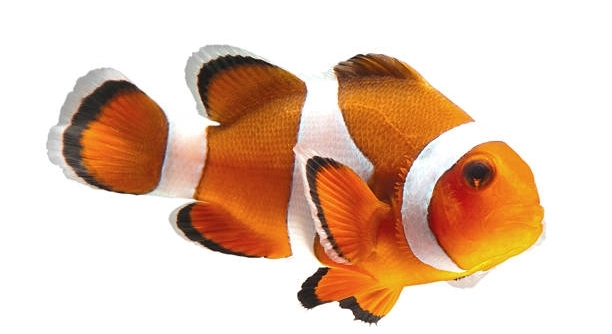
Have you ever set up a saltwater tank and wondered if your clownfish can thrive without all the usual equipment? Saltwater aquariums are exciting to start, but knowing what your fish truly need is important.
Clownfish can survive without a protein skimmer, but it requires careful tank maintenance, including regular water changes and close monitoring of water quality to ensure a stable, healthy environment for the fish.
Learning how to maintain clean water and reduce waste buildup will help you create a suitable home for your clownfish without relying on extra gear.
Why Some Clownfish Tanks Go Without a Protein Skimmer
Some people choose not to use a protein skimmer in their clownfish tanks, especially in smaller setups or nano reefs. Skimmers help remove waste before it breaks down, but they aren’t always necessary if you’re consistent with tank care. With proper filtration, regular water changes, and a light fish load, clownfish can live comfortably in a skimmer-free environment. These fish are hardy and adapt well, making them a popular choice for simple tanks. If you don’t overfeed or overcrowd, the tank stays more stable. Testing your water often is important so you can catch problems early. A clean tank with live rock and a working biological filter supports a healthy system. You’ll still need to clean algae, remove uneaten food, and vacuum the substrate from time to time. Skimmer-free setups may require a bit more attention, but they can work well with the right approach and a steady routine.
Some hobbyists prefer a quieter, more budget-friendly setup and find that clownfish adjust well when care is consistent and the tank isn’t overstocked.
It’s all about balance. Skimmers can help, but they’re not the only way to keep your water clean and your clownfish thriving. Other methods can work just as well if done right.
What to Watch For in a Skimmer-Free Tank
Keeping the tank stable without a skimmer means staying on top of everything. Water quality can shift quickly, especially in smaller tanks.
Ammonia, nitrite, and nitrate are the key things to watch. Test your water often and keep up with partial water changes—usually around 10–20% weekly. Make sure your filtration is strong enough for the tank size and bioload. Live rock and bio-media help keep things in check, but overfeeding and poor cleaning habits can cause spikes in waste. Without a skimmer pulling out organic buildup, waste stays in the tank longer. This can affect oxygen levels and cause algae to grow more easily. You’ll need to be more hands-on with cleaning. Rinsing filter pads, vacuuming gravel, and trimming algae are all part of the routine. If your tank starts smelling or the water looks cloudy, it’s a sign something needs to be fixed. Clownfish may survive these shifts, but stress weakens their immune system. With steady care, though, they can thrive without the extra equipment.
How to Maintain Clean Water Without a Skimmer
You’ll need to rely on regular water changes and efficient filtration. Aim to change 10–20% of the water each week. This helps remove waste, replenish minerals, and keep nitrate levels under control, all without needing a skimmer.
Mechanical filters like sponges or filter pads trap solid waste and should be cleaned weekly. Biological filters help break down ammonia and nitrite, so keeping them healthy is key. Live rock also supports beneficial bacteria and adds surface area for filtration. Avoid overfeeding, as leftover food quickly decays and adds to waste. Use a turkey baster or siphon to remove debris from hard-to-reach spots. You might also consider adding macroalgae or using chemical filtration like activated carbon to improve water clarity. These extra steps make a big difference in a skimmer-free tank. A bit more effort goes a long way in keeping the water safe for your clownfish.
Stick to a routine. Consistency helps prevent sudden changes in water quality. Use a reliable test kit once or twice a week to track ammonia, nitrite, nitrate, and pH. Don’t let debris collect on the sand or in corners. Gently stir the substrate now and then to avoid buildup. Keep things stable, and your clownfish will stay healthy.
Signs That Your Clownfish Tank Needs More Support
If your clownfish start acting differently—like swimming near the surface, hiding more often, or breathing heavily—it could mean the water quality is dropping. Cloudy water, a strong smell, or excessive algae growth are also signs that your tank may need extra help.
Fish waste, uneaten food, and decaying plant matter can all affect the tank if not handled quickly. If you notice any of these issues, test your water right away. High ammonia or nitrite levels mean it’s time for a larger water change and filter check. Nitrate above 40 ppm can cause long-term stress for your clownfish. Even if they’re tough fish, poor water conditions will wear them down over time. Sometimes, just cleaning more often isn’t enough. In that case, adding a protein skimmer or upgrading your filtration can help. Watch your fish closely. Their behavior often tells you when something’s wrong before your test kit does.
Other Tools That Can Help
Using a hang-on-back filter or a canister filter can give your tank a solid boost. These filters remove waste and improve circulation, which helps keep the water oxygen-rich and clear for your clownfish.
Adding live rock also supports helpful bacteria. It naturally filters the tank and creates hiding spots, which can lower stress.
When a Skimmer Might Still Be Useful
A protein skimmer can be helpful if your tank is heavily stocked or if you feed often. It removes dissolved organic waste before it breaks down, keeping nitrate levels lower and water cleaner. In larger tanks, or setups with sensitive corals or invertebrates, a skimmer adds an extra layer of stability. If you’re having trouble keeping your water parameters in range despite good care, a skimmer might make things easier. It can also reduce algae growth by removing nutrients that algae feed on. While not essential for clownfish, it becomes more useful as the tank becomes more complex.
Final Thoughts Before You Decide
Clownfish can live well without a skimmer, but you need to stay consistent with tank care and watch the water closely.
FAQ
Can clownfish live in a tank without a filter or skimmer?
Clownfish are hardy, but they still need basic filtration. While they might survive short-term in a tank without a filter or skimmer, it’s not safe long-term. Waste builds up quickly, leading to toxic ammonia and nitrite. Without filtration, you’d need to change water daily and watch levels closely. A sponge filter or hang-on-back filter is the minimum recommended. A skimmer is optional, but helpful for reducing waste buildup. If you skip both, you’ll need to be extra diligent with cleaning, feeding, and water testing.
How often should I change water in a tank without a skimmer?
In a tank without a skimmer, weekly water changes are very important. Aim to change 10–20% of the water every week. This helps remove dissolved waste and keeps the water chemistry stable. In smaller tanks, or if you feed heavily, you might need to change water twice a week. Skimmer-free tanks depend on you to remove waste manually. Skipping water changes leads to nitrate buildup, algae growth, and fish stress. Clean filters regularly and siphon the substrate to remove uneaten food and fish waste.
Do clownfish produce a lot of waste?
Clownfish are considered low to moderate waste producers. They’re not as messy as larger saltwater fish, but they still add to the bioload of your tank. Overfeeding, poor filtration, or a small tank can cause waste to build up faster than the system can handle. While one or two clownfish in a 10- to 20-gallon tank can usually be managed with basic care, skipping skimmers means you must be more watchful of ammonia and nitrate levels. Keep feedings light and clean up leftovers quickly to avoid problems.
Is a protein skimmer necessary for a nano reef with clownfish?
No, a protein skimmer is not strictly necessary in a nano reef with clownfish, but it can make care easier. In small tanks, water quality can shift fast. Without a skimmer, you’ll need to rely on live rock, frequent water changes, and a solid filtration system. Many people successfully run nano reefs without a skimmer by sticking to a light bioload and staying on schedule with maintenance. However, if you’re adding corals or more fish, a skimmer may help keep the water cleaner and more stable.
What are the signs of poor water quality in a skimmer-free tank?
Cloudy water, strong odors, green algae, or excessive film on the surface can all point to poor water quality. Your clownfish might breathe quickly, hide more, or stop eating if something is wrong. High ammonia, nitrite, or nitrate levels are common in skimmer-free tanks when maintenance is skipped or filters get clogged. Testing the water weekly helps you spot changes before they become serious. Watch your clownfish closely—they often show signs of stress before problems appear in your test results.
Can I use live plants or macroalgae instead of a protein skimmer?
Yes, macroalgae like chaetomorpha can help reduce nutrients in your tank by absorbing nitrate and phosphate. These types of algae grow in refugiums or separate sections of the tank and are especially helpful in tanks without skimmers. They don’t replace all the work a skimmer does, but they do help keep the water cleaner. Some people also use live rock with good flow to increase natural filtration. Just remember that even with plants or algae, you still need regular maintenance and water testing.
Is it easier to run a tank with a protein skimmer?
In many cases, yes. A protein skimmer removes dissolved organic compounds before they break down into harmful substances. This reduces the load on your biological and mechanical filtration. It also helps keep the water clearer and can reduce how often you need to change the water. For beginners or those with less time, a skimmer adds a layer of protection. That said, it’s still possible to maintain a healthy tank without one—it just takes more effort and attention to detail.
Final Thoughts
Keeping clownfish without a protein skimmer is possible, but it does require more hands-on care. These fish are hardy and can adapt well to different setups, including simple tanks with basic filtration. However, skipping the skimmer means you’ll need to be more consistent with water changes, cleaning, and testing. A clean and stable tank is the key to keeping your clownfish healthy. Skimmers are useful because they remove waste before it breaks down, but they are not the only way to keep your water safe. With the right setup and a steady routine, many people run successful skimmer-free tanks.
Before deciding to leave out a skimmer, think about how much time you can give to tank care. If you enjoy doing regular maintenance and keeping a close eye on your fish and water quality, then going without a skimmer may work well for you. But if you travel often, get busy, or tend to forget weekly tasks, then a skimmer can help reduce some of the pressure. It’s also important to keep your fish load low and avoid overfeeding, since extra waste builds up faster without a skimmer. Every tank is different, so what works for one person might not work for another.
In the end, it’s all about balance. You don’t need to buy every piece of equipment right away. Start with what you can manage, and build from there as you learn what your tank needs. If your clownfish are active, eating well, and your water stays clear with good test results, then you’re likely doing things right. Whether you use a protein skimmer or not, the goal is to create a stable, healthy space for your clownfish to live. A simple setup can be just as successful as a complex one, as long as it is cared for properly. Stick with what works for your routine, and your clownfish will thank you with bright colors and steady behavior.

Hello,
If you enjoy the content that we create, please consider saying a "Thank You!" by leaving a tip.
Every little bit helps us continue crafting quality advice that supports the health, happiness, and well-being of pets around the world, for pets of all shapes, sizes, and species.
We really appreciate the kindness and support that you show us!