
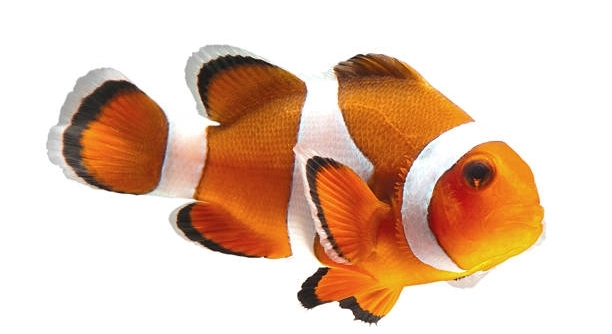
Clownfish are fascinating creatures known for their bright colors and unique behaviors. Many people keep them as pets and enjoy watching their interactions. Understanding how clownfish bond can help create a better environment for them.
A strong clownfish bond is indicated by consistent close swimming, shared territory defense, mutual cleaning behaviors, synchronized movements, gentle physical contact, joint feeding, and coordinated responses to threats. These signs reflect trust, cooperation, and social connection within pairs or groups.
Recognizing these signs will help you appreciate clownfish behavior and support their wellbeing in your aquarium.
Close Swimming and Territory Sharing
Clownfish that have formed a strong bond often swim closely together. You will notice them staying near one another most of the time, especially around their shared home, such as a sea anemone or a specific part of the tank. This close swimming shows comfort and trust between the fish. They also defend their shared territory as a team, chasing away intruders or other fish that come too close. This teamwork helps keep their environment safe and stable. Watching clownfish swim side by side is a clear sign they have established a strong connection. It also means they feel secure enough to cooperate on protecting their space, which is important for their survival and wellbeing.
This behavior is one of the most obvious signs of a bonded clownfish pair or group. Their unity makes their home safer.
Strong bonds often form through these shared experiences and protective actions around their home.
Mutual Cleaning and Physical Contact
Mutual cleaning is a behavior where clownfish gently pick parasites or debris off each other’s bodies. This shows care and helps maintain their health. When they do this regularly, it is a clear sign of trust between them. Along with cleaning, gentle physical contact like nudging or brushing fins also signals closeness. These small interactions build and strengthen their social bond.
The presence of these actions indicates a healthy relationship between clownfish.
Mutual grooming and physical touch play a key role in clownfish bonding by reinforcing social ties. These behaviors not only keep the fish clean but also reduce stress and increase comfort in their shared environment. When clownfish engage in such contact, it shows they accept and rely on each other. This cooperation is important in maintaining harmony and balance within their group or pair. Over time, these interactions deepen their connection and improve their ability to work together in defending territory and finding food.
Synchronized Movements
Clownfish with strong bonds often move together in a coordinated way. Their swimming patterns become synchronized, showing they are aware of each other’s actions and intentions. This behavior helps them stay connected and respond quickly to their environment.
Synchronized swimming is more than just a habit; it is a sign of deep social connection. When clownfish move in harmony, they show trust and cooperation. This coordination can be seen during feeding times or when avoiding danger. Moving together helps them protect their territory more effectively and reduces stress by maintaining a sense of safety. It also strengthens their bond because it requires attention and understanding between the fish.
Over time, these synchronized movements become smoother and more natural. They rely on one another’s signals to navigate the tank or reef, which shows how important their relationship is for daily survival.
Joint Feeding Behavior
Clownfish that share a strong bond often feed side by side or take turns eating. This behavior reflects cooperation and reduces competition for food. It also indicates a level of trust where each fish respects the other’s access to resources.
Feeding together shows a mutual understanding and willingness to share, which helps maintain peace within their group. In some cases, one clownfish may even guide the other to food, signaling concern and care. This teamwork can improve their overall health since they make sure both get enough to eat.
This shared feeding behavior is important because it strengthens their connection and encourages cooperation beyond just survival. It builds a reliable partnership that supports their wellbeing in the tank or natural environment. Through feeding side by side, clownfish demonstrate respect and care for one another.
Coordinated Responses to Threats
Clownfish in a strong bond react together when facing danger. They quickly align their movements and position to protect each other and their territory.
This shared response helps keep them safe and shows their level of trust and cooperation during stressful situations.
Gentle Physical Contact
Regular gentle touches, such as fin brushing or nudging, are common between bonded clownfish. These actions maintain their connection and reassure each other.
Such contact reduces tension and strengthens their social bond, making their relationship more stable and supportive.
Shared Territory Defense
Bonded clownfish actively guard their home together, chasing away intruders and keeping their environment secure. This teamwork protects vital resources and shelter.
Mutual Trust
The foundation of a strong clownfish bond is trust, which grows through repeated positive interactions and shared experiences in their environment.
FAQ
How can I tell if my clownfish are bonded?
Bonded clownfish show several clear behaviors. They swim closely together, share territory, clean each other, and move in sync. You might also notice gentle touches like nudging and coordinated feeding. These signs mean they trust and rely on each other. Watching these behaviors regularly helps confirm their bond.
What causes clownfish to bond?
Clownfish bond through shared experiences like defending their territory, feeding, and grooming. Spending time together in a stable environment encourages trust and cooperation. When their home is safe and food is available, they develop stronger social connections naturally.
Can clownfish bond with different species?
While clownfish primarily bond with their own kind, they sometimes show social behaviors with other species sharing the same environment. However, strong bonds like synchronized swimming or mutual cleaning are mostly seen between clownfish pairs or groups.
Does a strong bond affect clownfish health?
Yes, bonded clownfish tend to experience less stress because they feel secure with one another. Their cooperative behaviors, like joint defense and feeding, also support their wellbeing. Stress reduction through bonding can improve immune responses and overall vitality.
How long does it take for clownfish to form a bond?
Bond formation varies depending on the environment and individual fish personalities. It can take weeks or even months for strong bonds to develop. Consistent interaction, shared territory, and stable conditions help speed up the process.
What should I do if my clownfish aren’t bonding?
If clownfish do not bond, ensure their tank setup mimics their natural environment, including proper hiding places and stable water conditions. Avoid overcrowding and provide enough food to reduce competition. Sometimes, simply giving them time and space helps.
Can clownfish bonds break?
Yes, clownfish bonds can weaken or break if one fish becomes ill, stressed, or removed from the environment. Changes in tank conditions or introducing aggressive fish may also disrupt their connection.
Do bonded clownfish breed better?
Strong bonds improve breeding success. When clownfish trust each other, they are more likely to mate and care for their eggs together. Their cooperation helps protect offspring and maintain a healthy family group.
Is it necessary to have a bonded pair in an aquarium?
Having a bonded pair can improve the social atmosphere and reduce aggression in the tank. However, clownfish can also live alone or in groups with varying dynamics. Bonded pairs usually show calmer behavior and better cooperation.
How can I encourage bonding in clownfish?
Provide a peaceful, well-maintained tank with plenty of space and hiding spots. Feed regularly and avoid stressing the fish with sudden changes. Keeping a stable environment helps clownfish feel secure enough to build bonds naturally.
Understanding the signs of a strong clownfish bond helps in creating a better environment for these fascinating fish. Clownfish rely on trust, cooperation, and mutual care to thrive, and recognizing their behaviors can improve how we care for them. When clownfish swim closely, clean each other, and move together, it shows they have formed meaningful connections. These bonds are important because they provide comfort and safety, which are essential for their wellbeing. Observing these behaviors allows aquarium owners to see how healthy and happy their fish are, making it easier to support their natural needs.
Maintaining a strong bond between clownfish requires a stable and stress-free environment. Proper tank setup, consistent feeding, and avoiding overcrowding all play a role in helping clownfish build and keep their relationships. Bonded clownfish work together to defend their territory and share resources, which lowers stress and promotes better health. It is also important to be patient because forming bonds takes time, sometimes weeks or months. Knowing what to look for and how to encourage positive interactions can make a significant difference in the overall atmosphere of the aquarium.
Taking care of bonded clownfish pairs or groups brings more than just visual enjoyment. These social connections help the fish handle challenges better and even increase their chances of breeding successfully. When clownfish feel safe with one another, they live more peacefully and show natural behaviors that are rewarding to observe. Paying attention to their social signs and providing proper care can lead to a healthier, more balanced aquatic environment. In the end, understanding clownfish bonds not only benefits the fish but also enriches the experience of keeping them.

Hello,
If you enjoy the content that we create, please consider saying a "Thank You!" by leaving a tip.
Every little bit helps us continue crafting quality advice that supports the health, happiness, and well-being of pets around the world, for pets of all shapes, sizes, and species.
We really appreciate the kindness and support that you show us!