
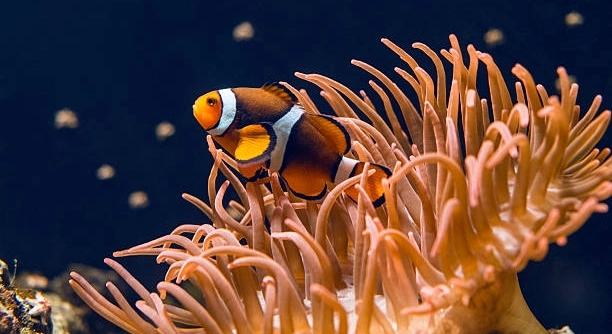
Clownfish are known for their bright colors and playful movements in the ocean. Sometimes, you might notice them swimming face down, which can seem unusual or even concerning at first glance. This behavior has specific reasons tied to their natural habits.
Clownfish swimming face down is typically a result of resting or maintaining balance among anemone tentacles. This position helps them stay safe from predators and remain close to their protective host, contributing to their survival and comfort within their environment.
Understanding why clownfish adopt this posture reveals interesting aspects of their relationship with anemones and their behavior in the wild. This insight adds to appreciating their unique place in the marine ecosystem.
Why Clownfish Swim Face Down
Clownfish often swim face down to rest safely among the tentacles of sea anemones. These tentacles offer protection from predators because of their stinging cells, which clownfish are immune to. By positioning themselves face down, clownfish can tuck into the anemone’s structure, reducing exposure and making it harder for threats to reach them. This behavior also helps clownfish stay balanced in the water while minimizing energy use during rest periods. Face-down swimming is common when the fish are calm and not actively searching for food or defending their territory. This posture allows them to blend more effectively with their surroundings. Over time, clownfish have adapted to rely heavily on anemones for safety, and this resting position is a key part of that relationship.
Swimming face down in anemones helps clownfish avoid danger while conserving energy. It is a natural and necessary behavior for their survival.
This protective resting method demonstrates the strong connection between clownfish and their host anemones. Recognizing this behavior helps us understand how these fish thrive in their habitats.
How Clownfish Maintain Balance
Clownfish use their fins and body position to maintain balance while swimming face down. Their small size and flexible fins allow precise control over movements. By adjusting fin angles and body tilt, they keep steady even in currents. This control is crucial when nestled in anemone tentacles, where space is limited and stability is needed to avoid injury. The fish’s swim bladder also helps regulate buoyancy, making it easier to hold a face-down position without tiring. This balance mechanism supports their ability to rest and stay safe without wasting energy on constant movement. Additionally, the structure of the anemone provides a firm anchor point, making it easier for clownfish to maintain this posture for longer periods.
Balance control enables clownfish to rest securely without drifting away or getting hurt.
The combination of physical adaptations and environmental support allows clownfish to adopt the face-down posture comfortably. This stability is essential to their daily routine and survival strategy.
Interaction with Anemones
Clownfish rely on sea anemones for shelter and protection. Their face-down swimming keeps them close to the anemone’s tentacles, ensuring safety from predators.
The relationship between clownfish and anemones is mutually beneficial. Clownfish receive protection by swimming among the anemone’s stinging tentacles, which deter predators. In return, clownfish help the anemone by cleaning its tentacles and providing nutrients through their waste. This symbiotic interaction allows both species to thrive. Swimming face down keeps clownfish firmly anchored in the tentacles, making this connection stronger and more secure.
This close interaction influences clownfish behavior, encouraging them to maintain positions that maximize safety. The face-down posture supports their role in this unique partnership and highlights their dependence on anemones for survival.
Environmental Factors Affecting Clownfish Behavior
Water currents and temperature changes can influence clownfish swimming patterns. When currents are strong, swimming face down helps them stay stable and avoid being swept away.
Environmental conditions shape clownfish movements by affecting their comfort and safety. Cooler water may encourage more resting and face-down swimming as fish conserve energy. Conversely, warmer water might increase activity, reducing the time spent in a resting position. Currents around coral reefs also impact where clownfish choose to stay, often pushing them closer to their protective anemones. These factors interact to shape daily clownfish behavior, making the face-down position a flexible response to external challenges.
Understanding these environmental influences helps explain why clownfish adopt certain postures and behaviors to stay safe and comfortable in changing conditions.
Significance of Face-Down Swimming
Face-down swimming allows clownfish to stay hidden and protected within their anemone homes. This position reduces their visibility to predators and increases their chances of survival.
It also helps clownfish conserve energy. Resting in this way requires less effort compared to swimming upright against currents or in open water, making it a practical choice.
Role of Swim Bladder in Positioning
The swim bladder is a gas-filled organ that helps clownfish control buoyancy. By adjusting the amount of gas, they can maintain their position face down without sinking or floating uncontrollably.
This ability to regulate buoyancy aids in the clownfish’s ability to stay close to anemones, making face-down swimming a stable and energy-efficient behavior.
How Face-Down Swimming Protects Clownfish
This posture minimizes exposure to predators by keeping clownfish tucked among anemone tentacles. It makes it harder for threats to spot or reach them, enhancing their defense.
FAQ
Why do clownfish swim face down more often in certain tanks or aquariums?
Clownfish tend to swim face down more in tanks with strong currents or limited hiding spots. This position helps them stay stable and feel secure, especially when they can’t fully rely on anemones for protection. In captivity, they may also adopt this behavior to conserve energy or reduce stress caused by unfamiliar surroundings.
Is face-down swimming a sign that a clownfish is sick or stressed?
Not necessarily. Face-down swimming is often a natural resting position, especially when clownfish are near their anemones. However, if it is combined with other signs such as loss of appetite, discoloration, or lethargy, it could indicate illness or stress. Monitoring other behaviors and water conditions helps determine if a health problem exists.
Do all clownfish species swim face down?
Most clownfish species show face-down swimming behavior because of their symbiotic relationship with anemones. However, the frequency and exact posture can vary depending on the species and their environment. Some species spend more time actively swimming or hiding differently, depending on their habitat and local threats.
Can clownfish survive without anemones if they swim face down?
While clownfish can survive without anemones in captivity, their face-down swimming behavior is less common or less effective without the protection anemones provide. In the wild, anemones offer crucial shelter, and without them, clownfish are more vulnerable to predators and stress.
How does face-down swimming help clownfish in their natural habitat?
Swimming face down helps clownfish stay close to anemone tentacles, which protect them from predators with their stinging cells. This position also lets clownfish conserve energy by reducing the need to swim actively. It strengthens their bond with anemones and allows them to rest safely in a protected spot.
What other behaviors are associated with clownfish swimming face down?
Clownfish often pair face-down swimming with gentle fin movements to stay balanced and slight shifts in position to adjust to water currents. They might also groom themselves or interact gently with their anemone while resting. These calm behaviors indicate comfort and safety rather than distress.
Does face-down swimming affect clownfish feeding habits?
Not directly. Clownfish typically swim upright when searching for food or defending their territory. Face-down swimming is mainly for resting or protection. When hungry, clownfish become more active and leave their resting position to find food either in the open water or near their host anemones.
How do water quality and tank conditions influence face-down swimming?
Poor water quality or unsuitable tank conditions can stress clownfish, causing them to change their swimming patterns. Face-down swimming might increase if fish feel threatened or tired. Maintaining clean water, proper temperature, and a stable environment helps clownfish feel secure and maintain natural behaviors.
Are there other fish species that swim face down like clownfish?
Some fish may swim face down temporarily, but it is not a common resting posture for most species. Clownfish’s behavior is closely linked to their symbiotic relationship with anemones. Other fish might adopt different positions or hiding strategies to stay safe and conserve energy.
Can face-down swimming be encouraged or discouraged in home aquariums?
Providing anemones or similar hiding spots encourages natural behaviors, including face-down swimming. Ensuring stable water conditions and gentle currents also supports this behavior. Discouraging it usually means removing protective shelters or creating a stressful environment, which is not recommended for the fish’s well-being.
Clownfish swimming face down is a natural and important behavior connected to their survival. This posture helps them stay close to their protective anemones, where they find safety from predators. By swimming face down, clownfish reduce their visibility and conserve energy, which is essential for living in their ocean habitat. This behavior also highlights the strong relationship clownfish have with anemones, showing how both species benefit from each other’s presence. Understanding why clownfish swim face down allows us to appreciate their unique adaptations and the role these small fish play in their environment.
In both the wild and captivity, face-down swimming supports clownfish by helping them maintain balance and stability. Their swim bladder and flexible fins allow them to stay in this position without much effort. This resting posture is more than just a way to relax; it is a strategy for coping with currents, conserving energy, and avoiding threats. When water conditions change, such as shifts in temperature or stronger currents, clownfish adjust their swimming patterns but often return to this face-down posture for comfort and protection. This flexibility is part of what helps clownfish thrive in different environments.
Recognizing the importance of face-down swimming also informs how we care for clownfish in aquariums. Providing anemones or safe hiding spots encourages natural behavior and reduces stress. Maintaining good water quality and stable tank conditions is essential for clownfish health and comfort. When these factors are in place, clownfish are more likely to show their typical behaviors, including swimming face down. This understanding helps both hobbyists and researchers support the well-being of clownfish while respecting their natural habits and environment.

Hello,
If you enjoy the content that we create, please consider saying a "Thank You!" by leaving a tip.
Every little bit helps us continue crafting quality advice that supports the health, happiness, and well-being of pets around the world, for pets of all shapes, sizes, and species.
We really appreciate the kindness and support that you show us!