
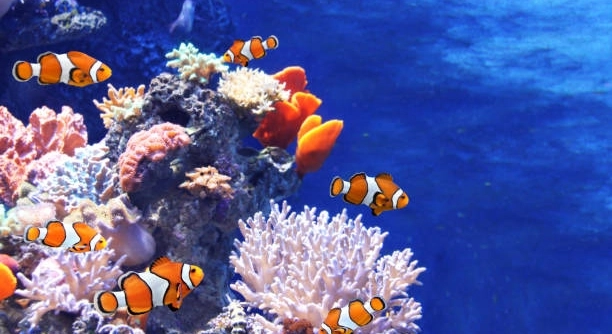
Clownfish are popular pets for many aquarium enthusiasts. Their bright colors and unique behaviors make them appealing. However, caring for clownfish requires understanding their specific water needs to keep them healthy and thriving in captivity.
Clownfish cannot live in untreated tap water due to its chemical composition, including chlorine and heavy metals, which are harmful to them. Properly conditioned and filtered water is essential for their survival and well-being in a home aquarium.
Knowing the right water conditions is important to maintain a safe environment for clownfish. This article will explain how to prepare water and provide tips for their care.
Why Tap Water Is Harmful to Clownfish
Tap water contains chemicals like chlorine and chloramine, which are added to make it safe for human use but are toxic to fish. These substances can damage clownfish gills and skin, leading to stress or even death. Heavy metals and impurities in tap water can also disrupt the delicate balance of their aquatic environment. Simply filling an aquarium with tap water without treating it can create a harmful habitat.
To keep clownfish healthy, the water must be properly conditioned. This involves using water conditioners that neutralize chlorine and chloramine. Testing the water regularly for pH, ammonia, and nitrite levels is also necessary, as these can fluctuate and harm fish. The right water parameters help maintain oxygen levels and promote a stable ecosystem in the tank, which is crucial for clownfish wellbeing.
Understanding these risks emphasizes the importance of water treatment. Preparing water correctly supports the fish’s natural defenses and prevents illness. This care ensures the aquarium remains a safe home and helps the clownfish thrive over time.
Using Water Conditioners Effectively
Water conditioners remove harmful chemicals from tap water before adding it to the tank.
Choosing the right conditioner is essential, as some products only remove chlorine while others target both chlorine and chloramine. Follow the dosage instructions carefully, based on tank size. Overdosing can cause problems, while underdosing leaves harmful substances in the water. Conditioners also sometimes detoxify heavy metals and improve water quality.
In addition to conditioners, allowing tap water to sit for 24 hours can help chlorine dissipate naturally, but this does not affect chloramine. Regularly checking water quality with test kits is important, especially in new tanks or after water changes. Maintaining stable conditions through proper treatment and monitoring creates a safe environment for clownfish and supports their health consistently.
Preparing Tap Water for Clownfish
Treating tap water properly is essential before adding it to the tank. Using a water conditioner neutralizes harmful chemicals and makes the water safe.
After conditioning, adjust the water temperature to match the tank, usually between 75 and 82 degrees Fahrenheit. This prevents shock to the clownfish. Testing the water’s pH is also important; it should be between 7.8 and 8.4 for clownfish. If the pH is off, using buffers can help maintain stability.
Let the treated water sit for at least 24 hours with proper aeration. This allows gases to balance and helps the chlorine dissipate if not fully removed by conditioners. Checking ammonia, nitrite, and nitrate levels ensures the water is safe and ready for clownfish. Proper preparation reduces stress and supports their health.
Maintaining Water Quality in the Aquarium
Regular water changes help keep water quality stable. Changing 10-20% weekly prevents buildup of harmful substances.
Monitoring water parameters consistently is necessary to catch any issues early. Using test kits to check ammonia, nitrite, nitrate, and pH keeps conditions ideal. Keeping the tank clean by removing uneaten food and waste reduces toxins. Proper filtration supports biological balance by breaking down harmful chemicals. Aeration is also important to maintain oxygen levels, especially in smaller tanks. Following these practices keeps the aquarium safe and comfortable for clownfish, promoting a long and healthy life.
Common Mistakes with Tap Water
Using untreated tap water is the most frequent mistake made by beginners. This exposes clownfish to harmful chemicals.
Overlooking regular water testing can lead to unnoticed toxic buildup. Both mistakes can cause stress and illness in clownfish.
The Role of Filtration Systems
A good filtration system removes waste, toxins, and harmful substances from the aquarium water. It supports beneficial bacteria that break down ammonia and nitrites, which are dangerous to clownfish. Without proper filtration, water quality quickly deteriorates, risking the fish’s health. Filters also help circulate water and increase oxygen levels, contributing to a stable environment. Choosing the right filter type depends on tank size and setup, but regular maintenance is key to keeping the system effective.
Signs of Poor Water Quality
Clownfish may show signs of stress like faded color, sluggish movement, or labored breathing when water quality is poor.
FAQ
Can clownfish survive if I use tap water without conditioner?
No, clownfish cannot survive in untreated tap water. Chemicals like chlorine and chloramine are harmful and can damage their gills and skin quickly. These chemicals stress the fish and often lead to illness or death. Using a water conditioner is essential to neutralize these toxins before adding tap water to the tank.
How do I know if my tap water is safe for clownfish?
Tap water safety depends on its chemical composition, which varies by location. Testing your water with a kit for chlorine, chloramine, pH, ammonia, and heavy metals is important. Even if tap water looks clear, these substances can still harm fish. Using a good water conditioner and regular testing will ensure safety.
Is it enough to let tap water sit out to make it safe?
Letting tap water sit for 24 hours can help chlorine evaporate but does not remove chloramine, which is more stable. Because many water supplies use chloramine, sitting water alone is not enough. Always use a water conditioner that targets both chlorine and chloramine for safe water.
How often should I change water in my clownfish tank?
Water changes of about 10-20% should be done weekly. This helps remove waste, excess nutrients, and toxins that build up over time. Regular water changes maintain water quality and reduce stress on clownfish, supporting their health and longevity.
What pH level is best for clownfish?
Clownfish thrive in a slightly alkaline environment. The ideal pH range is between 7.8 and 8.4. Maintaining this pH helps support their metabolism and overall health. If pH levels drift outside this range, using buffers can help stabilize the water.
Can I use distilled or reverse osmosis (RO) water instead of tap water?
Distilled or RO water is very pure but lacks essential minerals that clownfish need. If you use this water, you must add marine salts and minerals to create the proper environment. Pure distilled water alone is not suitable without these additives.
What happens if ammonia or nitrite levels rise in the tank?
Ammonia and nitrites are highly toxic to clownfish, even at low levels. Elevated levels can cause respiratory problems, damage gills, and lead to death. Proper filtration and regular water changes are key to keeping these chemicals at safe levels.
How do I treat new tap water before adding it to the tank?
First, add a water conditioner to neutralize chlorine and chloramine. Then, adjust the water temperature to match the tank. Test and adjust pH if needed. Let the water sit with aeration for at least 24 hours before adding it to the aquarium to ensure stability.
Can I use salt in tap water for clownfish?
Marine salt mixes are necessary to create seawater conditions suitable for clownfish. You cannot just add regular table salt. Use a quality marine salt mix according to the instructions to ensure the water’s salinity is correct.
Is it okay to mix tap water with seawater from the ocean?
Collecting seawater from the ocean is risky due to pollutants and pathogens. It’s safer to use prepared marine salt mixes with treated tap water. This ensures controlled and safe water conditions for your clownfish.
How often should I test the water in my clownfish tank?
Testing water weekly is recommended, especially for ammonia, nitrite, nitrate, and pH. In new tanks or after water changes, test more frequently to catch any problems early. Maintaining consistent water parameters prevents health issues.
Can I use tap water directly in a quarantine tank for clownfish?
No, even in quarantine tanks, tap water must be conditioned. Untreated water can cause stress and illness, defeating the purpose of quarantine. Always treat and test water before adding fish.
What are the signs that my clownfish is stressed due to water issues?
Signs include faded or dull colors, hiding more than usual, gasping at the surface, rapid gill movement, and loss of appetite. These symptoms often indicate poor water quality or incorrect parameters.
Can tap water hardness affect clownfish health?
Yes, water hardness influences mineral availability and pH stability. Clownfish prefer moderate hardness levels similar to natural seawater. Extremely soft or hard water can cause stress and affect their health over time.
Is it safe to use tap water for cleaning aquarium equipment?
Yes, tap water is fine for rinsing equipment, but avoid using soaps or detergents. Always rinse thoroughly to remove any residues that could harm fish. Using conditioned water for rinsing is not necessary.
How long should I wait after treating tap water before adding clownfish?
Waiting at least 24 hours after treatment allows chemicals to neutralize fully and water parameters to stabilize. This reduces shock risk and helps clownfish adjust smoothly to their environment.
Clownfish are fascinating and beautiful creatures to keep in an aquarium, but their care requires attention to detail, especially when it comes to water quality. Tap water straight from the faucet is not safe for clownfish because it contains chemicals that can harm them. Before adding tap water to their tank, it needs to be treated with the proper water conditioners that remove chlorine, chloramine, and other harmful substances. Without this step, clownfish can become stressed or sick, which affects their health and longevity. Understanding the importance of preparing water correctly is the foundation for successfully keeping clownfish at home.
Maintaining stable water conditions is equally important. Regular water testing and water changes help prevent the buildup of harmful chemicals like ammonia and nitrites, which can quickly reach dangerous levels if left unchecked. A good filtration system also supports water quality by breaking down waste and circulating oxygen. By paying attention to water temperature, pH, and salinity, and adjusting these parameters when necessary, you create a stable and safe environment for clownfish. This consistent care reduces stress and promotes healthy behavior, vibrant colors, and longer life for the fish.
In summary, using treated and conditioned water rather than untreated tap water is crucial when caring for clownfish. Preparing the water carefully, monitoring it regularly, and maintaining the aquarium properly help ensure the fish’s well-being. While it may seem like extra work at first, these steps become a normal part of fishkeeping. Over time, they allow you to enjoy a thriving aquarium with happy, healthy clownfish that brighten your space and bring satisfaction to your aquarium care routine.

Hello,
If you enjoy the content that we create, please consider saying a "Thank You!" by leaving a tip.
Every little bit helps us continue crafting quality advice that supports the health, happiness, and well-being of pets around the world, for pets of all shapes, sizes, and species.
We really appreciate the kindness and support that you show us!