
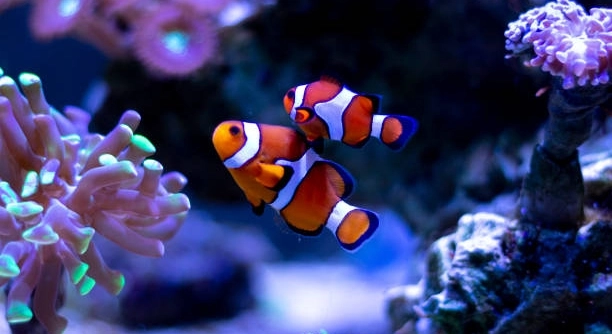
Have you ever noticed colorful clownfish swimming around coral reefs and wondered about their unusual behaviors? These small fish have unique social structures and fascinating ways of living that set them apart from many other sea creatures. Their ability to adapt to their environment is truly remarkable.
Clownfish do change sex during their lifetime. They are born male and have the ability to become female if the dominant female in their group dies. This process is known as sequential hermaphroditism and helps maintain social order within their groups.
Learning about how clownfish change sex helps us better understand their complex social systems and survival strategies in the wild. This insight reveals a fascinating part of marine life that many people don’t often consider.
How Clownfish Live in Groups
Clownfish live in small groups called harems, usually with one female, a few males, and many juveniles. The female is the biggest and most dominant fish in the group. She is the only one to lay eggs. The other clownfish are males, and they help protect the eggs and the group. When the female dies or is removed, the largest male changes sex and becomes the new female. This change takes weeks and involves physical and behavioral adjustments. The new female then controls the group, and the social order remains stable. This system allows clownfish to keep their population strong and healthy even if a female disappears. Their lives are closely linked to this ability, which is rare among many fish species. Understanding this group behavior helps explain why clownfish are often seen living closely together near sea anemones, which provide shelter.
Clownfish rely on this social structure for survival and reproduction.
This system of dominance and sex change ensures a stable breeding environment. Each group has only one breeding female, which helps reduce fights and competition. The males accept their roles, knowing they might become female later. The process is natural and important for maintaining their population. Their relationship with sea anemones adds protection, making their life easier in the dangerous ocean. This balance keeps clownfish thriving on coral reefs.
The Science Behind Sex Change in Clownfish
The sex change in clownfish is controlled by hormones triggered by social cues. When the female is gone, the largest male’s body begins producing more estrogen, causing it to develop female reproductive organs. This change also affects behavior, as the male starts acting like a female, showing dominance and guarding the territory. The transformation is gradual and can take from a few weeks up to two months. During this time, the fish may be more vulnerable because of the physical changes happening inside. Scientists study this process closely to learn more about how animals adapt to their environment through biology. This natural flexibility is a smart way for clownfish to ensure the survival of their group and species.
Hormonal shifts are the key driver of sex change in clownfish.
This biological process is known as protandry, where an organism changes from male to female. It happens only when necessary to keep the group functioning well. The clownfish’s brain and body work together to switch roles, showing an impressive example of nature’s adaptability. This ability is rare but essential in some fish species that depend on social structure for reproduction. The more we understand this, the better we appreciate the delicate balance of marine life.
Why Clownfish Change Sex
Clownfish change sex to keep their social groups stable and ensure reproduction continues smoothly. Without this ability, a group might lose its only breeding female and stop reproducing.
This change keeps the harem structure intact. When the female dies, the largest male steps up, becoming female to fill the gap. This ensures there is always one dominant female to lay eggs. It helps avoid fights and confusion among the group members. The males accept this system because it gives them a chance to become female later in life. This natural order keeps clownfish populations healthy and balanced, even in challenging conditions. It’s a clever way to adapt to the changing needs of the group.
The process also prevents the loss of breeding power in the group. Instead of searching for a new female, the males adapt. This minimizes disruption and supports the survival of their species. It is an efficient way nature designed to protect their future.
How Scientists Study Clownfish Sex Change
Scientists observe clownfish in aquariums and in the wild to learn about their sex change. They watch how the fish behave when the female is removed and measure hormone levels during the process.
By studying these changes, researchers understand how hormones control the sex switch. They track physical changes, like how the fish’s reproductive organs develop and how behavior shifts. This research helps explain similar processes in other fish species. It also shows how environmental factors might influence this change. The knowledge gained can help in conservation efforts, especially as coral reefs face threats. Understanding clownfish biology helps protect these colorful fish and their habitats.
Clownfish and Their Sea Anemone Homes
Clownfish live closely with sea anemones, which provide protection from predators. The anemones’ stinging tentacles keep other fish away, while clownfish are immune to their sting. This relationship is a key part of clownfish survival.
The anemones also benefit by getting food scraps from the clownfish. This mutual relationship helps both species thrive in coral reefs.
Impact of Environment on Sex Change
Environmental factors like water temperature and pollution can affect clownfish behavior and reproduction. Changes in their habitat may influence how often sex change occurs. Stress from environmental threats could slow or disrupt this process. Protecting coral reefs is important for clownfish health and reproduction.
Clownfish in Aquariums
In captivity, clownfish still show the ability to change sex. Their social groups and environment in tanks help trigger this natural behavior. Observing clownfish in aquariums has given scientists more insight into their biology and social structure.
Other Fish That Change Sex
Many fish species can change sex, but not all follow the same patterns. Some change from female to male, while clownfish do the opposite. These adaptations help fish survive and reproduce in different environments.
What causes clownfish to change sex?
Clownfish change sex mainly due to social reasons. In their groups, there is one dominant female and several males. If the female dies or is removed, the largest male will change sex to become female. This happens through hormonal changes triggered by the absence of the female. The switch helps keep the group stable and ensures reproduction continues without interruption.
How long does it take for a clownfish to change sex?
The process usually takes a few weeks to two months. During this time, the male’s body gradually develops female reproductive organs, and its behavior shifts to that of a dominant female. The transition is slow because the fish’s body needs time to adjust both physically and hormonally. It is not an instant change but a carefully timed transformation.
Can clownfish change sex more than once?
No, clownfish typically change sex only once in their lifetime. They start as males and can become females, but once they become female, they do not switch back. This one-way change fits their social system where only one female leads a group, while the others remain males.
Do all clownfish species change sex?
Yes, all species of clownfish show this ability to change sex. It is a common trait among clownfish that helps maintain their social groups. The exact timing and details may vary slightly depending on the species, but the basic process is the same across different clownfish types.
Does the environment affect the sex change process?
Yes, environmental conditions can influence the process. Stress from pollution, changes in water temperature, or habitat loss can affect how well the clownfish change sex. A healthy reef environment supports normal social behavior and reproductive functions, making the sex change process smoother and more successful.
How do hormones control the sex change in clownfish?
Hormones play a key role in the sex change. When the dominant female is gone, the male’s body reduces male hormones like testosterone and increases female hormones such as estrogen. This shift causes physical changes like developing ovaries instead of testes. Hormones also change the fish’s behavior to take on the female role in the group.
Can clownfish breed with each other after changing sex?
Yes, clownfish reproduce successfully after the sex change. The new female pairs with one of the males in the group to lay eggs. This keeps the group breeding regularly and ensures the survival of their population. The sex change makes sure there is always a female ready to reproduce.
Is the sex change process painful or stressful for clownfish?
The process is natural and part of their biology, so it is not considered painful like an injury. However, it may be stressful because the fish undergoes many changes. During this time, the fish might be more vulnerable to predators or illness, but their behavior usually adapts to protect themselves.
How do clownfish protect their eggs?
The female clownfish lays eggs on flat surfaces near their sea anemone home. The male then guards and cleans the eggs until they hatch. Both parents stay close to the eggs to protect them from predators. This teamwork increases the chance that more young clownfish survive.
Why don’t clownfish all become females?
Only the largest male changes to female because there is space for just one breeding female in the group. If all males became females, the social order would break down. This system helps reduce competition and keeps the group balanced. The males accept their roles with the chance to become female in the future.
Do clownfish in aquariums change sex the same way as in the wild?
Yes, clownfish in aquariums also change sex when the social structure calls for it. Even in tanks, if the dominant female is removed, the largest male will become female. This shows the sex change is triggered by social cues, not just environmental ones. Aquarium studies help scientists understand this process better.
Are there other animals that change sex like clownfish?
Yes, many fish species and some other animals can change sex. Some change from female to male, while others go from male to female like clownfish. This ability helps animals adapt to their environment and social situations to improve survival and reproduction.
Can humans learn from clownfish sex changes?
Studying clownfish sex changes helps scientists learn about hormones, genetics, and animal behavior. While humans do not change sex naturally like clownfish, research on these fish can improve understanding of biology and medicine, especially related to hormone functions and development.
What happens if the female clownfish does not die?
If the female remains in the group, no males will change sex. The social order stays the same, with the female leading and males supporting. The presence of the female suppresses hormone changes in males, preventing unnecessary sex change and keeping the group stable.
How do clownfish know when to change sex?
Clownfish detect the absence of the female through changes in social interactions and behavior within the group. The largest male notices that the female is gone and begins hormonal changes to take her place. This social cue triggers the sex change process naturally.
Clownfish are fascinating creatures because of their ability to change sex. This unique trait helps them survive and keep their groups stable. They live in small groups where only one female lays eggs, and the rest are males. If the female dies, the largest male changes into a female to take over her role. This change is controlled by hormones and takes some time to complete. It shows how nature finds ways to keep animals thriving even when situations change.
The process of changing sex is not common among most animals, but it is very useful for clownfish. It helps avoid fights over who gets to be the female and ensures that the group can always reproduce. This system also means that the fish don’t waste energy looking for new partners outside their group. Instead, they rely on the males becoming females when needed. It’s a natural balance that supports the survival of the species in coral reefs, which can be tough environments.
Understanding how clownfish change sex gives us a better view of how animals adapt to their surroundings. It also reminds us of the importance of protecting coral reefs and the ocean’s environment. When habitats are healthy, clownfish can follow their natural behaviors without stress or disruption. Learning about these fish and their way of life can deepen our respect for nature’s complexity. It encourages us to take care of the oceans so these small but amazing creatures can continue to live and grow.

Hello,
If you enjoy the content that we create, please consider saying a "Thank You!" by leaving a tip.
Every little bit helps us continue crafting quality advice that supports the health, happiness, and well-being of pets around the world, for pets of all shapes, sizes, and species.
We really appreciate the kindness and support that you show us!