
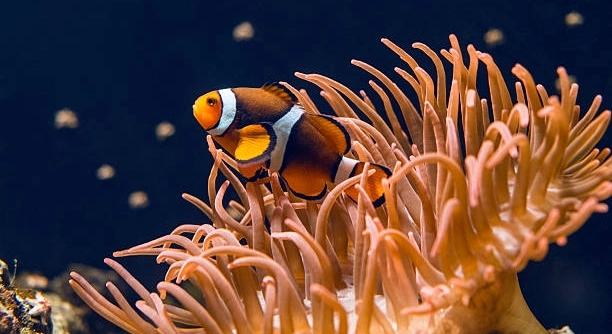
Clownfish are popular aquarium fish known for their bright colors and close relationship with sea anemones. Many people enjoy watching their behavior but may wonder about their activity patterns. Understanding when clownfish are most active can help in caring for them properly.
Clownfish are generally more active during the day. They use daylight hours to swim, feed, and interact with their environment. At night, their activity decreases as they rest and stay close to their protective anemones.
Knowing when clownfish are most active can improve your observation and care routines. This insight helps create a better environment suited to their natural behavior.
Why Clownfish Are More Active During the Day
Clownfish are diurnal, meaning they are active during the day and rest at night. During daylight, they swim around their anemones, looking for food and exploring their surroundings. Their bright colors are more visible in sunlight, helping them communicate and stay alert to danger. The light also helps them find food like plankton and small invertebrates. At night, they become less active to conserve energy and avoid predators. Staying close to their anemones provides safety and shelter. Their resting behavior resembles sleep in other animals, allowing them to recover. This daily rhythm matches the natural environment of coral reefs, where daylight drives most marine life activity. Understanding this cycle can help aquarium keepers provide lighting and feeding schedules that suit the fish’s natural habits.
Clownfish depend on light for activity and feeding, which explains their daytime energy levels and nighttime rest.
Adjusting tank lighting to mimic natural daylight supports their health and natural behavior patterns well.
How Light Affects Clownfish Behavior
Clownfish react strongly to changes in light. When the lights turn on, they become more active, swimming and feeding more eagerly. Without light, they slow down and settle near their anemones for safety. This behavior is natural and important for their survival. In captivity, keeping a consistent light cycle helps maintain this natural rhythm. Sudden changes or long periods of darkness can cause stress and affect their activity levels. Proper lighting also encourages their symbiotic relationship with anemones, which need light to thrive. Aquariums that simulate natural daylight cycles see healthier, more active clownfish. Besides light, other factors like water temperature and tank mates also influence their behavior. Providing a stable environment with good lighting can keep clownfish active and comfortable in both home and public tanks.
Feeding Patterns and Activity Levels
Clownfish feed mostly during the day when they are most active. Their natural diet includes plankton and small crustaceans, which are easier to find in daylight. Feeding times influence their swimming and foraging behavior.
In captivity, feeding clownfish during daylight hours matches their natural activity. They become more energetic and explore the tank while searching for food. If feeding occurs at night, they may not respond well and stay hidden. Proper feeding schedules also help maintain their health and reduce stress. Watching their feeding behavior during the day reveals their lively and curious nature. Regular daytime feeding supports their natural rhythm and encourages interaction with their environment.
Even when not feeding, clownfish spend daylight hours swimming actively and cleaning their anemones. At night, they reduce movement, conserving energy and remaining near shelter.
Environmental Factors Influencing Activity
Water temperature directly affects clownfish activity. Cooler water slows their movements, while warmer water encourages more swimming. Stable temperatures are key for consistent behavior. Changes in water quality or tank conditions can also cause stress, reducing activity. Noise and tank disturbances may make clownfish hide more often. They respond best to a calm, steady environment that mimics natural reef conditions. Proper tank maintenance keeps clownfish healthy and active. Creating an environment free of sudden changes supports their natural behavior and wellbeing.
Social Behavior and Activity
Clownfish are social creatures and their activity often depends on interactions with others. They are usually more active when engaging with their group or defending their territory.
Aggressive or dominant behavior can increase movement during the day. At night, social activity slows down as they rest close together for safety.
Impact of Tank Size on Activity
A larger tank allows clownfish more space to swim and explore, encouraging natural activity levels. Smaller tanks can restrict movement, making them less active. Providing enough room helps mimic their natural habitat and reduces stress.
Recognizing Signs of Stress
Decreased activity or hiding may indicate stress. Changes in behavior can signal problems with the environment or health.
Natural Resting Habits
Clownfish rest near anemones at night to stay safe and conserve energy. This resting phase is crucial for their well-being.
FAQ
Are clownfish active at night?
Clownfish are much less active at night compared to daytime. They spend the night resting near or inside their host anemones. This behavior helps them stay protected from predators when visibility is low. Although they may move occasionally, their main activity happens during daylight hours.
Why do clownfish stay close to anemones at night?
Anemones provide safety and shelter for clownfish. At night, when they are less active and more vulnerable, clownfish rely on the stinging tentacles of anemones for protection. This close relationship is essential for their survival and comfort.
How does light affect clownfish behavior?
Light triggers activity in clownfish. When the aquarium lights turn on, clownfish become more alert, swim actively, and search for food. Without light, they tend to slow down and rest. A consistent light cycle helps maintain their natural rhythm and overall health.
Can clownfish survive without anemones?
While clownfish naturally live with anemones, they can survive without them in captivity. However, anemones provide comfort and security, reducing stress. Without anemones, clownfish may behave more cautiously and hide more often to feel safe.
Do clownfish sleep?
Yes, clownfish do sleep. Their sleep is not like ours but more like a restful state with reduced movement and responsiveness. They typically rest at night near their anemones, conserving energy and preparing for the next day’s activities.
How often should clownfish be fed?
Clownfish should be fed once or twice a day, preferably during the daytime when they are most active. Feeding them regularly during daylight supports their natural habits and keeps them healthy. Overfeeding can lead to poor water quality, so portion control is important.
What tank conditions help keep clownfish active?
Stable water temperature between 75°F and 82°F, clean water, and proper lighting encourage clownfish activity. A calm environment without sudden noises or disturbances also helps. Larger tanks with plenty of space and hiding spots improve their comfort and movement.
Why do clownfish sometimes hide?
Clownfish hide when they feel stressed, threatened, or uncomfortable. Changes in water quality, tank mates, or lighting can cause this behavior. Hiding is their way to stay safe. Identifying and fixing the cause usually brings them back to normal activity.
Can clownfish adapt to different light cycles?
Clownfish can adjust to different light schedules, but sudden changes may cause stress and inactivity. Gradual changes in lighting help them adapt better. Mimicking natural day and night cycles is best for maintaining their normal activity patterns.
How do tank mates affect clownfish activity?
Tank mates influence clownfish behavior. Peaceful companions encourage normal activity, while aggressive fish cause stress and hiding. Proper selection of tank mates creates a harmonious environment that supports clownfish’s natural behavior and well-being.
What signs show a healthy, active clownfish?
A healthy clownfish swims actively during the day, responds to feeding, and interacts with its environment and tank mates. Bright colors, clear eyes, and smooth movements also indicate good health. Lack of activity or hiding often signals stress or illness.
Can clownfish be active at night if disturbed?
If disturbed at night, clownfish might briefly become active. However, this is unusual and stressful for them. Consistent rest periods are important for their health, so avoiding night disturbances helps keep them calm and active during the day.
Does the size of the anemone affect clownfish activity?
Larger anemones give clownfish more space to move and rest safely, which can increase their comfort and activity. Smaller or unhealthy anemones may limit their movement and cause stress, leading to less activity overall.
How important is routine for clownfish activity?
Routine is very important. Clownfish thrive on consistent feeding, lighting, and tank maintenance schedules. Predictability reduces stress and encourages natural behaviors. Sudden changes can disrupt their activity and health.
What should I do if my clownfish is inactive during the day?
Check water quality, tank temperature, lighting, and tank mates first. Inactivity can signal stress, illness, or poor conditions. Adjusting the environment, ensuring proper feeding, and observing behavior closely will help return your clownfish to normal activity. If problems persist, consulting a vet or aquarium specialist is recommended.
Clownfish are fascinating creatures with clear patterns of activity that mostly happen during the day. Their natural behavior is shaped by the environment they live in, where daylight helps them find food, swim around, and interact with other fish. At night, they slow down and rest close to their host anemones to stay safe. This daily cycle of being active during the day and resting at night is important for their health and well-being. Understanding this natural rhythm helps aquarium owners create a better habitat for clownfish, allowing them to thrive.
In captivity, it is important to mimic the clownfish’s natural environment as closely as possible. This means keeping a regular light cycle that matches daylight hours, providing enough space for them to swim, and feeding them during the day when they are most alert. Tank conditions like water temperature, quality, and peaceful tank mates also play a big role in how active clownfish will be. When these factors are in balance, clownfish show more natural and lively behavior. Sudden changes in their environment can cause stress and reduce activity, so consistency is key for their comfort.
Overall, knowing that clownfish are daytime animals helps guide better care and observation. By following their natural routines and needs, aquarium owners can enjoy watching their bright, active fish during the day and understand why they rest at night. Paying attention to light, feeding, and environment not only supports clownfish activity but also keeps them healthy for the long term. This simple knowledge can make a big difference in creating a happy home for clownfish.

Hello,
If you enjoy the content that we create, please consider saying a "Thank You!" by leaving a tip.
Every little bit helps us continue crafting quality advice that supports the health, happiness, and well-being of pets around the world, for pets of all shapes, sizes, and species.
We really appreciate the kindness and support that you show us!