
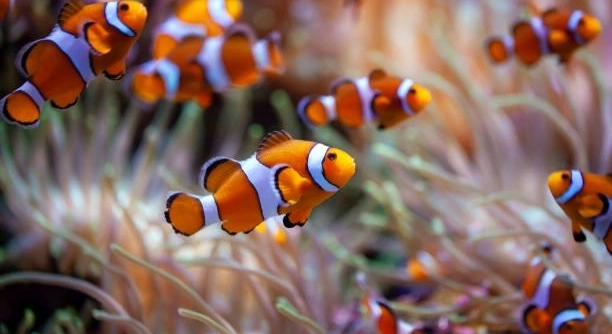
Clownfish are popular pets in home aquariums, loved for their bright colors and playful nature. Sometimes, they behave differently, such as hiding in places like the filter. This behavior can worry many fish owners.
Clownfish often hide in the filter because they feel stressed, scared, or unwell. Environmental factors like water quality, tank conditions, or aggressive tank mates can cause them to seek shelter in safer, quieter spots like the filter area.
Understanding why your clownfish hides can help you improve its environment and well-being. There are simple steps you can take to make your fish feel more comfortable and secure in its home.
Common Reasons Your Clownfish Hides in the Filter
Clownfish may hide in the filter for several straightforward reasons. Stress is one of the main causes, often due to changes in the tank environment. New decorations, water temperature shifts, or recent additions to the tank can make the fish feel uneasy. Another reason is poor water quality. High levels of ammonia or nitrites can make the fish uncomfortable, causing it to find refuge where it feels safer. Sometimes, clownfish hide because of aggressive tank mates. If another fish is bullying them or competing for food, the clownfish may retreat to the filter area for protection. Finally, illness or injury can make clownfish less active and more likely to hide. Noticing these signs early can help prevent bigger problems later on.
Water conditions and tank companions play key roles in your clownfish’s comfort level.
If you notice persistent hiding, test the water for ammonia, nitrite, and nitrate levels. Regular water changes and maintaining stable temperatures can improve your fish’s environment. Remove aggressive fish or separate them if needed. Also, observe your clownfish for signs of illness like faded color or slow movement. Providing plenty of hiding spots outside the filter can help your fish feel more secure. Adding live plants or small caves offers safer areas for retreat, reducing stress and encouraging normal activity. Ensuring the tank is balanced and peaceful supports your clownfish’s health and happiness.
How to Improve Your Clownfish’s Environment
Changing the tank setup can help reduce your clownfish’s need to hide. Clean the filter regularly to avoid blockages or poor water flow that can cause discomfort. Add decorations that provide shade and cover, creating a calm space away from the filter. Keep the tank at a stable temperature between 75°F and 82°F, which suits most clownfish. Feeding a varied diet with quality food also strengthens their health and boosts their energy.
By maintaining a clean, stable tank and offering safe hiding spots, you support your clownfish’s natural behavior without forcing it to hide in the filter. Monitoring water quality weekly is essential to catch issues early. Introduce tank mates carefully, choosing peaceful species that will not stress your clownfish. Small changes in your care routine can make a big difference, helping your clownfish feel safe and active in its home. This improves both its well-being and your enjoyment of the aquarium.
Signs Your Clownfish Is Stressed or Sick
Hiding in the filter is often a sign your clownfish is stressed or sick. Look for other symptoms like loss of color, lack of appetite, or sluggish swimming.
Stress can come from changes in water quality or tank mates. Illnesses like ich or fin rot also cause hiding. Your clownfish may appear pale, have clamped fins, or scratch against objects. These signs show the fish is uncomfortable and trying to protect itself. Immediate action is needed to prevent the condition from worsening. Testing water and checking tank conditions are important first steps. If illness is suspected, treatment with aquarium-safe medicine can help restore health.
Keep an eye on your fish’s behavior daily. Early recognition of stress or sickness can save your clownfish. Avoid overcrowding the tank and keep up with regular maintenance. Reducing stress improves recovery chances. When your clownfish feels safe, it will spend less time hiding and more time swimming confidently.
Improving Tank Conditions to Reduce Hiding
Stable water conditions are vital for your clownfish’s comfort. Regular water testing ensures ammonia, nitrite, and nitrate levels remain safe. Changing 10-20% of the water weekly helps keep these parameters balanced. Proper filtration prevents buildup of harmful chemicals and keeps water clear. Avoid sudden temperature swings by using a reliable heater. Maintaining temperatures around 78°F is best.
Tank layout also affects your clownfish’s sense of security. Provide plenty of rocks, coral, or decorations that offer safe hiding places outside the filter. This allows your fish to retreat without stress. Avoid aggressive tank mates that could chase or bully your clownfish. Peaceful companions create a calm environment where hiding is less necessary.
With steady care and a balanced tank setup, your clownfish will feel more relaxed and spend less time in the filter. Consistency in maintenance and environment leads to healthier, happier fish.
The Role of Tank Mates in Clownfish Behavior
Tank mates can influence your clownfish’s hiding habits. Aggressive or territorial fish may cause stress, pushing your clownfish to seek shelter in the filter.
Choosing peaceful companions helps reduce anxiety and encourages your clownfish to explore the tank more freely without fear.
Adjusting Feeding Habits
Proper feeding supports your clownfish’s health and energy. Feed small amounts two to three times daily, avoiding overfeeding. Uneaten food can pollute the tank and cause water quality issues. A varied diet of pellets, flakes, and occasional frozen foods helps meet nutritional needs and keeps your fish active and less likely to hide.
When to Seek Professional Help
If your clownfish continues to hide despite improving tank conditions and feeding, it may need expert care. Persistent hiding can signal serious health issues that require diagnosis and treatment from a vet or experienced aquarist.
Creating a Comfortable Environment
A calm and stable tank environment encourages your clownfish to feel safe and reduces hiding behavior.
FAQ
Why does my clownfish suddenly hide in the filter?
Sudden hiding usually means your clownfish is stressed or scared. Changes in water quality, temperature, or tank setup can upset it. New or aggressive tank mates might also make your clownfish feel threatened, so it seeks shelter in the filter for safety.
How can I tell if my clownfish is sick?
Look for signs like faded colors, clamped fins, slow movement, or loss of appetite. If your clownfish scratches against objects or shows white spots, it may have an illness such as ich. Hiding combined with these symptoms often means your fish needs care.
Is it normal for clownfish to hide sometimes?
Yes, occasional hiding is normal. Clownfish use hiding spots to feel safe, especially at night or when resting. But constant hiding, especially in the filter, often signals stress, poor water quality, or illness that needs attention.
Can poor water quality cause hiding?
Absolutely. High ammonia, nitrite, or nitrate levels make clownfish uncomfortable and stressed. Poor water can damage their health, so hiding is a natural response. Testing and keeping water clean with regular changes can reduce hiding.
How often should I test the water?
Testing weekly is a good habit. Check ammonia, nitrites, nitrates, and pH levels. Stable water parameters help keep your clownfish healthy and less likely to hide.
What temperature is best for clownfish?
Clownfish thrive in temperatures between 75°F and 82°F. Keep the water steady around 78°F to avoid stress. Sudden temperature drops or spikes can cause hiding and health problems.
Can tank mates cause my clownfish to hide?
Yes, aggressive or territorial fish can stress your clownfish. If it feels threatened, it will hide more. Choose peaceful species to keep the tank calm and your clownfish comfortable.
How do I reduce stress in my clownfish?
Maintain good water quality, stable temperature, and proper tank mates. Provide plenty of hiding spots outside the filter. Feed a balanced diet regularly and avoid overcrowding the tank.
Is hiding a sign of aggression in clownfish?
Hiding usually means fear, not aggression. Clownfish may hide to avoid conflict or when they feel unsafe. Aggressive behavior typically involves chasing or nipping, not hiding.
What should I do if my clownfish is injured?
An injured clownfish might hide more to recover. Check for wounds or torn fins. Keep the tank clean and consider separating the injured fish to avoid further stress. Consult a vet for treatment options if needed.
Can changing tank decorations cause hiding?
Yes, rearranging the tank can stress clownfish. They rely on familiar surroundings to feel safe. After changes, they might hide more until they adjust. Try to make changes gradually.
How important is lighting for clownfish comfort?
Proper lighting supports natural behavior. Too bright or constant light can stress your fish, causing hiding. Use a day-night cycle with some shaded areas to help them feel secure.
When should I consider moving my clownfish?
If your clownfish constantly hides due to aggressive tank mates or poor tank conditions, moving it to a better environment may be necessary. A peaceful, well-maintained tank helps clownfish thrive.
Does hiding affect my clownfish’s health?
Frequent hiding itself doesn’t harm the fish, but it signals underlying problems like stress or illness. Addressing these issues helps improve your clownfish’s overall health and happiness.
Can diet influence hiding behavior?
Yes, poor nutrition can weaken your clownfish, making it lethargic and more likely to hide. Feeding a varied, high-quality diet keeps them active and healthy.
What are safe hiding spots besides the filter?
Provide caves, coral, or plants as alternative shelters. These spots help your clownfish feel secure without needing to hide in the filter, reducing stress.
How do I know if my clownfish is comfortable?
A comfortable clownfish swims actively, eats well, and explores the tank. It uses hiding spots but doesn’t stay hidden for long periods. Bright colors and smooth fins are also good signs.
Can I use medicine if my clownfish is sick?
Yes, but only after identifying the illness. Use aquarium-safe medicines as directed. Overuse or wrong medication can harm your fish and tank environment.
How long does it take for a clownfish to stop hiding?
It depends on the cause. With proper care, improved water conditions, and a peaceful tank, your clownfish may stop hiding within days or weeks. Patience is important.
Is it normal for clownfish to hide in the filter during cleaning?
Sometimes clownfish hide more during tank cleaning because of disturbance. Try to be gentle and keep cleaning quick to reduce stress.
What can I do to encourage my clownfish to explore more?
Keep the tank calm, provide hiding places, feed well, and avoid sudden changes. Gradually your clownfish will feel secure enough to swim freely.
Can overcrowding cause hiding?
Yes, overcrowded tanks increase competition and stress, causing clownfish to hide more. Maintain an appropriate fish population for your tank size.
Is hiding behavior different between clownfish species?
Some species are naturally more shy or territorial, which affects hiding habits. Know your clownfish type to better understand its behavior.
How does water flow affect clownfish hiding?
Too strong or weak water flow can stress clownfish. They prefer moderate currents. Adjust filter flow to create comfortable swimming conditions.
What signs mean it’s time to get help from an expert?
If hiding lasts weeks with no improvement, or if your clownfish shows severe symptoms like bleeding, heavy breathing, or extreme lethargy, consult a vet or experienced aquarist. Early help can save your fish.
Clownfish hiding in the filter can be a sign that something in their environment is not quite right. It often shows that the fish feels stressed, scared, or uncomfortable. Factors like water quality, tank mates, temperature, and illness all play a role in their behavior. By paying close attention to these things, you can help your clownfish feel safer and less likely to hide. It is important to keep the tank clean, stable, and peaceful to support their health and happiness.
Taking simple steps like testing water regularly, providing plenty of hiding spots, and choosing calm tank mates can make a big difference. When your clownfish has safe places to retreat, it will not need to use the filter as a shelter. Also, feeding your fish a balanced diet keeps them strong and active. Watching for signs of sickness early allows you to act quickly and prevent problems from becoming worse. Small changes in how you care for your clownfish can improve its well-being and reduce stress.
Remember that hiding is usually a response to the environment and not a sign of something wrong with the fish itself. Creating a stable and comfortable home for your clownfish helps it feel secure and enjoy its tank. Over time, with proper care, your fish will be more likely to explore and swim freely instead of hiding. Keeping these points in mind will help you provide the best possible environment for your clownfish to thrive.

Hello,
If you enjoy the content that we create, please consider saying a "Thank You!" by leaving a tip.
Every little bit helps us continue crafting quality advice that supports the health, happiness, and well-being of pets around the world, for pets of all shapes, sizes, and species.
We really appreciate the kindness and support that you show us!