
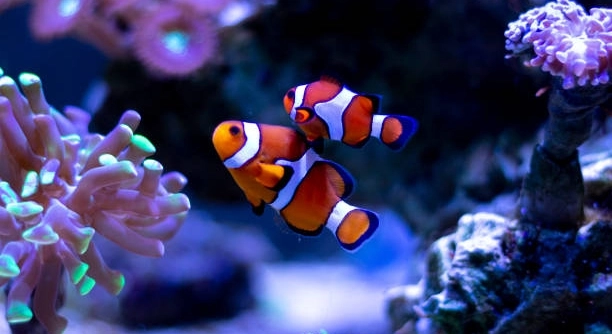
Clownfish are fascinating creatures known for their bright colors and close relationship with sea anemones. Their mating habits are less understood by many, even among marine life enthusiasts. Learning about these behaviors reveals surprising facts.
Clownfish mating involves complex social structures, including a strict hierarchy where only the dominant female and male reproduce. When the female dies, the dominant male changes sex to become female, maintaining the group’s reproductive balance.
Exploring these unusual traits helps us appreciate the unique ways clownfish survive and thrive in their underwater homes.
The Role of Social Hierarchy in Clownfish Mating
Clownfish live in groups with a clear social structure. Each group has one dominant female, one breeding male, and several non-breeding males. The dominant female is the largest fish, and she controls the group. If she dies or disappears, the breeding male will change sex and become the new female. Then, the largest non-breeding male will take over as the breeding male. This system keeps the group balanced and ensures there is always a pair ready to reproduce. It’s an unusual and fascinating way to keep the population steady, especially since clownfish live in small territories among sea anemones. The social hierarchy affects everything from mating rights to survival, making clownfish different from many other fish species.
This social system allows clownfish to adapt quickly when a change occurs, helping them maintain their numbers in the wild.
Understanding this hierarchy sheds light on how clownfish keep their populations healthy and stable.
How Clownfish Change Sex
Clownfish are born male but have the ability to change into females. This happens when the dominant female in the group dies or is removed. The breeding male then changes sex to become female. This transformation involves physical, behavioral, and hormonal changes that allow the fish to take on the role of the dominant female. Meanwhile, the largest non-breeding male steps up to become the new breeding male. This sex change process is unique and vital for clownfish survival because it keeps the mating pair active and ready to reproduce without delay. The ability to change sex helps maintain balance and stability within the group’s social structure, ensuring that breeding can continue smoothly in their small and often crowded habitats. It’s a natural solution to the problem of losing a key member of the group.
Mating Rituals of Clownfish
Clownfish perform a series of courtship behaviors before mating. These include chasing, biting gently, and swimming together in tight circles. These rituals help strengthen the bond between the pair.
The pair often cleans the area around their chosen nesting site, usually on a flat surface near the anemone. This cleaning removes algae and debris, preparing a safe place for the female to lay eggs. The male guards the site closely, fanning the eggs with his fins to keep them well-oxygenated. The courtship process can last several days, showing just how much care clownfish put into reproduction. Their rituals are essential for the success of their offspring.
After mating, the male continues to watch over the eggs until they hatch. This active care increases the survival chances of the young fish, which face many threats in their environment.
The Importance of Sea Anemones
Clownfish depend heavily on sea anemones for protection and breeding. The anemone’s stinging tentacles keep predators away, making it a safe place to lay eggs.
The relationship between clownfish and sea anemones is mutual. The clownfish get shelter, while the anemone benefits from food scraps and improved water circulation caused by the fish’s movement. This partnership is critical during mating because eggs are laid close to or under the anemone’s tentacles. Without this protection, eggs would be more vulnerable to predators. The symbiotic relationship also influences clownfish behavior, as they rarely stray far from their host anemone. Understanding this connection explains why clownfish are often seen near these specific sea creatures in the ocean.
Egg Care by the Male Clownfish
Male clownfish take full responsibility for guarding the eggs. They protect them from predators and keep them clean.
They also fan the eggs with their fins to provide oxygen. This care lasts until the eggs hatch, usually in about a week.
Timing of Clownfish Mating
Clownfish usually mate during the warmer months, when conditions are best for egg survival. This timing helps ensure the young have the highest chance of thriving.
Mating often occurs early in the morning. The pair follows a routine of cleaning the nest and courting before the female lays eggs.
Clownfish Communication During Mating
Clownfish use sounds and body movements to communicate. These signals help coordinate courtship and mating activities. The sounds can include pops and clicks, which are important for strengthening pair bonds.
Impact of Environment on Mating
Environmental factors like water temperature, pollution, and habitat destruction can affect clownfish mating success. Healthy reefs are essential for maintaining their population.
FAQ
How long do clownfish stay with their eggs?
Male clownfish care for the eggs until they hatch, usually about six to eight days. During this time, the male stays near the nest, fanning the eggs to provide oxygen and guarding them against predators. This dedication helps improve the chances of survival for the young.
Can clownfish mate outside their sea anemone home?
Clownfish rarely stray far from their host anemone, as it offers protection from predators. They usually lay eggs on flat surfaces close to or under the anemone’s tentacles. The safety the anemone provides is vital for the eggs’ survival, so mating generally happens within this safe zone.
Do all clownfish change sex?
Yes, clownfish are born male and have the ability to change into females, but this only happens when the dominant female dies or disappears. The breeding male will then become female, while the largest non-breeding male steps up to breed. This system keeps the group balanced.
How do clownfish communicate during mating?
Clownfish use sounds like pops and clicks along with body movements to communicate. These signals help the pair coordinate courtship and mating. The sounds are especially important in strengthening the bond between the breeding male and female.
What happens if the dominant female dies during breeding?
If the dominant female dies, the breeding male changes sex to become the new female. The largest non-breeding male then takes over as the breeding male. This quick change helps maintain the group’s reproductive balance without interrupting mating.
How often do clownfish lay eggs?
Clownfish typically lay eggs every two to three weeks during the breeding season. They prefer warmer months when conditions are better for egg survival. The female lays hundreds of eggs each time, which the male then cares for until they hatch.
Are clownfish aggressive during mating?
Clownfish can show some aggression, especially during courtship and when guarding their eggs. They may chase or nip at intruders to protect their territory. This behavior helps ensure the safety of their eggs and strengthens the pair bond.
What role do sea anemones play in clownfish mating?
Sea anemones provide protection for clownfish and their eggs. The stinging tentacles keep predators away, creating a safe space for laying and guarding eggs. The mutual relationship benefits both species and is crucial for successful clownfish reproduction.
Can clownfish mate in captivity?
Yes, clownfish can mate in home aquariums if conditions are right. They need a stable environment with proper water quality and a safe place to lay eggs. Many aquarium owners have successfully bred clownfish by replicating their natural habitat.
How do environmental changes affect clownfish mating?
Changes in water temperature, pollution, and reef damage can hurt clownfish mating success. Poor conditions may reduce egg survival or disrupt the social structure needed for breeding. Protecting coral reefs is important to help clownfish continue to reproduce successfully.
Clownfish mating is a unique and interesting process that shows how well these fish have adapted to their environment. Their social structure and ability to change sex help keep their groups balanced and ensure that reproduction continues smoothly. This natural system is different from many other fish species and highlights the special role clownfish play in their underwater homes. Watching how they care for their eggs and protect their territory can give us a better understanding of their behaviors and needs.
The relationship between clownfish and sea anemones is also a key part of their mating success. The anemone offers a safe space for laying eggs and protection from predators. This partnership benefits both species and is an important reason why clownfish thrive in certain areas. Without healthy reefs and sea anemones, clownfish would have a much harder time reproducing and surviving. Protecting their habitat is essential to help maintain their populations in the wild.
Learning about clownfish mating helps us appreciate the complexity of nature, even in small fish. Their behaviors, social roles, and environmental needs remind us how different species rely on one another to survive. By understanding these details, we can better support conservation efforts and enjoy watching these bright and fascinating fish in their natural surroundings. Clownfish are more than just colorful sea creatures; they are part of a delicate balance in the ocean that deserves attention and care.

Hello,
If you enjoy the content that we create, please consider saying a "Thank You!" by leaving a tip.
Every little bit helps us continue crafting quality advice that supports the health, happiness, and well-being of pets around the world, for pets of all shapes, sizes, and species.
We really appreciate the kindness and support that you show us!