
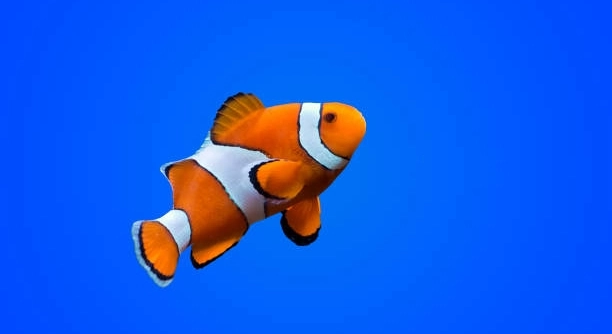
Clownfish live in groups with a clear social order. Within these groups, only one fish becomes female while the others remain male. This unique system helps maintain harmony and balance among them.
Clownfish decide which individual becomes female through size and dominance. The largest fish in the group changes sex from male to female when the previous female is removed or dies. This process is controlled by social cues and hormonal changes.
Understanding how clownfish organize their groups reveals much about their survival and reproduction strategies. This knowledge opens the door to learning more about their fascinating social behavior.
Social Hierarchy in Clownfish Groups
Clownfish live in small groups that have a strict social order. At the top is the dominant female, followed by a single breeding male, and then several non-breeding males. The largest fish in the group is always the female. If she disappears, the next largest male changes sex and takes her place. This social structure prevents conflict and ensures the group remains stable. The process of changing sex is triggered by the absence of the female, and it can take weeks. Hormones play a major role in this transformation, causing physical and behavioral changes. This system helps clownfish adapt to their environment by ensuring there is always a breeding female present. It also allows the group to respond quickly to changes, increasing their chances of survival.
The social hierarchy maintains balance within the group and supports successful reproduction.
Clownfish use both visual and chemical signals to communicate social status. Size is the main factor, but behavior also matters. The dominant female displays more aggressive behavior to maintain her position. Non-breeding males are submissive and avoid challenges. When the female is gone, the breeding male becomes more aggressive and starts changing physically. This change involves alterations in body color, reproductive organs, and hormones. The process is complex but ensures the group continues to function properly. Understanding these behaviors helps explain how clownfish maintain their populations in the wild.
Sex Change Mechanism in Clownfish
Sex change in clownfish is a natural biological process. When the female is removed, the breeding male undergoes hormonal changes that turn him into a female. This change is irreversible and involves the development of female reproductive organs. The other males remain male but move up in rank. This mechanism ensures there is always one breeding female in the group, which is essential for reproduction. The ability to change sex allows clownfish to adapt quickly to environmental pressures, such as the loss of a mate. It also reduces competition and aggression within the group.
The sex change process is controlled by hormones triggered by social cues.
The transformation begins with a drop in androgen levels and a rise in estrogen. This hormonal shift causes the breeding male’s testes to regress and ovaries to develop. Alongside physical changes, the fish’s behavior shifts to match its new role as a female. This includes defending territory and attracting mates. The sex change process can take several weeks, during which the fish gradually adopts its new identity. This remarkable ability is rare in the animal kingdom but vital for clownfish survival. It highlights the strong link between social structure and biology in these fish.
Environmental Influence on Clownfish Behavior
The environment plays a key role in clownfish social dynamics. Changes such as the loss of a female or shifting population densities influence which fish will change sex. These external factors trigger hormonal responses that guide the transition. The coral reef habitat also affects their behavior.
Clownfish live closely associated with sea anemones, which provide protection. This symbiotic relationship impacts their social structure because space and resources are limited. When a dominant female disappears, the breeding male senses this through changes in the environment and group behavior. This environmental feedback is crucial for initiating the sex change process. Additionally, factors like water temperature and food availability indirectly affect group stability and individual development. The delicate balance between environment and social cues ensures the clownfish group can adapt to challenges effectively.
Environmental pressures shape clownfish hierarchy by affecting access to resources and triggering behavioral shifts. This link between habitat and social roles helps clownfish maintain reproductive success under varying conditions.
Hormonal Regulation in Sex Change
Hormones regulate the complex process of sex change in clownfish. The main hormones involved are androgens and estrogens, which control reproductive organ development and behavior. Changes in hormone levels correspond to shifts in social status.
The process begins when androgen levels drop in the breeding male, reducing male characteristics. At the same time, estrogen levels rise, promoting female development. This hormonal change causes the testes to shrink and ovaries to form. Behaviorally, the fish becomes more aggressive and takes on the dominant female role within the group. These hormonal adjustments happen gradually, ensuring a smooth transition. The balance of hormones is tightly controlled by environmental and social signals, linking the fish’s biology to its position in the group.
Hormonal regulation is essential for coordinating the physical and behavioral changes required for a successful sex change. This biological system allows clownfish to respond rapidly to social needs and maintain group stability.
Role of Size in Female Selection
Size determines which clownfish becomes female. The largest fish in the group is always the female. When she is removed, the next largest male changes sex to take her place.
This size-based system helps prevent conflicts and maintains group order. Smaller males remain non-breeding members until their turn comes.
Social Signals and Communication
Clownfish use visual displays and behaviors to communicate status. The dominant female often shows aggression to reinforce her position. Submissive males avoid confrontation and show deference.
These social signals help maintain hierarchy and prevent constant fights, keeping the group stable.
Genetic Factors in Sex Change
Genetics influence how easily a clownfish can change sex. Some individuals may be more responsive to social and environmental triggers, affecting timing and success of the change.
Understanding genetic roles helps explain differences seen across various clownfish groups and species.
Impact of Group Size
Group size affects social dynamics and sex change timing. Larger groups tend to have more competition and slower changes, while smaller groups experience quicker transitions.
This balance ensures survival and reproductive success in different habitats.
How do clownfish decide who becomes female?
Clownfish live in groups with a clear social hierarchy. The largest fish in the group is the female, while the others are males. If the female is removed or dies, the next largest male changes sex and becomes female. This change is driven by social cues and hormones, triggered by the absence of the dominant female. Size and dominance are the key factors in this decision.
How long does it take for a clownfish to change sex?
The process of changing sex can take several weeks. It is gradual, involving hormonal shifts that alter reproductive organs and behavior. The fish moves from being a male to fully functioning as a female over time. The transition includes physical changes, such as the development of ovaries, and behavioral changes, like becoming more aggressive to defend territory.
Can any clownfish become female?
No, only the largest and most dominant male in the group will become female. Smaller males remain as non-breeding members until their size and status change. This system ensures only one female per group, which reduces conflict and supports stable reproduction.
What triggers the sex change in clownfish?
The sex change is triggered mainly by social cues—especially the removal or loss of the dominant female. The breeding male senses this absence and hormonal changes begin. Environmental factors, such as changes in population density or habitat conditions, can also influence the timing but the main trigger is social.
Are clownfish born male or female?
Clownfish are all born male. They have the ability to change sex later in life if the social situation requires it. This is known as protandry, where males transform into females depending on the group’s needs. This ability helps them adapt to changing group dynamics.
Is the sex change reversible?
No, once a clownfish changes from male to female, the change is permanent. The reproductive organs and hormones are permanently altered to function as female. The fish will remain female for the rest of its life.
How does the social hierarchy affect reproduction?
The social hierarchy controls who breeds and when. Only the dominant female and the breeding male reproduce. The non-breeding males wait their turn, keeping the group peaceful. This system maximizes reproductive success and reduces aggression among group members.
Do environmental changes affect clownfish sex change?
Yes, environmental changes like the loss of habitat or shifts in group size can impact social behavior and sex change timing. Clownfish depend on their coral reef homes, and disruptions may alter social cues. However, social structure remains the primary factor driving sex change.
What role do hormones play in sex change?
Hormones regulate the physical and behavioral changes during sex change. Androgen levels drop while estrogen rises, causing the breeding male to develop female reproductive organs and behaviors. This hormonal shift is essential for the transition and is controlled by social and environmental signals.
Are there other fish species that change sex like clownfish?
Yes, some fish species change sex, but the direction and triggers vary. Clownfish change from male to female, while others may change from female to male. This ability helps maintain balanced populations and maximize reproduction in different species.
How do clownfish communicate their social status?
Clownfish use visual signals, body language, and behavior to show dominance or submission. The female is more aggressive and defends her position. Males show submissive behaviors to avoid conflicts. These social signals maintain the hierarchy and help avoid constant fighting.
What happens if the female clownfish dies suddenly?
If the female dies suddenly, the largest male quickly begins the sex change process. This ability ensures the group’s reproduction continues without long delays. The transition can take weeks, but it keeps the social order intact and prevents the group from collapsing.
Can clownfish live without an anemone?
While clownfish can survive briefly without anemones, they depend heavily on this relationship. Anemones offer protection from predators and provide a safe space for breeding. Without anemones, clownfish are more vulnerable and may have trouble maintaining their social groups.
Does the sex change affect clownfish behavior?
Yes, behavior changes significantly during sex change. The transitioning fish becomes more aggressive and territorial, taking on the protective role of the female. This shift helps maintain the group’s structure and ensures successful breeding.
Is the size difference between female and male clownfish obvious?
Yes, female clownfish are noticeably larger than males. This size difference is key to their social system, making it easy for group members to recognize the dominant female. The larger size helps the female maintain control and defend her territory.
Clownfish have a fascinating way of deciding which member becomes female. This decision is based mainly on size and social status within their group. The largest fish takes on the role of female, while the others remain males. If the female disappears, the next largest male changes sex to fill her place. This natural system helps keep the group balanced and peaceful. It also ensures there is always a breeding female present, which is important for the survival of the group. The process of changing sex is guided by social cues and hormonal changes that gradually transform the male into a female over time.
The ability of clownfish to change sex shows how adaptable they are to their environment. Their social hierarchy is tightly connected to their biology. When the dominant female is lost, the group quickly adjusts by allowing the next largest male to become female. This adjustment helps maintain reproduction without disruption. Hormones play a key role in this transformation, causing physical changes in reproductive organs and shifts in behavior. The changing fish becomes more aggressive and takes on the duties of defending the territory and caring for offspring. This system helps clownfish groups respond effectively to changes in their surroundings and maintain their population.
Understanding how clownfish decide who becomes female gives us a glimpse into the complex interactions between behavior and biology. Their unique social structure and ability to change sex highlight the importance of size, dominance, and hormones in their lives. This process is not only interesting but also essential for the species’ survival. By studying clownfish, scientists learn more about how animals can adapt to social and environmental changes. This knowledge may also help protect clownfish and their coral reef habitats, which face increasing threats. Overall, clownfish demonstrate a remarkable example of nature’s ability to balance social order with biological needs.

Hello,
If you enjoy the content that we create, please consider saying a "Thank You!" by leaving a tip.
Every little bit helps us continue crafting quality advice that supports the health, happiness, and well-being of pets around the world, for pets of all shapes, sizes, and species.
We really appreciate the kindness and support that you show us!