
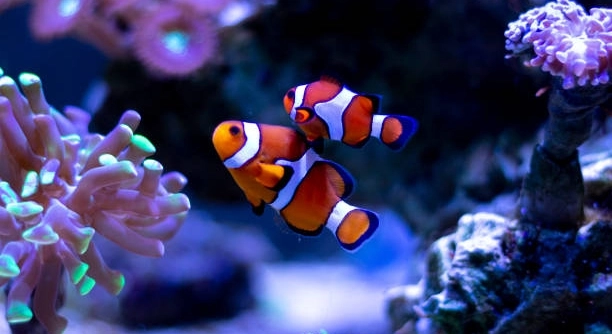
Hand-feeding clownfish is an interesting way to interact with these vibrant marine pets. Many aquarium enthusiasts enjoy creating a closer bond by feeding their fish directly. This method requires patience and the right approach to be successful.
Yes, clownfish can be hand-fed with proper care and technique. Successful hand-feeding involves offering small, frequent portions of appropriate food and ensuring the fish feel comfortable and safe during the process. This interaction can improve their feeding habits and responsiveness.
Learning how to hand-feed clownfish safely enhances your experience and supports their well-being in your aquarium. This guide will explain the steps needed to do it effectively.
Preparing to Hand-Feed Your Clownfish
Before you begin hand-feeding your clownfish, it is important to prepare both yourself and the aquarium properly. Make sure the tank is clean and that the water quality is stable. Healthy fish are more likely to respond well to hand-feeding. Choose a quiet time when the fish are calm and not stressed by other activities or tank mates. Use a small feeding tool like tweezers or simply your fingers, but always ensure your hands are clean and free of soap or chemicals. Start by offering tiny pieces of food to avoid overwhelming the fish. Be patient, as it may take several sessions before the fish are comfortable enough to eat directly from your hand.
Consistent feeding times help clownfish recognize you and build trust over time. This consistency is key to success.
Preparing well sets a positive tone for the experience and helps your clownfish feel safe during feeding sessions.
Choosing the Right Food
Selecting the proper food is essential when hand-feeding clownfish. They thrive on a diet rich in protein, including flakes, pellets, frozen shrimp, and brine shrimp. Make sure the pieces are small enough to handle easily during hand-feeding. Avoid foods that could pollute the tank or are too large for the fish to consume comfortably. Offering a variety of foods will keep the clownfish healthy and interested in the feeding process. Frozen foods should be thawed before offering to prevent harming the fish or your hands. Feeding live or fresh foods occasionally can stimulate natural hunting behavior, encouraging the clownfish to engage more actively with you. Regularly monitoring the fish’s health and adjusting the diet accordingly will improve their overall condition and willingness to eat from your hand.
Introducing Your Hand to the Clownfish
Start by placing your hand slowly into the tank to avoid startling the clownfish. Hold the food close to your fingers and wait patiently. Clownfish may take a few moments to approach, so remain calm and still.
The fish will likely circle your hand before deciding to eat. Avoid sudden movements, as these can scare them away. It helps to keep your hand steady and offer the food gradually, allowing the clownfish to build confidence. Over time, they will recognize your hand as a source of food and approach more quickly.
If the fish seem hesitant, try feeding during their usual mealtime when they are more active. Consistency and patience are essential in helping them become comfortable with hand-feeding.
Benefits of Hand-Feeding Clownfish
Hand-feeding clownfish helps build trust between you and your fish. It also encourages them to be more active and responsive during feeding times. This interaction can make caring for them more rewarding.
Regular hand-feeding allows you to monitor the fish’s health closely. You can observe their eating habits and spot any changes that may indicate illness. It also reduces food waste by targeting the feeding directly to the clownfish, keeping the tank cleaner. This method strengthens the bond with your fish and improves their overall well-being, making them more comfortable in their environment.
Avoiding Common Mistakes
Avoid rushing the feeding process to prevent scaring the clownfish. Patience is key for building trust and encouraging them to eat from your hand.
Never feed too much at once. Overfeeding can harm the fish and pollute the tank, so small, controlled portions work best.
Cleaning Your Hands Before Feeding
Always wash your hands thoroughly before feeding clownfish. Chemicals, lotions, or soap residues can harm sensitive fish and disrupt the tank’s ecosystem.
Clean hands protect both your fish and your aquarium environment, ensuring safe and healthy feeding interactions.
Watching for Signs of Stress
Pay attention to how your clownfish react during feeding. Signs of stress include darting away, hiding, or refusing food consistently.
If these signs appear, pause hand-feeding and give your fish time to adjust before trying again.
Using Feeding Tools
Feeding tools like tweezers can help if your clownfish are shy. They provide a safe way to offer food without direct hand contact.
FAQ
Can all clownfish be hand-fed?
Most clownfish can be hand-fed, but success depends on their temperament and how comfortable they are with you. Some individuals are naturally shy and may take longer to trust you. Younger clownfish might be easier to train for hand-feeding since they are more curious. Patience and consistency help build that connection.
How often should I hand-feed my clownfish?
Hand-feeding can be done once or twice a day, aligning with their regular feeding schedule. Overfeeding can cause health issues and water pollution, so offering small amounts is important. Try to feed them at the same time each day to create a routine that encourages them to recognize your hand as a food source.
What types of food work best for hand-feeding clownfish?
Small pieces of pellets, flakes, frozen brine shrimp, and finely chopped seafood are good choices. The food needs to be bite-sized and easy for the clownfish to grab. Avoid large or hard foods, as they can cause choking or discourage the fish from eating by hand. Variety in diet also keeps them healthy and interested.
Is it safe to use my hands for feeding?
Yes, as long as your hands are clean and free from chemicals, it is safe. Always wash your hands thoroughly before placing them in the tank to avoid contaminating the water or harming the fish. Avoid wearing lotions, perfumes, or soaps before feeding. Clean hands ensure the safety and comfort of your clownfish.
How long does it take for clownfish to get used to hand-feeding?
This varies based on the individual fish and how often you interact with them. Some clownfish may start feeding from your hand within a few days, while others might take several weeks. Regular, calm, and patient interactions speed up the process. Avoid forcing the fish, as this can cause stress and slow progress.
What if my clownfish refuses to eat from my hand?
If they refuse, try feeding at their usual mealtime when they are most active. You can also use feeding tools like tweezers to offer food closer to them. Give them time to adjust and avoid sudden movements. If they still won’t accept hand-feeding, continue feeding normally and try again later.
Can hand-feeding cause stress to clownfish?
Hand-feeding itself isn’t stressful when done correctly. However, sudden movements, loud noises, or frequent attempts when the fish aren’t ready can cause stress. It is important to be calm, patient, and consistent. Watch for signs of stress like hiding or rapid swimming and pause hand-feeding if needed.
Will hand-feeding improve the health of my clownfish?
Hand-feeding can promote healthier eating habits by encouraging the fish to be more active and engaged during feeding. It also helps you monitor their appetite and detect early signs of illness. While it’s not a substitute for a proper diet and tank care, it adds to their overall well-being.
Are there any risks involved with hand-feeding clownfish?
The main risk is introducing contaminants from your hands into the tank. This can be avoided by thorough hand washing. Another risk is accidental injury if your movements are sudden or rough. Always be gentle and slow when placing your hand in the water to keep the fish safe.
Can hand-feeding work with other types of fish?
Yes, many species can be trained to accept food from your hand, but success depends on their nature and tank environment. Clownfish are generally receptive because they are curious and bold, but other fish may be more cautious. Each species requires different approaches and patience.
Final Thoughts
Hand-feeding clownfish is a rewarding way to interact with your aquatic pets. It takes time, patience, and care to build trust between you and the fish. Starting slow and being consistent with your approach helps the fish become comfortable with your hand in the tank. Over time, the clownfish will learn to associate your hand with food, making feeding sessions more enjoyable for both of you. It is important to stay calm and gentle, as sudden movements can scare the fish and make hand-feeding difficult. The experience can deepen your connection to the fish and give you a better understanding of their behavior and needs.
When hand-feeding, always pay attention to the health and comfort of your clownfish. Use clean hands and offer appropriate, small pieces of food to prevent stress or harm. Feeding at regular times can encourage the fish to respond better, as they begin to recognize your presence and associate it with positive experiences. However, not all clownfish will adapt at the same pace. Some may take longer or may never fully accept hand-feeding, and that is perfectly normal. Respecting the personality of your fish and adjusting your expectations will make the process smoother and more enjoyable.
Lastly, hand-feeding is more than just giving food. It can improve your aquarium’s overall environment by helping you monitor your fish’s health and behavior closely. Being involved in this daily care strengthens your ability to spot changes that might indicate illness or stress early on. Keeping the tank clean and providing a balanced diet are still essential parts of caring for clownfish. Hand-feeding is a helpful addition that enhances the well-being of your fish and makes the aquarium experience more interactive. With patience and the right techniques, hand-feeding can become a pleasant part of your routine.

Hello,
If you enjoy the content that we create, please consider saying a "Thank You!" by leaving a tip.
Every little bit helps us continue crafting quality advice that supports the health, happiness, and well-being of pets around the world, for pets of all shapes, sizes, and species.
We really appreciate the kindness and support that you show us!