
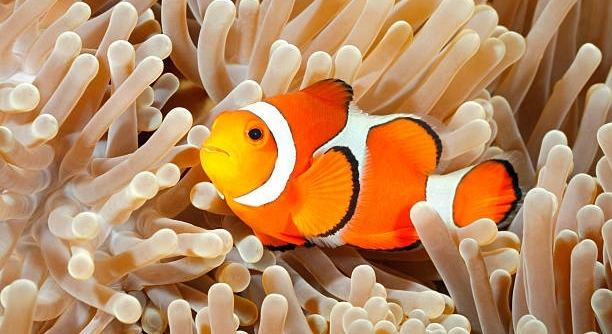
Clownfish are colorful and lively pets that need special care to thrive. Stress can affect their health and behavior, making it important to understand how to reduce it. Keeping your clownfish comfortable helps ensure a happy and healthy environment.
Stress in clownfish is commonly caused by poor water quality, improper tank conditions, and overcrowding. Providing stable temperature, proper filtration, and sufficient space reduces stress and promotes their well-being. Regular monitoring and maintenance are key to managing these factors effectively.
Reducing stress improves your clownfish’s overall health and longevity. These tips will help you create a stable and peaceful home for them.
Maintain Optimal Water Quality
Keeping water clean is essential for reducing stress in clownfish. Regular water changes help remove toxins that build up over time. Using a good filtration system maintains water clarity and balance. Test water parameters often to check ammonia, nitrites, nitrates, and pH levels. Stable water conditions prevent sudden changes that can shock your fish. Avoid overcrowding the tank, as this increases waste and stress. Proper feeding helps too — overfeeding can pollute the water and affect your clownfish’s health. Keeping the tank clean and balanced creates a comfortable space for them to swim and thrive.
Testing your water weekly ensures any issues can be caught early. This habit supports long-term health for your clownfish.
Water quality influences your clownfish’s immune system and stress levels directly. Poor water can cause diseases and aggressive behavior. By scheduling consistent water changes and using a reliable filter, you reduce the chance of harmful toxins. Also, balancing pH and temperature helps maintain a stable environment. It’s important to avoid rapid changes in these factors to keep your fish calm. Proper tank maintenance is the foundation of healthy clownfish care.
Provide Adequate Space and Hiding Places
Clownfish need enough room to swim and hide. Overcrowded tanks cause competition and increase stress. Adding rocks or coral creates shelter and reduces anxiety.
Using decorations or live plants offers hiding spots that make clownfish feel secure. These places also help reduce aggression from tank mates. Arranging the tank thoughtfully supports natural behavior and calmness. It’s better to have a slightly larger tank to avoid crowding. Regularly rearranging hiding places can keep your fish interested and reduce boredom. Creating a balanced environment with space and shelter is crucial for their well-being.
Having enough space reduces stress by allowing natural movement. Hiding places act as safe zones for your clownfish, especially when they feel threatened. This setup mimics their natural habitat, promoting comfort and stability. It also reduces chances of injury or territorial fights. Adding suitable décor supports mental health and prevents constant stress from lack of refuge. Make sure tank mates are compatible to maintain peace in your aquarium. Providing a spacious and structured home helps your clownfish feel safe and calm.
Control Tank Temperature
Maintaining a stable temperature is vital for clownfish health. Sudden changes can cause stress and illness. Use a reliable heater and thermometer to monitor the tank.
Clownfish thrive best in water between 75°F and 82°F (24°C to 28°C). Temperatures outside this range can weaken their immune system. Avoid placing the tank near windows or vents where temperature fluctuations happen. Regularly checking the temperature helps catch problems early. Consistency supports their natural rhythms and reduces stress. Sudden drops or rises can lead to lethargy or aggressive behavior. Keeping a steady temperature is a simple but effective way to promote calm and healthy clownfish.
Heating devices should be reliable and regularly tested. In case of power outages, consider backup systems to prevent drastic temperature changes. Monitoring temperature daily ensures your clownfish remain in their ideal environment. Even minor fluctuations can affect their metabolism and appetite. Consistent warmth encourages normal activity and breeding behaviors. Using a quality thermometer and heater combination gives you peace of mind and keeps your fish comfortable. Taking these steps supports your clownfish’s well-being and longevity.
Feed a Balanced Diet
A balanced diet helps clownfish stay healthy and less stressed. Provide high-quality pellets or flakes designed for marine fish. Include frozen or live foods like brine shrimp and mysis shrimp.
Feeding varied, nutritious food supports their immune system and energy levels. Avoid overfeeding to prevent poor water quality. Feed small amounts two to three times daily, ensuring food is consumed quickly. Removing leftover food stops waste buildup. Variety mimics their natural diet and encourages natural behavior. Good nutrition helps clownfish resist diseases and recover from stress faster. Offering fresh and frozen foods also provides essential vitamins and minerals.
A steady feeding routine builds trust and comfort in your clownfish. Regular meals keep them active and healthy. Adjust feeding based on their appetite and growth. Monitor their behavior to detect any signs of stress or illness. Clean feeding practices maintain tank cleanliness, reducing stress caused by pollution. Feeding well is one of the easiest ways to support your clownfish’s daily health.
Avoid Overcrowding
Too many fish in one tank causes stress and fights. Clownfish need enough space to swim freely without competition.
Overcrowding raises waste levels and lowers oxygen, making the environment unhealthy. Keeping fewer fish helps maintain water quality and reduces aggression. A balanced tank population is essential for calm, healthy clownfish.
Limit Loud Noises and Vibrations
Clownfish are sensitive to vibrations and loud noises. Avoid placing tanks near busy areas or loud appliances.
Loud noises can startle clownfish, increasing stress and disrupting their normal behavior. Reducing noise keeps the tank peaceful, allowing your fish to thrive. Creating a quiet environment helps them feel safe and secure.
Monitor Behavior
Watch for signs of stress such as hiding, aggression, or loss of appetite. Early detection helps prevent serious issues.
FAQ
How often should I change the water in my clownfish tank?
Water changes should be done regularly, ideally 10-20% every one to two weeks. This helps keep toxins like ammonia and nitrates low, maintaining a healthy environment. Frequent partial water changes are better than large, infrequent ones to avoid shocking the fish. Regular maintenance supports stable water conditions, which reduces stress in clownfish.
What is the ideal tank size for clownfish?
A minimum of 20 gallons is recommended for a pair of clownfish. This size offers enough swimming space and helps keep water quality stable. Larger tanks are easier to maintain and reduce stress caused by overcrowding. Providing adequate space allows natural behavior and promotes better health.
Can clownfish live with other species?
Yes, but tank mates should be peaceful and compatible. Avoid aggressive or very large fish that may stress or harm clownfish. Suitable companions include some types of gobies, blennies, and small wrasses. Always research compatibility before adding new fish to the tank to maintain harmony and reduce stress.
What water temperature is best for clownfish?
Clownfish thrive between 75°F and 82°F (24°C to 28°C). Consistent temperature within this range supports their immune system and natural behavior. Sudden temperature changes can cause stress and illness. Use a heater and thermometer to keep temperature steady.
How do I know if my clownfish is stressed?
Signs include hiding often, loss of appetite, erratic swimming, or aggressive behavior. Stress weakens their immune system and increases vulnerability to disease. Observing your fish daily helps catch these signs early. Acting quickly to improve conditions can prevent serious problems.
What foods should I feed clownfish?
Feed a balanced diet including high-quality pellets or flakes formulated for marine fish. Supplement with frozen or live foods like brine shrimp or mysis shrimp. Variety ensures they get essential nutrients, which boosts their health and reduces stress. Feed small amounts two to three times daily, removing uneaten food promptly.
How important is lighting for clownfish?
Proper lighting supports their natural day-night cycle. Use aquarium lights set on a timer to mimic natural light periods. Avoid too bright or constant light, which can cause stress. Balanced lighting also helps any live plants or corals in the tank thrive, creating a healthier environment.
Can sudden changes in the tank cause stress?
Yes, sudden changes in water quality, temperature, or tank setup can stress clownfish. Changes should be gradual to allow fish to adjust. Avoid rapid movement of decorations or introducing new fish without quarantine. Stability helps clownfish feel safe and reduces health risks.
Is it necessary to quarantine new fish?
Quarantining new fish is important to prevent introducing diseases. A separate tank for at least two weeks allows observation and treatment if needed. This practice protects your clownfish from infections and keeps your main tank healthy.
How do hiding places help reduce stress?
Hiding spots provide safe areas where clownfish can retreat if they feel threatened. Natural or artificial shelters reduce anxiety and aggression. These spaces mimic their natural environment, helping them feel secure and calm. Including several hiding places is recommended for a peaceful tank.
What role does tank cleaning play in reducing stress?
Regular tank cleaning removes waste and uneaten food, which can pollute water and harm fish. Clean tanks help maintain water quality and prevent harmful bacteria buildup. Avoid harsh chemicals and over-cleaning that can disrupt beneficial bacteria. Consistent cleaning supports a healthy habitat and less stressed clownfish.
Taking care of clownfish requires attention to several important factors to keep them healthy and stress-free. Maintaining good water quality, proper temperature, and adequate space are all key elements in creating a stable environment. Stress in clownfish can cause health problems and affect their behavior, so it is essential to monitor their tank conditions regularly. Small efforts, like testing water and cleaning the tank, help provide the best possible care for your fish.
Feeding clownfish a balanced diet also plays a crucial role in reducing stress. Providing varied and nutritious foods supports their immune system and overall well-being. Avoiding overcrowding and offering hiding places helps clownfish feel safe and less anxious. These steps contribute to a peaceful tank atmosphere and allow your fish to show natural behavior. Attention to details such as limiting loud noises and avoiding sudden changes in the tank environment can also make a big difference.
By following these guidelines, you can create a comfortable and healthy home for your clownfish. Careful monitoring and consistent maintenance help prevent many common problems. Taking the time to understand their needs will not only reduce stress but also improve their quality of life. Keeping your clownfish happy and healthy is rewarding and ensures they thrive in your aquarium.

Hello,
If you enjoy the content that we create, please consider saying a "Thank You!" by leaving a tip.
Every little bit helps us continue crafting quality advice that supports the health, happiness, and well-being of pets around the world, for pets of all shapes, sizes, and species.
We really appreciate the kindness and support that you show us!