
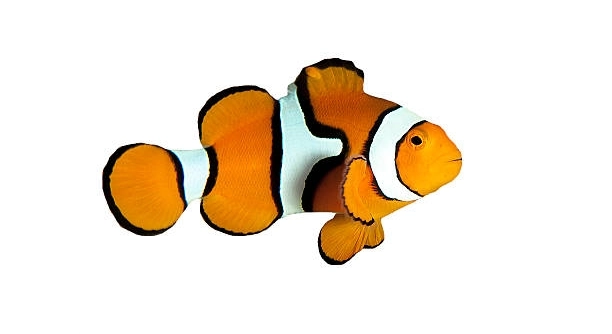
Clownfish are fascinating creatures that many people enjoy watching in aquariums and coral reefs. Their bright colors and unique behaviors make them stand out in the ocean. One interesting fact about clownfish is related to their ability to change gender.
Clownfish are sequential hermaphrodites, meaning they can change from male to female during their lifetime. Typically, the dominant male will become female if the current female in the group dies, ensuring the social structure remains stable.
Learning about how clownfish manage their social roles through gender change reveals the complexity of their behavior and survival strategies in the wild.
How Clownfish Change Gender
Clownfish live in groups with a strict social order. At the top is the largest female, followed by the dominant male, and then smaller males. If the female dies, the dominant male changes into a female. This change is not just physical but also behavioral. The fish’s body adjusts its reproductive organs to become female. This process takes several days to weeks. The smaller males move up in rank, and one becomes the new dominant male. This system helps keep the group stable and able to reproduce efficiently. It also means clownfish can adapt quickly to changes in their environment. Their ability to change gender is a survival strategy that ensures their species continue to thrive even when a key member is lost. The transformation is controlled by hormones, triggered by the absence of the female.
This natural gender change is called protandry, meaning males can turn into females when needed.
The balance within a clownfish group depends on this ability. Without it, the group could fail to reproduce, putting them at risk. Their social structure is a great example of nature’s way of protecting a species through flexibility and adaptation. Observing this in clownfish gives us insight into how some animals manage complex social roles for survival.
Why Gender Change Matters for Clownfish
Gender change allows clownfish to maintain a stable breeding pair without needing to find new mates. It saves time and energy in their coral reef habitat. This ability also helps prevent inbreeding by encouraging a clear social hierarchy.
Because clownfish live in close communities, losing the female could disrupt their reproductive success. Changing the male to female ensures the group keeps producing offspring regularly. It also helps maintain the population in their often crowded reef environment, where space and resources are limited. This change strengthens the group’s chance to survive and thrive.
The process also influences their behavior. The new female becomes more aggressive and dominant, protecting the territory. Meanwhile, the new dominant male adjusts to the role of caring for eggs. These shifts in roles are crucial for the survival and growth of clownfish populations in nature.
How Clownfish Know When to Change Gender
Clownfish sense changes in their social group through behavior and hormone signals. When the dominant female disappears, the dominant male’s hormones shift to start the gender change process. This happens naturally without confusion or hesitation.
The absence of the female triggers chemical and social cues. The dominant male becomes more aggressive and starts developing female reproductive organs. Meanwhile, smaller males adjust their behavior to accept the new social order. This hormone-driven process ensures a smooth transition, preventing conflict in the group. It shows how closely linked clownfish biology is to their social environment.
This process takes days to weeks, during which the fish’s appearance and behavior gradually change. The new female begins to take on responsibilities like defending the territory and caring for the eggs. The system is balanced so the group continues to function well throughout the change.
Clownfish and Their Habitat’s Role in Gender Change
Clownfish live in coral reefs where space and mates can be limited. The reef environment encourages their unique gender change ability. It helps them maintain breeding pairs without leaving their home.
In coral reefs, many species compete for territory and mates. Clownfish stay close to their host anemone, which provides protection. Because they rarely move far, changing gender within the group is a practical way to ensure reproduction. This adaptation allows them to respond quickly to changes in the group without risking safety or losing territory.
The reef’s complex environment pushes clownfish to rely on this flexible reproductive system. Without it, they might struggle to find mates or keep their population stable. The connection between their habitat and behavior is a key part of their survival strategy. It shows how species adapt to the demands of their living space.
Differences Between Male and Female Clownfish
Male and female clownfish have distinct roles within their groups. Females are larger and more dominant, while males are smaller and less aggressive. These differences help maintain order and breeding success.
Physical changes occur when a male becomes female, including size increase and changes in behavior. The transformation supports the social hierarchy and reproduction process.
Clownfish Reproduction and Gender Change
Clownfish lay eggs on flat surfaces near their host anemone. The female guards and cleans the eggs, while the male protects the territory. When the female dies, the dominant male changes gender to take over the reproductive role, ensuring continuous breeding without interruption.
Gender Change Limits
Not all clownfish can change gender. Only the dominant male in a group makes this transition. Other males stay the same to maintain the group’s balance and hierarchy.
What triggers a clownfish to change gender?
The main trigger for a clownfish to change gender is the loss of the dominant female in the group. When she dies or is removed, the dominant male detects this absence through changes in social behavior and chemical signals. These signals cause the male’s hormones to shift, starting the transformation process from male to female. The fish’s body then begins changing its reproductive organs and size to take over the female’s role. This system helps the group maintain a stable social order and keeps reproduction ongoing without interruption.
How long does the gender change process take?
The gender change in clownfish usually takes several days to a few weeks. During this time, the male’s body gradually develops female reproductive organs, and its behavior shifts to match the new role. The fish becomes more dominant and aggressive, taking over the duties of the previous female. The transformation is not immediate because it involves complex biological changes, including hormonal adjustments and physical growth. This slow transition ensures the group remains peaceful and organized, avoiding conflicts that might arise from sudden changes.
Can clownfish change from female back to male?
No, clownfish cannot change back from female to male. The gender change in clownfish is unidirectional, meaning they only change from male to female. Once the dominant male transforms into a female, it remains female for life. The remaining males in the group keep their male status, with one rising to the dominant male position. This system keeps the group stable and prevents confusion within the social structure. The irreversible nature of this change is part of what makes clownfish social behavior unique.
Do all clownfish species change gender?
Most clownfish species are capable of changing gender, but the exact behavior can vary between species. The common clownfish (Amphiprion ocellaris) is well-known for this trait. However, some species may show different social structures or variations in how gender roles are managed. Still, sequential hermaphroditism, where males become females, is typical among clownfish. This ability helps them survive in their coral reef habitats by ensuring breeding pairs remain intact. If you keep clownfish in an aquarium, understanding this behavior can help manage their groups properly.
Why don’t all male clownfish change into females?
Not all male clownfish change into females because only the dominant male does. In a group, there is a strict hierarchy. The largest female leads, followed by the dominant male, then smaller males. Only when the female is gone does the dominant male change gender. The smaller males stay male and move up in rank. This hierarchy prevents chaos and makes sure the group functions smoothly. If every male tried to become female, it would cause conflicts and disrupt reproduction. The social structure is carefully balanced.
How does the environment affect clownfish gender change?
The environment, especially the coral reef habitat, plays a role in clownfish gender change. Space and resources are limited in reefs, so clownfish live close to their host anemones. Because moving far is risky, the ability to change gender within the group allows them to maintain breeding pairs without leaving their home. Environmental stability supports the social structure and triggers changes when needed. Stress or changes in water quality may affect hormone levels and behavior, but the natural social cues are the main drivers for gender change.
Is gender change in clownfish common in captivity?
Gender change can happen in captivity, especially when clownfish are kept in groups that mimic their natural social hierarchy. If a dominant female dies or is removed, the dominant male can change gender just like in the wild. However, aquarium conditions can affect the process. Stress, water quality, and tank size influence behavior and health. Proper care and understanding of clownfish social dynamics are important to support natural behaviors. Many aquarium keepers find this gender change fascinating and a sign of healthy fish.
What role do hormones play in clownfish gender change?
Hormones are central to the gender change process in clownfish. When the dominant female disappears, hormone levels in the dominant male shift to promote female characteristics. This includes changes in reproductive organs, growth, and behavior. Hormones regulate the physical transformation and social dominance needed for the male to become female. Without these hormonal changes, the fish would not be able to switch roles or maintain the group’s reproductive ability. The process is a clear example of how biology and behavior are linked.
Can clownfish reproduce without changing gender?
Yes, clownfish can reproduce as long as there is a breeding pair—a female and a male. Gender change only happens when the female is lost, allowing the group to keep reproducing without finding a new mate. If the female stays healthy, the male remains male, and they continue to breed normally. The gender change is a backup system to maintain reproduction, not a requirement for every clownfish. It’s an adaptive strategy for groups facing the loss of a key member.
Are there other fish that can change gender like clownfish?
Yes, several fish species can change gender, but not all in the same way as clownfish. Many reef fish like wrasses and groupers also change sex during their lifetime. Some switch from female to male (protogyny), while clownfish switch from male to female (protandry). These changes help fish maintain social balance and reproduction. Each species has its own triggers and timing for the switch, depending on social structure and environment. Clownfish are one well-known example of this fascinating natural ability.
Clownfish are truly unique fish because of their ability to change gender. This change happens naturally within their social groups and helps keep their populations healthy and stable. When the dominant female disappears, the dominant male changes into a female to take her place. This process shows how animals can adapt to their surroundings in clever ways. It is not just about survival but about making sure the group continues to function smoothly. This natural ability also helps clownfish reproduce without the need to find new mates, which can be difficult in their coral reef homes.
The way clownfish change gender is controlled by hormones and social cues. These signals tell the dominant male when it is time to transform. The change is gradual and includes physical growth and behavior shifts. The new female becomes larger and takes over protecting the group and caring for the eggs. This system keeps order in the group and reduces conflict. It also ensures the group can keep growing and reproducing. Because only the dominant male changes gender, the social hierarchy remains clear and balanced, which is important for their survival.
Understanding clownfish gender change gives us a deeper look into how nature works in surprising ways. Their habitat, social behavior, and biology all connect to create this remarkable process. While not every fish can change gender, clownfish show us that life can be flexible and adaptive. Whether seen in the wild or in an aquarium, their behavior is a reminder of how animals develop strategies to cope with challenges. Learning about these fish helps us appreciate the complexity of life beneath the ocean’s surface.

Hello,
If you enjoy the content that we create, please consider saying a "Thank You!" by leaving a tip.
Every little bit helps us continue crafting quality advice that supports the health, happiness, and well-being of pets around the world, for pets of all shapes, sizes, and species.
We really appreciate the kindness and support that you show us!