
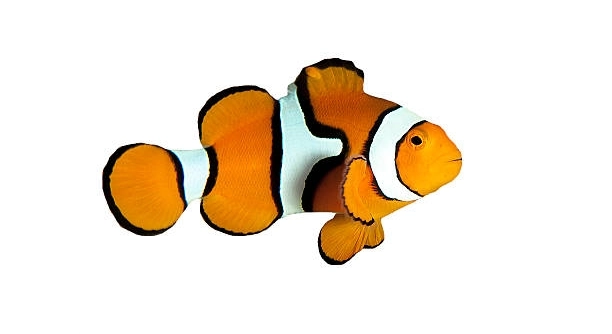
Starting your journey as a new clownfish owner can be exciting and a bit overwhelming. Knowing what supplies you need will help you create a safe and healthy environment for your fish. Proper preparation is key to their well-being.
The seven essential supplies for new clownfish owners include a suitable tank, proper filtration system, heater, water testing kits, quality food, salt mix, and cleaning tools. Each item plays a crucial role in maintaining stable water conditions and ensuring the fish thrive.
Having the right supplies will make caring for your clownfish easier and more enjoyable as you learn the basics of aquarium maintenance.
Suitable Tank for Clownfish
Choosing the right tank is one of the most important steps for any clownfish owner. Clownfish need enough space to swim comfortably and explore. A tank size of at least 20 gallons is recommended for one or two clownfish. Smaller tanks can cause stress and water quality problems. The material of the tank should be strong and clear for easy viewing and cleaning. It’s important to set the tank in a location away from direct sunlight and drafts to maintain stable temperature. Also, the tank needs a secure lid to prevent any fish from jumping out. Proper placement and size of the tank will help keep your clownfish healthy and active.
A tank of 20 gallons or larger provides a stable environment and enough room for clownfish to thrive. Smaller tanks often lead to fluctuating water conditions.
Starting with the right tank size sets the foundation for good water quality and fish health. It also allows space for decorations and filtration equipment without crowding the fish. Clownfish often form pairs, so having enough space encourages natural behavior. Adding live rock or coral can enhance the tank environment, offering hiding places and improving water quality. Avoid overcrowding by sticking to recommended sizes to reduce stress and disease risks. Choosing a proper tank size is essential before adding any clownfish to ensure a smooth transition to their new home.
Proper Filtration System
A good filtration system keeps the water clean and healthy for your clownfish. It removes waste and harmful chemicals from the tank water.
A reliable filter helps maintain clear water and stable water parameters by circulating and cleaning the tank efficiently.
Filters come in many types, such as hang-on-back, canister, or sponge filters. For clownfish tanks, a filter that provides mechanical, chemical, and biological filtration is best. Mechanical filtration traps particles and debris, chemical filtration removes toxins, and biological filtration supports beneficial bacteria that break down harmful waste. It’s important to choose a filter rated for the size of your tank to avoid under- or over-filtering. Cleaning the filter regularly keeps it working well but avoid washing filter media with tap water as it can kill helpful bacteria. Proper filtration reduces harmful ammonia and nitrite levels, which is critical for the health of your clownfish. Maintaining the right water flow also mimics their natural environment and supports good oxygen levels in the tank.
Heater for Stable Temperature
Maintaining a stable temperature is vital for clownfish health. A heater keeps the water within their ideal range, usually between 74°F and 78°F.
Choosing a reliable heater with adjustable settings allows precise temperature control. It should be suitable for the tank size to prevent overheating or underheating. A heater with a built-in thermostat is ideal because it automatically turns off when the water reaches the set temperature. Place the heater near the filter outlet to distribute warm water evenly throughout the tank. Regularly check the temperature with a separate aquarium thermometer to ensure accuracy and prevent sudden fluctuations that can stress your fish.
Sudden temperature changes can weaken clownfish and make them prone to illness. Investing in a quality heater and monitoring the tank temperature consistently helps maintain a safe and comfortable environment for your clownfish.
Water Testing Kits
Water testing kits are essential tools for monitoring tank conditions. They measure important water parameters like pH, ammonia, nitrite, and nitrate.
Regular testing helps catch water quality issues before they harm your clownfish. Ammonia and nitrite should always be at zero, as even small amounts can be toxic. Nitrate should be kept low through water changes. Testing pH ensures the water stays within a stable range of 7.8 to 8.4, suitable for clownfish. Water chemistry can change due to overfeeding, waste buildup, or new decorations, so frequent testing is necessary.
Using easy-to-read test kits simplifies tracking these values. Maintaining balanced water conditions supports clownfish health and reduces stress. Consistent testing empowers you to act quickly if water quality drops, preventing potential problems early on.
Quality Food for Clownfish
Feeding your clownfish a balanced diet is key to their health. High-quality pellets or flakes designed for marine fish are ideal.
Supplement their diet with frozen or live foods like brine shrimp or mysis shrimp. Variety keeps them healthy and active.
Salt Mix for Marine Environment
Using the right salt mix is crucial to recreate seawater conditions. It provides essential minerals and maintains proper salinity levels needed for clownfish survival.
Always follow the manufacturer’s instructions when mixing salt with water. Test salinity regularly with a refractometer or hydrometer to keep levels stable around 1.023 to 1.025 specific gravity.
Cleaning Tools for Tank Maintenance
Regular cleaning tools such as algae scrapers, siphons, and brushes help maintain a clean tank environment.
Proper cleaning prevents harmful waste buildup and keeps water clear, supporting the health of your clownfish.
FAQ
What size tank do clownfish need?
Clownfish need at least a 20-gallon tank for one or two fish. This size provides enough space for swimming and helps maintain stable water conditions. Smaller tanks can cause rapid changes in water quality, which stress the fish and make them more prone to illness. If you plan to keep more than two clownfish or add other species, consider a larger tank to avoid overcrowding.
How often should I clean the tank?
Cleaning depends on tank size and bioload, but generally, a partial water change of 10-20% every one to two weeks is recommended. Regularly removing algae and debris with scrapers and siphons keeps the tank clean. Avoid deep cleaning too often, as it can disrupt beneficial bacteria that help maintain water quality. Consistency in maintenance keeps clownfish healthy.
What is the ideal temperature for clownfish?
Clownfish thrive between 74°F and 78°F. Temperatures outside this range can cause stress and weaken their immune system. Using a reliable heater and thermometer ensures stable temperature control. Sudden temperature swings should be avoided since they can lead to illness or death.
Can clownfish live with other fish?
Yes, clownfish can live peacefully with many reef-compatible fish such as damselfish, gobies, and wrasses. Avoid aggressive species that might bully or harm clownfish. It’s important to research compatibility before adding tank mates to prevent stress and injuries.
What should I feed clownfish?
Feed a varied diet including high-quality marine pellets or flakes, along with frozen or live foods like brine shrimp, mysis shrimp, and chopped seafood. Variety improves nutrition and keeps your clownfish interested. Feed small amounts once or twice daily, removing uneaten food to prevent water pollution.
How do I know if my clownfish is healthy?
Healthy clownfish are active, swim confidently, and show bright colors. They respond to feeding and have clear eyes and intact fins. Signs of illness include lethargy, loss of appetite, discoloration, spots, or damaged fins. Early detection and treatment are important to prevent disease spread.
Why is water testing important?
Testing water regularly monitors ammonia, nitrite, nitrate, pH, and salinity levels. These parameters impact fish health. Ammonia and nitrite should always be zero, while nitrate must stay low. pH should remain stable within the marine range. Testing helps catch problems early and maintain a safe environment.
How do I cycle a new tank?
Cycling establishes beneficial bacteria that break down toxic waste. This process can take 4-6 weeks. You add ammonia or fish food to feed bacteria, testing water regularly to track progress. When ammonia and nitrite drop to zero and nitrate rises, the cycle is complete. Only then should you add clownfish.
Can clownfish change sex?
Yes, clownfish are protandrous hermaphrodites, meaning they can change sex. Typically, the dominant fish in a pair becomes female while the other remains male. This natural behavior helps maintain breeding pairs in the tank.
How do I prevent diseases?
Prevent disease by maintaining good water quality, providing a proper diet, and avoiding overcrowding. Quarantine new fish before adding them to your tank. Observe your clownfish regularly for signs of stress or illness, and act quickly if any problems appear.
These FAQs cover common concerns and help ensure your clownfish remain healthy and happy in their new environment.
Final Thoughts
Taking care of clownfish can be a rewarding experience, but it requires proper preparation and attention. Having the right supplies, such as a suitable tank, heater, filter, and water testing kits, creates a stable environment for your fish to live in. These tools help maintain clean water, consistent temperature, and healthy conditions that clownfish need. Starting with the basics makes the difference between a healthy aquarium and one full of problems. Being patient and careful with setting up the tank will save time and stress later.
Feeding your clownfish well and keeping the tank clean are ongoing tasks that affect their health greatly. A balanced diet with quality food keeps your fish strong and active. At the same time, regular water changes and cleaning remove waste and prevent harmful substances from building up. Testing water regularly helps catch problems early before they become serious. These small efforts add up to a happy and thriving clownfish. It is important to keep learning about your fish’s needs and adjust care as you gain experience.
Even with all the right equipment and care, clownfish require observation and attention to detail. Watching how they behave and look will help you notice any signs of stress or illness early. Prompt action when something feels off can prevent bigger issues. Clownfish are resilient creatures when kept in the right environment, but they still rely on you for their well-being. Taking time to understand their needs and respond appropriately will lead to a successful and enjoyable experience as a clownfish owner.

Hello,
If you enjoy the content that we create, please consider saying a "Thank You!" by leaving a tip.
Every little bit helps us continue crafting quality advice that supports the health, happiness, and well-being of pets around the world, for pets of all shapes, sizes, and species.
We really appreciate the kindness and support that you show us!