
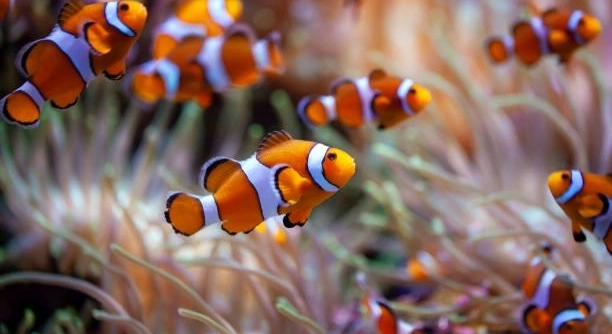
Clownfish are popular pets for many aquarium lovers who enjoy watching their bright colors and lively behavior. These small fish come from warm ocean waters and are often kept in home tanks. Understanding their needs is important for keeping them healthy.
Clownfish require stable, warm water temperatures to thrive, usually between 74°F and 79°F. While some can survive short periods without a heater, long-term survival without one is unlikely due to their tropical nature and sensitivity to cold water stress.
Knowing the right conditions helps ensure your clownfish stay healthy and active in your aquarium. This article will explain what they need to live comfortably.
Why Clownfish Need Warm Water
Clownfish naturally live in tropical coral reefs where the water stays warm year-round. Their bodies are adapted to these stable temperatures, usually between 74°F and 79°F. When the water gets too cold, their metabolism slows down, making it harder for them to stay healthy. Cold water can stress clownfish, leading to weakened immune systems and making them more vulnerable to diseases. Without a heater, the temperature in a home aquarium can drop below the safe range, especially in cooler climates or during winter months. This can cause problems like lethargy, poor appetite, and even death. Maintaining a constant warm temperature helps keep their bodily functions running smoothly. Even short drops in temperature can be harmful, so using a reliable heater is the best way to provide a safe environment. Proper temperature control mimics their natural habitat, promoting growth, reproduction, and overall well-being.
Heaters provide steady warmth, preventing temperature swings that stress clownfish and damage their health.
Keeping the water temperature stable is essential to avoid health issues and ensure clownfish live a long, healthy life in captivity.
Alternatives to Using a Heater
In some cases, people try to keep clownfish without a heater by relying on room temperature or other heat sources. If the room where the tank is placed stays consistently warm, around 75°F or higher, a heater might not be necessary. However, this situation is rare and depends on the local climate and season. Another option is using insulation or placing the tank near a natural heat source like sunlight, but this can cause uneven temperatures and algae growth. Some hobbyists use heat mats under the tank, but these do not always provide enough warmth for tropical fish. Without a proper heater, it’s difficult to maintain the stable conditions clownfish need. Relying on alternatives can lead to fluctuating temperatures, which are risky for the fish’s health.
Using a heater remains the most effective and reliable method to keep clownfish comfortable and safe.
Trying to manage without a heater requires careful monitoring and may not be suitable for all homes. The risk of sudden cold snaps can quickly endanger the fish. It is important to consider the climate where the tank is kept before deciding to skip the heater. For many people, the convenience and peace of mind of using a heater outweigh the challenges of alternative methods. Regularly checking the water temperature and making adjustments can help, but it is often not enough to replace the consistent heat a heater provides. Ensuring your clownfish live in an environment close to their natural habitat improves their chances of thriving. When a heater is not an option, extra attention is needed to avoid temperature drops and protect your fish’s health.
Signs Your Clownfish Is Too Cold
If your clownfish is too cold, it will show clear signs of stress. You may notice slow movement, hiding more than usual, and loss of appetite. Their colors might also fade, and they can become less active overall.
Cold water slows a clownfish’s metabolism, making it harder for them to swim and eat. When stressed by low temperatures, they are more prone to illnesses like fungal infections or parasites. The fish may stay near the surface or close to any available heat source in the tank. Watching for these behaviors can help you catch temperature problems early before they become serious.
Long-term exposure to cold water can lead to weakened immune systems, increasing the chance of fatal diseases. Promptly restoring proper water temperature is key to helping your clownfish recover and stay healthy.
How to Maintain Proper Temperature Without Constant Heating
Maintaining the right temperature without leaving the heater on all the time means monitoring the tank closely. Use a reliable thermometer and check the water often to catch any changes early.
Adjusting room temperature can help; keeping the tank in a warm part of the house reduces heat loss. Covering the tank with an insulated lid or using bubble wrap around the outside can also retain heat better. When possible, turn the heater off during warmer parts of the day and on only when the temperature dips too low.
It’s important to avoid large temperature swings, which can be more stressful than a slightly lower but steady temperature. Small, gradual adjustments help the clownfish adapt more easily and reduce health risks. Regular water changes with warm water also keep the environment stable and safe.
Common Temperature Ranges for Clownfish
Clownfish do best between 74°F and 79°F. Temperatures below 70°F can cause stress and health problems. Above 82°F may also harm them by lowering oxygen levels in the water.
Keeping the temperature stable within this range helps clownfish stay healthy and active. Avoid sudden changes that can shock their system.
Impact of Temperature on Clownfish Behavior
Temperature directly affects clownfish behavior. Warmer water encourages activity, feeding, and breeding. Cooler water makes them sluggish and less responsive. When the water is too cold, clownfish hide more and stop eating properly, which weakens their health over time.
Using Thermometers Effectively
Place thermometers at different points in the tank to monitor temperature variations. This helps ensure all areas stay within the safe range.
Preparing for Seasonal Changes
Adjust tank temperature gradually as seasons change to protect clownfish from sudden cold or heat shifts.
FAQ
Can clownfish survive in room temperature water without a heater?
Clownfish can survive in room temperature water if the temperature stays consistently between 74°F and 79°F. However, this is rare in most homes, especially during colder months. If the temperature falls below this range, clownfish may become stressed or sick. Without a heater, it’s hard to maintain a stable temperature, which is crucial for their health. Occasional drops in temperature can cause serious problems. So, while possible in very warm climates or heated rooms, relying on room temperature alone is risky.
What happens if my clownfish gets too cold?
When clownfish get too cold, their metabolism slows down, and they become less active. They may stop eating and hide more often. Cold stress weakens their immune system, making them prone to diseases like fungal infections or parasites. Prolonged exposure to cold water can be fatal. If you notice these signs, it’s important to raise the tank temperature gradually to avoid shock.
Is it okay to turn the heater off at night?
Turning the heater off at night is not recommended unless the room temperature remains stable and warm. Nighttime temperatures often drop, which can cause the tank water to get too cold for clownfish. Sudden temperature changes can stress the fish. If you want to save energy, consider using a thermostat to control the heater automatically rather than turning it off completely.
Can I use alternatives like heat mats instead of a heater?
Heat mats provide some warmth but usually aren’t enough for tropical fish like clownfish. They heat from below and may not distribute warmth evenly throughout the tank. This can create cold spots and stress the fish. A reliable aquarium heater designed to maintain consistent water temperature is a better choice for keeping clownfish healthy.
How often should I check the water temperature?
Check the water temperature at least once daily, especially if you do not have a thermostat-controlled heater. Frequent monitoring helps catch any sudden changes before they harm your clownfish. Use a good quality thermometer and consider placing more than one at different points in the tank for accurate readings.
Can clownfish adapt to cooler water over time?
Clownfish have some ability to tolerate minor temperature changes, but they cannot adapt to long-term exposure to temperatures outside their preferred range. Cooler water slows their metabolism and can cause health problems. It’s best to keep their environment close to their natural tropical conditions for their well-being.
What temperature should I set my heater to for clownfish?
Set your heater to maintain water between 74°F and 79°F. This range supports their normal behavior, feeding, and immune function. Avoid setting it too high, as temperatures above 82°F can lower oxygen levels and cause stress.
Can temperature fluctuations cause disease in clownfish?
Yes, frequent or sudden temperature changes weaken clownfish and make them vulnerable to infections. Stable temperature reduces stress and helps their immune system fight off bacteria, fungi, and parasites. Keeping the heater steady is key to preventing temperature-related illness.
What is the best way to raise the temperature if it drops too low?
Raise the temperature slowly to avoid shocking the clownfish. Increase the heater setting gradually and monitor the water closely. Sudden jumps in temperature can be as harmful as cold water. Using a reliable heater with a thermostat helps maintain steady warmth.
Can clownfish live without a heater in tropical climates?
In tropical climates where room temperature stays consistently warm, clownfish might survive without a heater. However, even in warm regions, nights and rainy seasons can cause temperature dips. Careful monitoring is essential to avoid harmful drops. A heater provides a safety net to maintain ideal conditions regardless of outside weather.
Clownfish are tropical fish that need warm and stable water to live healthy lives. Their natural habitat in coral reefs has temperatures that rarely change and stay warm all year. When keeping clownfish in home aquariums, it is important to try to recreate these conditions as closely as possible. Using a heater is the most reliable way to maintain the right temperature range between 74°F and 79°F. Without proper warmth, clownfish can become stressed and more prone to illness. They may eat less, become less active, or develop diseases that can be difficult to treat.
Some people try to keep clownfish without a heater by relying on room temperature or other methods, but this comes with risks. Room temperature can change a lot depending on the season and where the tank is placed. If the temperature falls too low, clownfish may suffer from cold stress, which affects their immune system and overall health. While alternatives like insulation or heat mats can help a bit, they usually cannot replace the consistent warmth a heater provides. Keeping an eye on the temperature daily is essential, especially when a heater is not used. This can help catch any dangerous drops early and give you time to act.
In the end, the health and happiness of clownfish depend on how well their environment matches their natural needs. Maintaining a stable, warm temperature supports their metabolism, immune system, and natural behavior. Even small drops in temperature can have serious effects over time. A heater is the easiest and most dependable way to protect your clownfish from these risks. If you want your fish to thrive, providing a steady warm environment is worth the effort. It allows your clownfish to live comfortably and display the bright colors and lively actions that make them so enjoyable to watch.

Hello,
If you enjoy the content that we create, please consider saying a "Thank You!" by leaving a tip.
Every little bit helps us continue crafting quality advice that supports the health, happiness, and well-being of pets around the world, for pets of all shapes, sizes, and species.
We really appreciate the kindness and support that you show us!