
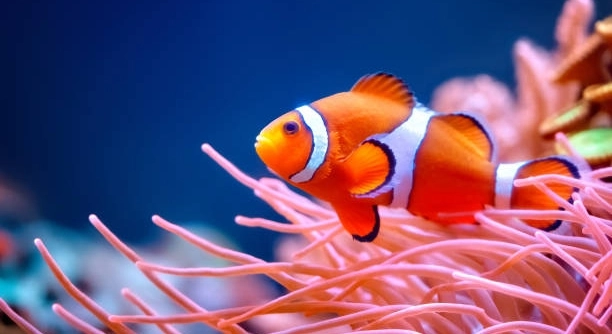
Have you ever noticed clownfish rubbing themselves against coral or sea anemones and wondered what they’re really doing? It might seem strange at first, but there’s an interesting reason behind this behavior.
Clownfish rub against sea anemones to build immunity to their stings. This contact helps them develop a protective mucus layer, allowing them to live safely among the stinging tentacles while gaining shelter and protection from predators.
Understanding this behavior gives a new perspective on how clownfish interact with their environment and the special relationship they share with sea anemones.
How Rubbing Helps Clownfish Survive
Clownfish have a unique relationship with sea anemones, and rubbing is a key part of that bond. When a clownfish first approaches an anemone, it doesn’t immediately become immune to its sting. Instead, the clownfish gradually introduces itself by rubbing gently against the tentacles. This behavior allows the clownfish to build up a layer of protective mucus that keeps it from getting stung. The process can take a few hours or even days, depending on the fish and the anemone. Once the mucus layer is thick enough, the clownfish can safely nest among the anemone’s tentacles. This relationship benefits both animals—while the anemone offers protection from predators, the clownfish keeps the anemone clean and may even help lure prey close to its tentacles. The rubbing is more than a simple action; it’s part of a slow, important process of adapting and gaining safety in a dangerous environment.
This rubbing also plays a role in scent exchange. It helps the clownfish match the chemical signature of its host anemone, making it feel like part of the same body.
Some clownfish may repeat the rubbing process if they move to a new anemone. Each time, the mucus needs to adjust to the specific chemicals of the new host.
Not All Rubbing Is the Same
Clownfish may also rub against rocks or other fish, especially when they feel stressed or are trying to clean themselves. This type of rubbing is usually less focused than what they do with anemones and doesn’t involve building up protective mucus. It can be a sign of irritation or an attempt to deal with parasites or changes in water quality.
In an aquarium setting, seeing a clownfish rub against tank surfaces might be a sign of something wrong. Poor water conditions, infections, or parasites can lead to rubbing that looks different from their normal interactions with anemones. Unlike the slow and deliberate movements clownfish use with anemones, stress rubbing tends to be quick and repetitive. Observing when, how, and where they rub can help you tell if it’s part of their bonding process or something that needs attention. Understanding the difference matters, especially in a home tank, where early signs of discomfort can help prevent bigger issues. Clean water, proper tank mates, and a healthy anemone are all important for keeping clownfish comfortable and safe.
Why Clownfish Need Anemones
The relationship between clownfish and anemones isn’t just helpful—it’s necessary. Anemones offer shelter from predators, while clownfish provide food scraps and protection from parasites. Their rubbing behavior is the first step toward building this mutual safety.
Clownfish are small and brightly colored, making them easy targets in the open ocean. Anemones provide a perfect hiding spot with their stinging tentacles. Once a clownfish is protected by its mucus layer, it can move freely among the tentacles without harm. The clownfish’s movements help increase water flow around the anemone, improving its respiration. In return, the anemone’s stings keep larger fish and threats away from the clownfish. This connection allows the clownfish to live in areas it would normally have to avoid. Rubbing isn’t just survival instinct—it’s how the clownfish secures its safe place and builds a shared home with its host.
Clownfish don’t just gain shelter—they also defend the anemone. If other fish try to nip at the anemone, the clownfish will chase them off. This active protection keeps the anemone healthy. The rubbing may seem simple, but it lays the foundation for this entire relationship. It’s more than a habit—it’s a way to build trust and claim territory within the reef ecosystem.
What Happens Without Rubbing
Without rubbing, clownfish can’t develop the right protective layer. The sting from an anemone can injure or even kill a clownfish that rushes in too soon. This behavior isn’t optional—it’s part of how clownfish safely move in.
Clownfish raised in tanks sometimes struggle with this instinct. If they’ve never interacted with an anemone, they may not know how to approach it safely. They might avoid it altogether or try to swim through it without rubbing, leading to injury. In the wild, the rubbing process is usually learned early through observation or instinct. The mucus layer that forms after rubbing is key—it prevents the anemone’s nematocysts (stinging cells) from firing. Without this barrier, the clownfish can’t live safely in the tentacles. So, when the rubbing doesn’t happen, the partnership breaks down. This tiny action leads to big consequences for survival, protection, and the overall balance of the relationship.
When Rubbing Becomes a Warning Sign
If a clownfish starts rubbing more than usual or against objects it normally ignores, it could be a sign of stress or illness. This includes rubbing on tank walls, decorations, or even the substrate, especially if there are no anemones around.
This type of behavior might point to poor water conditions or parasites. It’s different from the slow, careful rubbing seen with anemones. In these cases, clownfish might also breathe heavily or appear more restless. Keeping an eye on this helps catch early signs of discomfort before they become serious problems in the tank.
How Tank Conditions Affect Rubbing
In captivity, clownfish may act differently than they would in the wild. If their tank lacks an anemone or suitable host, they may start rubbing on anything available—like fake coral, rocks, or even filters. While this can be harmless at first, repeated rubbing without a proper host can lead to injury or stress. Some clownfish even try to bond with soft corals or certain equipment that feels like anemone tentacles. Owners should make sure the tank includes safe spaces and calm conditions. Monitoring ammonia, nitrate, and temperature levels can also reduce stress and prevent unusual rubbing from turning into a bigger issue.
Can Clownfish Bond Without Rubbing?
Rubbing is essential for forming a true bond with anemones. Without it, clownfish can’t safely live among the tentacles or gain full protection from their host.
FAQ
Why do clownfish rub against sea anemones gently at first?
Clownfish rub gently to build up a protective mucus layer on their skin. This mucus prevents the anemone’s stinging cells from harming them. The rubbing is slow and careful to avoid triggering the sting before the mucus is strong enough. This process helps the clownfish safely live among the anemone’s tentacles.
How long does it take for clownfish to build immunity through rubbing?
The time varies but usually takes several hours to a few days. It depends on the individual fish and the specific anemone. During this time, the clownfish will rub repeatedly, slowly increasing contact to strengthen its mucus layer.
Can clownfish live without rubbing against anemones?
Clownfish can survive without anemones, but they lose their main source of protection. Without rubbing, they cannot live safely within anemone tentacles and are more vulnerable to predators. In captivity, clownfish sometimes adapt to tanks without anemones, but their natural behavior and safety benefit from this bond.
What happens if a clownfish rubs too much or in the wrong places?
Excessive rubbing, especially on tank walls or decorations, can signal stress, poor water quality, or parasites. This behavior is different from normal rubbing with anemones and may require attention to tank conditions or health care to prevent harm.
Do all clownfish species rub against anemones the same way?
Most clownfish species share this rubbing behavior to build immunity, but some may show slight differences in rubbing speed or preference for specific anemones. The core purpose remains the same—to develop a protective mucus layer.
Is rubbing a sign of affection between clownfish and anemones?
While it might look like affection, rubbing is mostly about survival and protection. It helps the clownfish safely join the anemone and build a mutual relationship, but it is not a sign of emotion like human affection.
Can clownfish develop immunity to multiple anemones?
Yes, clownfish can adjust their mucus layer to different anemones, but each new host requires rubbing again. The mucus needs to match the chemical makeup of the new anemone to prevent stings.
How can you tell if clownfish rubbing is normal or a sign of a problem?
Normal rubbing is slow, gentle, and focused on the anemone. Problematic rubbing is often quick, repetitive, and directed at tank surfaces or objects that aren’t anemones. Other signs of trouble include heavy breathing, lethargy, or changes in appetite.
Do clownfish rub against each other?
Clownfish may rub lightly against each other during social or mating behaviors, but this is different from the protective rubbing they do with anemones. The latter is specifically about building immunity.
What should I do if my clownfish rubs too much in my aquarium?
Check water quality, look for signs of parasites, and ensure the tank is properly maintained. If no anemone is present, provide hiding places and keep the environment calm to reduce stress.
Can rubbing help clownfish heal from injuries?
Rubbing is mainly for protection, not healing. However, gentle rubbing might help remove parasites or dead skin. If injuries occur, it’s better to address water quality and tank conditions to support healing.
Does rubbing affect the anemone?
Rubbing helps keep the anemone clean and may stimulate it. The movement by the clownfish can improve water circulation around the anemone’s tentacles, which benefits its health.
Are clownfish born knowing to rub against anemones?
This behavior is instinctual, but young clownfish may learn by watching adults. The need to rub and build immunity is built into their survival instincts.
Can clownfish live with anemones without rubbing?
No, rubbing is necessary. Without it, clownfish risk being stung and can’t live safely among anemone tentacles.
Is rubbing dangerous for clownfish?
Rubbing itself is not dangerous; it is a protective behavior. However, if done too forcefully or in poor tank conditions, it can cause injury or stress.
Does rubbing help clownfish find a suitable anemone?
Rubbing helps confirm the clownfish’s acceptance by the anemone. It signals the start of their partnership and helps the fish stay safe in a suitable host.
Clownfish rubbing against things, especially sea anemones, is an important and natural behavior. It helps the fish build up a protective mucus layer that keeps them safe from the anemone’s stinging cells. This slow rubbing process is necessary for the clownfish to live comfortably among the tentacles, which offer shelter from predators. Without this mucus, the clownfish would get hurt by the stings and could not use the anemone as a safe home. This relationship between clownfish and anemones is an example of nature’s balance, where both animals benefit from one another.
In addition to protection, the rubbing helps clownfish establish a bond with their host anemone. This bond allows them to share territory and resources in the coral reef environment. Clownfish keep the anemone clean by eating leftover food and removing parasites. In return, the anemone’s stings protect the clownfish from larger fish that might want to eat them. This mutual support is important for both species’ survival. While rubbing may seem like a simple action, it plays a key role in forming this important connection and maintaining harmony between the two.
In aquarium settings, observing clownfish rubbing behavior can help owners understand their fish’s health and comfort. Normal rubbing against anemones shows the fish is bonding and adapting well. But rubbing on tank surfaces or decorations may signal stress, parasites, or poor water quality. Watching for these signs is important for keeping clownfish safe and healthy. Knowing why clownfish rub and what it means helps both in the wild and at home. This small behavior holds bigger meaning for the well-being and balance of clownfish and their environment.

Hello,
If you enjoy the content that we create, please consider saying a "Thank You!" by leaving a tip.
Every little bit helps us continue crafting quality advice that supports the health, happiness, and well-being of pets around the world, for pets of all shapes, sizes, and species.
We really appreciate the kindness and support that you show us!