
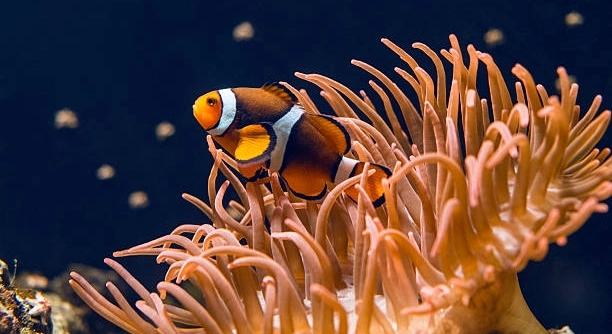
Clownfish are popular in home aquariums for their vibrant colors and lively behavior. Many enthusiasts want to know if these fish can survive without a filtration system. Understanding their needs is important for proper care.
Clownfish can survive for a short time without a filter, but long-term health depends on clean water and stable conditions that filters help maintain. Filtration removes waste, toxins, and harmful bacteria crucial for their well-being.
Knowing how filtration affects clownfish health will guide aquarium owners in making informed decisions about their care and environment.
Why Filters Matter for Clownfish
Filters play a crucial role in maintaining the quality of water in an aquarium. Without a filter, waste products from clownfish, leftover food, and other organic matter accumulate quickly. This buildup can cause ammonia and nitrite levels to rise, which are toxic to fish. Filters help by removing these harmful substances, keeping the water clean and safe. They also encourage beneficial bacteria growth that breaks down waste into less harmful compounds. Without filtration, the water can become cloudy and unhealthy, stressing the fish and making them more vulnerable to disease. Even though some small tanks or temporary setups might function without filters, long-term survival and health of clownfish are at risk. Maintaining a proper filtration system helps stabilize water parameters like pH and oxygen levels, which are essential for clownfish to thrive. In short, filters support a balanced environment that mimics their natural habitat more closely.
A filter not only cleans but also improves oxygen circulation, essential for fish respiration.
Keeping a filter running ensures consistent water quality and reduces the frequency of manual water changes. This makes tank maintenance easier and less stressful for both the fish and the caretaker. Filtration also helps control algae growth by reducing excess nutrients in the water. Without a filter, maintaining stable water parameters demands more time and attention. For someone who values both the health of their clownfish and convenience, investing in a good filtration system is worthwhile. It prevents sudden water quality drops that could otherwise lead to illness or death. While it’s possible to keep clownfish without a filter in very specific conditions, it requires close monitoring and frequent water changes, which can be challenging. Overall, a filter is a reliable tool to ensure a healthy and stable environment for your clownfish.
Alternatives to Filters in Clownfish Tanks
Some aquarists consider filter-free setups using live plants and frequent water changes. Plants absorb waste nutrients and help oxygenate the water, partially replacing the filter’s function. Regular water changes are necessary to remove toxins and maintain cleanliness. This approach can work in very small, low-stock tanks but requires dedication and careful monitoring. Without a filter, water quality can fluctuate rapidly, which stresses the fish. It’s important to test water parameters frequently and adjust care routines accordingly. While this method may suit some, it is not ideal for beginners or those with busy schedules. Filters provide stability that is difficult to match by hand-maintenance alone, especially in larger tanks or when housing multiple fish.
Filter-free tanks demand constant attention and quick action to prevent harmful conditions.
For those committed to maintaining a filterless environment, a combination of live plants, aeration devices, and daily water changes is essential. Aeration increases oxygen levels, supporting fish health. Using substrate and decorations that promote beneficial bacteria can help manage waste as well. However, these setups limit tank size and the number of fish you can keep. The risk of sudden water quality issues remains higher than in filtered tanks. When considering this approach, it is important to understand the additional workload and the risks involved. For most keepers, a filter provides a safer, less time-intensive way to keep clownfish healthy and happy.
Managing Water Quality Without a Filter
Maintaining water quality without a filter is challenging but possible with careful attention. Regular water changes and proper tank cleaning become critical to avoid toxic buildup. Testing water parameters frequently helps catch issues early.
Water changes should be done at least twice a week, replacing about 25-30% of the tank’s water each time. This removes excess waste and harmful chemicals, helping to keep the environment stable. Gravel and decorations must be cleaned to prevent debris accumulation. Without a filter, beneficial bacteria colonies that break down waste are less stable, so water changes help control ammonia and nitrite spikes. It’s important to avoid overfeeding, as leftover food quickly decomposes, worsening water quality. Even with these efforts, the risk of sudden water quality drops remains higher than in filtered tanks, so consistency and vigilance are essential.
Using water conditioners can help neutralize chlorine and other harmful substances found in tap water. Aeration devices increase oxygen levels, which is critical since filters also aid oxygen exchange. Adding live plants can improve water quality by absorbing nitrates and providing natural filtration. However, plants alone cannot replace the comprehensive cleaning function of filters. Regular monitoring and maintenance routines must be stricter when running a tank without a filter. Patience and commitment are necessary to maintain a healthy home for clownfish in this type of setup.
Choosing the Right Filter for Clownfish Tanks
Filters vary in type and strength, so choosing the right one is important for clownfish health. Consider the tank size, fish load, and filter efficiency when selecting equipment.
Canister, hang-on-back, and sponge filters are popular choices. Canister filters offer powerful mechanical and biological filtration and are ideal for larger tanks. Hang-on-back filters are easy to install and maintain, providing adequate filtration for small to medium tanks. Sponge filters are gentle and excellent for small setups or breeding tanks, providing biological filtration without strong water flow. Choosing a filter with adjustable flow rate is helpful since clownfish prefer moderate currents. Noise level and energy consumption may also influence the decision. Selecting a filter that balances cleaning power and gentle water movement ensures a healthy environment while keeping clownfish comfortable. Regular maintenance and cleaning of the filter are essential to keep it working efficiently.
Signs of Poor Water Quality in Clownfish Tanks
Cloudy water, algae buildup, and unpleasant odors often indicate poor water quality. Fish may appear lethargic or show unusual behavior, such as gasping at the surface.
Monitoring these signs early helps prevent serious health problems. Regular water testing and maintenance reduce the chances of these issues developing.
Benefits of Regular Tank Maintenance
Consistent cleaning and water changes keep toxins low and water parameters stable. This reduces stress and illness risks for clownfish. It also extends the lifespan of tank equipment and plants.
Regular maintenance supports a balanced aquarium environment. It makes caring for clownfish easier and ensures a healthier, more vibrant tank overall.
Common Mistakes When Skipping Filters
Neglecting water changes is a frequent error in filter-free tanks. Overfeeding worsens water quality quickly. Both can cause harmful ammonia spikes.
Proper feeding amounts and a strict cleaning schedule are essential when no filter is used. Otherwise, clownfish health declines rapidly.
Importance of Aeration Without a Filter
Aeration increases oxygen levels in the water, which filters usually help with. Without it, clownfish may struggle to breathe comfortably.
FAQ
Can clownfish survive without a filter for a long time?
Clownfish can survive for short periods without a filter, but long-term survival is unlikely without one. Filters maintain water quality by removing waste and toxins. Without this, ammonia and nitrite levels rise, stressing the fish and causing health problems. Frequent water changes and careful monitoring are necessary if a filter isn’t used.
How often should I change the water if I don’t use a filter?
If your tank has no filter, water changes need to be more frequent. Changing 25-30% of the water twice a week is recommended to keep toxins at safe levels. This helps remove waste and replenish oxygen. Skipping or delaying water changes can quickly lead to dangerous water conditions.
Are there types of filters better suited for clownfish tanks?
Yes, sponge filters, canister filters, and hang-on-back filters are all popular. Sponge filters are gentle and promote biological filtration, ideal for small tanks or breeding setups. Canister filters offer strong mechanical and biological filtration for larger tanks. Hang-on-back filters are easy to use and maintain, suitable for most clownfish tanks.
Can live plants replace a filter?
Live plants help absorb waste nutrients and improve oxygen levels, but they cannot fully replace a filter. Plants assist in water quality but don’t remove solid waste or harmful chemicals as efficiently. Relying solely on plants means more frequent water changes and careful monitoring.
What happens if ammonia levels get too high?
High ammonia is toxic and can cause gill damage, stress, and death in clownfish. Without a filter, ammonia can build up quickly. Testing water regularly helps catch rising ammonia early. Immediate water changes and reducing feeding can lower ammonia levels.
Is aeration necessary without a filter?
Aeration is very important if you don’t have a filter. Filters help oxygenate water, so without one, adding an air pump or air stone boosts oxygen levels. Proper oxygenation supports fish breathing and overall health, especially in warmer tanks where oxygen can be lower.
How can I reduce waste buildup without a filter?
Feed your clownfish only what they can eat in a few minutes to avoid leftover food. Perform regular water changes and clean the substrate and decorations to remove debris. Using fine gravel or sand can trap less waste than coarser substrates, making cleanup easier.
What are the risks of skipping filtration for beginners?
Skipping filtration increases the chance of water quality problems, which can quickly harm clownfish. Beginners may find it hard to maintain stable conditions and catch issues in time. A filter offers a safety net by continuously cleaning the water and reducing maintenance frequency.
Can over-filtering harm clownfish?
Too strong a filter flow can stress clownfish, which prefer moderate currents. Choosing a filter with adjustable flow or adding a flow diffuser helps control water movement. Proper filtration balances cleanliness with gentle water circulation suited to clownfish needs.
How do I know if my filter is working properly?
Signs of a good filter include clear water, stable water parameters, and healthy fish behavior. Regular cleaning and checking for clogs ensure the filter functions well. If water becomes cloudy, smelly, or fish show stress, inspect the filter immediately.
Are there budget-friendly filter options for small tanks?
Sponge filters are cost-effective and efficient for small clownfish tanks. They provide biological filtration and gentle water flow without high energy use. Hang-on-back filters also offer good value and easy maintenance for slightly larger tanks.
What should I do if I notice poor water quality?
Perform an immediate partial water change, test water parameters, and reduce feeding. Inspect your filter for issues and clean or replace parts if necessary. Maintaining a regular schedule afterward helps prevent recurrence.
Can I keep clownfish without a filter in a quarantine tank?
Yes, short-term quarantine tanks often run without filters to avoid spreading diseases. Frequent water changes and careful monitoring keep conditions safe during this time. However, this setup is only suitable for short periods.
How important is tank size when deciding to skip a filter?
Smaller tanks without filters are harder to maintain due to rapid water quality changes. Larger tanks are more forgiving but still benefit greatly from filtration. Generally, skipping a filter is only practical in very small, lightly stocked tanks with strict maintenance.
Is it possible to have a low-maintenance clownfish tank without a filter?
Without a filter, maintenance increases significantly. Water changes, cleaning, and monitoring must be frequent. For low-maintenance care, using a reliable filter is the best choice to keep clownfish healthy with less effort.
Final Thoughts
Clownfish are hardy and adaptable fish, but their health depends greatly on the environment they live in. A properly filtered tank provides stable water conditions, which is key to keeping them healthy and active. Filters remove harmful substances like ammonia and nitrites, which can build up quickly and harm the fish. Without a filter, maintaining clean water requires more effort, including frequent water changes and careful monitoring. While it is possible to keep clownfish without a filter for short periods, this approach is not ideal for long-term care. Consistent water quality is necessary to avoid stress and illness.
If choosing to keep a clownfish tank without a filter, understanding the extra responsibility is important. Regular water changes, testing water quality, and avoiding overfeeding become essential parts of tank maintenance. Live plants and aeration can help support water quality but cannot fully replace the function of a good filtration system. This method might work for small tanks with few fish but is less practical for larger setups or beginners. It requires commitment and attention to detail to avoid sudden water quality problems. For most people, using a filter simplifies care and improves the chances of keeping clownfish healthy.
Ultimately, the decision to use a filter depends on the keeper’s preferences and how much time they can dedicate to tank maintenance. A filter provides a more stable environment, reducing the risk of dangerous fluctuations in water chemistry. It also lowers the frequency of water changes, making daily care easier. Skipping a filter is possible, but it demands a more hands-on approach. Keeping clownfish happy and healthy is achievable with either method, but filters offer greater convenience and security. Taking these factors into account will help create the best home for clownfish.

Hello,
If you enjoy the content that we create, please consider saying a "Thank You!" by leaving a tip.
Every little bit helps us continue crafting quality advice that supports the health, happiness, and well-being of pets around the world, for pets of all shapes, sizes, and species.
We really appreciate the kindness and support that you show us!