
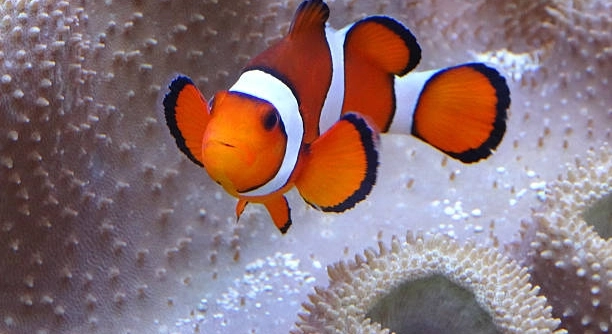
Is your clownfish spending too much time resting at the bottom of the tank? Many fish owners notice their clownfish seem less lively than expected. Understanding how to encourage more activity can improve their health and enjoyment.
Increasing clownfish activity involves creating a stimulating environment, ensuring proper water quality, providing a balanced diet, and encouraging natural behaviors. Each factor contributes to the fish’s overall well-being and promotes more active swimming and exploration.
These practical steps will help your clownfish thrive. Enhancing their environment and care routine can lead to noticeable improvements in their daily activity levels.
Provide a Spacious Tank Environment
A spacious tank allows clownfish to swim freely and explore their surroundings, which encourages natural activity. When the tank is too small or overcrowded, clownfish may feel stressed and become less active. It is important to select a tank size appropriate for your clownfish, ideally starting at 20 gallons for a pair. Ensure there is enough room for swimming and hiding places, like live rock or coral. These elements create a more engaging environment, which promotes movement and curiosity. Regular maintenance is necessary to keep the tank clean and prevent water quality issues that could limit activity. Proper filtration and water flow also support healthy swimming behavior. A well-maintained, spacious tank helps reduce stress, allowing clownfish to display their natural, lively behaviors. This setup benefits their overall health and reduces the risk of disease, making your tank a better habitat for active clownfish.
A roomy tank and proper setup are key to encouraging your clownfish to move more and be healthier overall.
Providing an environment that mimics their natural habitat encourages your clownfish to swim actively. Live rock and coral create hiding spots that reduce stress, while open swimming areas give them space to exercise. Clean, well-filtered water and stable conditions also support their energy. Ensuring your tank has the right size and features promotes healthier and happier clownfish.
Maintain Optimal Water Quality
Good water quality is essential for the health and activity of clownfish. Poor water conditions can cause stress, illness, and lethargy. Regular testing for ammonia, nitrites, nitrates, pH, and temperature helps maintain a stable environment. The ideal temperature range for clownfish is between 74°F and 78°F, with a pH around 8.0 to 8.4. Keeping these levels consistent reduces stress and encourages more natural movement. Frequent partial water changes help remove toxins and replenish minerals. Avoid overcrowding and overfeeding, as they can deteriorate water quality quickly. Using a reliable filtration system is also important to keep the water clean and oxygenated. Healthy water conditions not only improve clownfish activity but also support their immune system, reducing the chance of disease.
Consistent monitoring and maintenance of water quality will keep your clownfish active and healthy in their environment.
Provide a Balanced Diet
A balanced diet is vital for clownfish energy and activity. Feeding them high-quality pellets, flakes, and frozen foods like brine shrimp or mysis shrimp ensures proper nutrition.
Clownfish require a mix of proteins, vitamins, and minerals to stay healthy and active. Regularly offering varied foods helps meet their nutritional needs. Overfeeding can lead to poor water quality, so feed small amounts two to three times daily. Supplementing their diet with occasional live foods encourages natural hunting behavior and stimulates activity. Avoid feeding only one type of food, as it may cause deficiencies and reduce energy levels.
Proper nutrition boosts your clownfish’s metabolism and vitality. Healthy clownfish show more active swimming, exploration, and interaction with their environment. By maintaining a consistent feeding routine with quality foods, you support their overall health and encourage natural, lively behavior.
Encourage Natural Behavior with Tank Mates
Choosing compatible tank mates can stimulate clownfish activity by encouraging interaction and natural behavior. Avoid aggressive or overly shy species.
Tank mates like gobies, dartfish, or peaceful wrasses create a dynamic environment where clownfish can display territorial and social behaviors. Interaction with other peaceful fish reduces boredom and promotes movement. Keep in mind that overcrowding leads to stress and less activity. Observe how your clownfish respond to new tank mates and adjust accordingly. Proper pairing helps maintain a balanced community that keeps all fish active and healthy without causing conflict.
A well-chosen community tank encourages your clownfish to be more engaged with their surroundings, making their behavior more natural and lively over time.
Provide Hiding Spots
Clownfish feel safer and more confident when they have places to hide. Rocks, caves, and artificial coral offer secure spots that reduce stress.
Hiding spots encourage natural exploration and reduce fear, which helps clownfish become more active. Without shelter, they may stay still and hide constantly, limiting their movement and natural behaviors.
Maintain Stable Lighting
Proper lighting supports the natural day-night cycle for clownfish. Avoid sudden changes to prevent stress and promote regular activity patterns.
Use Gentle Water Flow
Clownfish thrive with moderate water flow that mimics their natural reef environment. Strong currents can cause stress and reduce movement. Gentle flow encourages swimming and exploration.
Avoid Overcrowding
Too many fish in one tank increase competition and stress. Overcrowding often results in less active clownfish due to fear or dominance from others.
How often should I feed my clownfish to keep them active?
Feeding your clownfish two to three times a day in small amounts is ideal for maintaining energy and activity. Overfeeding can cause water quality issues, leading to lethargy and health problems. A balanced feeding schedule with varied foods supports their metabolism and encourages natural behaviors, keeping them lively.
What types of food are best for increasing clownfish activity?
A diet rich in protein and nutrients helps clownfish stay active. High-quality pellets or flakes formulated for marine fish, combined with frozen or live foods like brine shrimp, mysis shrimp, or copepods, provide essential vitamins and minerals. Offering occasional live food also stimulates natural hunting instincts, which boosts activity.
Can the size of the tank affect my clownfish’s activity?
Yes, the tank size plays a significant role in clownfish behavior. A tank smaller than 20 gallons may limit swimming space, causing stress and inactivity. Providing at least 20 gallons or more allows enough room for exploration and movement, which helps your clownfish remain energetic and healthy.
How important is water quality for clownfish activity?
Water quality is crucial for clownfish health and activity. Poor water conditions, like high ammonia or nitrite levels, cause stress and fatigue. Maintaining stable parameters—temperature around 74°F to 78°F, pH between 8.0 and 8.4—and regular water changes promote a healthy environment that encourages natural swimming and activity.
Will adding tank mates make my clownfish more active?
Compatible tank mates can stimulate your clownfish by encouraging social interaction and natural behaviors. Peaceful species like gobies or wrasses create a lively environment without causing stress or aggression. Avoid aggressive or overly shy species, which might reduce clownfish activity or cause stress.
How do hiding spots influence clownfish activity?
Providing places to hide helps clownfish feel secure, reducing stress and encouraging natural exploration. Without hiding spots, clownfish may stay still or hide excessively, limiting movement. Adding rocks, caves, or coral improves their environment and supports more confident, active swimming.
Does lighting affect clownfish behavior?
Yes, lighting plays a role in regulating clownfish activity. Consistent lighting that simulates natural day and night cycles helps maintain regular behavior patterns. Sudden changes in light intensity or duration can stress clownfish, causing lethargy or hiding. Using a timer can help keep lighting stable.
What water flow is best for clownfish?
Clownfish prefer moderate, gentle water flow that mimics reef currents. Strong currents can tire them out or stress them, reducing activity. Gentle water movement encourages swimming and allows them to interact naturally with their environment, increasing their overall activity level.
Can overcrowding reduce clownfish activity?
Overcrowding can lead to competition for space, food, and hiding spots. This causes stress and can make clownfish less active or aggressive. Keeping a reasonable fish population in the tank ensures each clownfish has enough space to swim and behave naturally, promoting more movement and better health.
How often should I clean the tank to maintain activity?
Regular tank cleaning and partial water changes are necessary to keep the environment healthy. Cleaning should be done weekly or biweekly, depending on tank size and fish load. Removing waste and debris prevents toxin buildup that can cause lethargy. Clean tanks encourage healthier, more active clownfish.
What signs indicate my clownfish are not active due to health issues?
Signs include lethargy, staying near the bottom, loss of appetite, and faded color. These can signal stress or illness. Poor water quality, improper diet, or disease may be causes. Promptly addressing these factors and maintaining a clean environment helps restore activity and health.
Can stress from frequent tank changes affect clownfish activity?
Yes, frequent or sudden tank changes can cause stress, leading to reduced activity. Stability in water parameters and tank setup is important. When changes are necessary, doing them gradually and keeping conditions consistent helps minimize stress and keeps clownfish active.
Maintaining an active clownfish requires attention to several important factors in their care. Providing a spacious tank with clean, well-filtered water creates a comfortable environment where clownfish can swim freely and behave naturally. The size of the tank plays a key role in reducing stress and allowing the fish to explore. Keeping water quality stable with regular testing and water changes supports their health and energy levels. When these conditions are met, clownfish are more likely to be lively and show their natural behaviors. A clean, well-maintained tank is the foundation for an active and healthy clownfish.
Feeding is another essential part of encouraging clownfish activity. A balanced diet that includes high-quality pellets, flakes, and occasional frozen or live foods gives clownfish the nutrients they need to stay energetic. Overfeeding or poor-quality food can lead to water problems or health issues that reduce their movement. It is important to feed the right amounts and provide variety to support their metabolism. Encouraging natural hunting behaviors with live food can also stimulate more activity. A healthy diet combined with good tank conditions creates the best environment for your clownfish to thrive.
Finally, creating a tank environment that encourages natural behavior helps keep clownfish active. Providing hiding spots like rocks and coral allows them to feel safe, reducing stress that can make them inactive. Choosing compatible tank mates adds social interaction, which promotes movement and reduces boredom. Proper lighting and gentle water flow that mimic natural conditions help regulate their daily activity patterns. Avoiding overcrowding prevents stress and competition. Paying attention to these details ensures that clownfish stay energetic and healthy in your care, making your aquarium a more enjoyable place to observe them.

Hello,
If you enjoy the content that we create, please consider saying a "Thank You!" by leaving a tip.
Every little bit helps us continue crafting quality advice that supports the health, happiness, and well-being of pets around the world, for pets of all shapes, sizes, and species.
We really appreciate the kindness and support that you show us!