
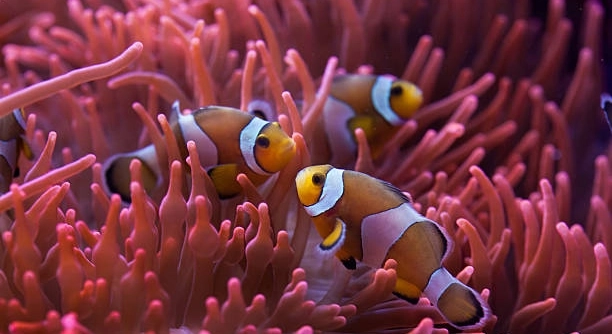
Have you ever set up a saltwater tank and wondered if your favorite fish and shrimp can safely live together?
Clownfish can live with shrimp in the same tank, provided the setup meets the needs of both species. Proper tank size, stable water parameters, and adequate hiding spots are essential to support peaceful coexistence and reduce stress.
Understanding the right tank conditions can help you create a balanced and healthy home for both clownfish and shrimp.
Can Clownfish and Shrimp Live Together Peacefully?
Clownfish and shrimp can live together peacefully if the aquarium is set up with care. Both species need clean, stable water and plenty of hiding spaces. Clownfish are generally peaceful, especially tank-bred varieties, which adapt well to shared tanks. Shrimp, like cleaner shrimp or peppermint shrimp, are usually non-aggressive and helpful in maintaining tank hygiene. Keeping both in the same tank can work well if you avoid aggressive tank mates and provide a balanced environment. Make sure the tank is cycled properly before introducing them. Also, introduce them gradually to avoid territorial behavior and unnecessary stress.
Avoid putting them in small tanks. A cramped setup causes territorial stress and poor water quality.
If you want a calm tank, go with species known for their peaceful nature. Tank-bred clownfish and cleaner shrimp are easier to manage. Always research compatibility before introducing any new species. Observation during the first week is especially important.
Tank Setup Tips for Success
Stick to tanks 20 gallons or larger. Smaller tanks can’t support both species comfortably over time.
Start by choosing a reliable filtration system to keep water clean and oxygenated. Stable salinity, temperature, and pH are vital for both clownfish and shrimp. Include live rock structures with gaps and caves so shrimp can hide and feel secure. Clownfish appreciate space to swim but also enjoy having an anemone or similar structure nearby. Use a fine sand substrate to avoid injury to the shrimp. Test water parameters weekly and perform regular water changes to prevent ammonia and nitrate build-up. Feed both species a varied diet that includes frozen, flake, and pellet food. Spot-feed shrimp if necessary, especially in larger tanks where food may not reach the bottom. Always introduce shrimp before clownfish to avoid territorial behavior. Be patient and observe their interactions daily for any signs of stress or aggression.
Choosing the Right Shrimp Species
Go for shrimp species known to be peaceful and reef-safe. Cleaner shrimp, peppermint shrimp, and fire shrimp are the most popular options for clownfish tanks.
Cleaner shrimp (Lysmata amboinensis) are one of the best choices due to their calm behavior and helpful habits. They often clean other fish by removing dead skin and parasites, which many clownfish tolerate well. Peppermint shrimp (Lysmata wurdemanni) are another good option, especially for tanks with aiptasia problems. They tend to stay hidden but usually avoid conflict. Fire shrimp (Lysmata debelius) are a bit shyer but can do well in well-structured tanks with plenty of hiding spaces. Avoid coral banded shrimp or larger aggressive varieties, as they can become territorial and may harm smaller fish. Always check for compatibility before purchase.
When choosing shrimp, make sure their size is appropriate for your tank and clownfish. Very small shrimp may become targets, especially in smaller tanks.
Common Mistakes to Avoid
Placing both species in an uncycled or unstable tank leads to health issues. Avoid rushing the process and skipping water tests or regular maintenance.
Overstocking is a common issue, especially in small tanks. Clownfish and shrimp need space to move, rest, and feel safe. Too many fish or invertebrates lead to poor water quality and stress. Skipping hiding places is another mistake; shrimp become anxious without cover and may not feed well. Avoid using medications that contain copper, as they’re harmful to invertebrates. Incompatible tank mates, such as aggressive wrasses or puffers, can also pose a threat to shrimp. Always research each species before adding them. Keep lighting and water flow moderate—shrimp don’t do well in strong currents. Feeding is also important; ensure shrimp get enough food, especially in community tanks. Spot feeding or sinking pellets can help. Regular observation helps you catch problems early and adjust care accordingly.
Monitoring Behavior After Introduction
Watch closely for signs of aggression or stress during the first few days. Clownfish may act territorial at first, but this usually settles with time if the shrimp has places to hide.
If the shrimp stays hidden constantly or avoids eating, it could be stressed. Adjust tank conditions if needed.
Best Feeding Practices
Feed clownfish once or twice a day using a mix of flakes, pellets, and frozen foods. Shrimp often scavenge leftovers but may need targeted feeding, especially in large tanks. Use sinking pellets or small bits of frozen food placed near their hiding spots. Avoid overfeeding, as leftover food harms water quality. Make sure both species get enough nutrition by observing them during feeding times. Feeding at the same time daily helps build a routine and reduces competition for food. Always remove uneaten food after 5–10 minutes to keep the tank clean and balanced.
Signs It’s Not Working
Frequent hiding, missing shrimp, or torn fins are all signs something is wrong. Separate them if aggression continues.
Can clownfish and shrimp share the same tank safely?
Yes, clownfish and certain shrimp species can coexist safely in a well-maintained aquarium. Peaceful shrimp like cleaner shrimp, peppermint shrimp, and fire shrimp usually get along well with clownfish if the tank environment supports their needs. Proper hiding spots, stable water conditions, and avoiding aggressive tank mates are key factors.
What shrimp species are best for clownfish tanks?
Cleaner shrimp (Lysmata amboinensis) are often recommended because of their peaceful nature and cleaning behavior. Peppermint shrimp (Lysmata wurdemanni) are helpful for controlling pests like aiptasia and are generally shy but compatible. Fire shrimp (Lysmata debelius) prefer lots of hiding places and tend to avoid conflict. Avoid coral banded shrimp or larger aggressive species that may harm clownfish or other tank inhabitants.
Do clownfish ever attack shrimp?
Clownfish can be territorial, especially when first introduced to a tank. Tank-bred clownfish are usually less aggressive. If the shrimp has plenty of hiding spaces, most clownfish will leave them alone after adjusting. Aggression can increase if the tank is too small or overcrowded.
What tank size is suitable for keeping clownfish and shrimp together?
A tank of 20 gallons or more is recommended. This size provides enough space for both species to establish territories and hide without feeling cramped. Smaller tanks often cause stress and increase chances of aggression. Proper filtration and stable water parameters are essential regardless of tank size.
How should I feed shrimp and clownfish in the same tank?
Feed clownfish flakes, pellets, and frozen foods once or twice daily. Shrimp usually scavenge leftovers but may need extra feeding with sinking pellets or frozen bits near their hiding spots. Avoid overfeeding, which can harm water quality. Feeding at regular times encourages good eating habits and reduces competition.
What water conditions do clownfish and shrimp require?
Both prefer stable saltwater conditions: temperature around 75-82°F (24-28°C), pH 8.1-8.4, and salinity of 1.023-1.025 specific gravity. Regular water testing and maintenance help prevent ammonia or nitrate buildup, which harms both species. Good filtration and regular water changes are crucial.
Can shrimp clean clownfish in the tank?
Cleaner shrimp often remove parasites and dead skin from fish, including clownfish, which benefits overall health. This natural cleaning behavior can reduce stress and disease risks, but not all shrimp species clean fish, so it depends on the shrimp you keep.
What signs indicate shrimp or clownfish are stressed?
Shrimp that hide constantly, refuse to eat, or show damaged limbs may be stressed. Clownfish showing aggression, loss of appetite, or torn fins are signs of stress. Poor water quality, lack of hiding places, or aggressive tank mates often cause these issues.
How do I introduce shrimp and clownfish to the tank?
Introduce shrimp before clownfish when possible. This allows shrimp to establish hiding spots without immediate threat. Acclimate both species slowly to tank conditions to reduce shock. Observe their behavior closely for the first week and be ready to separate if aggression appears.
Are there any tank mates to avoid with clownfish and shrimp?
Avoid aggressive fish like puffers, triggerfish, or large wrasses that may harm shrimp. Some fish see shrimp as food, which risks their survival. Peaceful community fish that do not disturb the bottom or small invertebrates make better tank mates.
Can clownfish and shrimp breed in the same tank?
Clownfish can breed in captivity under the right conditions, but shrimp breeding is more complex and depends on species. Breeding shrimp usually requires specific water conditions and diet. Successful breeding of either species in community tanks requires experience and careful monitoring.
What should I do if aggression occurs between clownfish and shrimp?
First, check if the tank size and environment are suitable. Add more hiding places or rearrange decorations to reduce territorial disputes. If aggression persists, separate the species into different tanks to prevent injury or stress. Regular observation is key to early intervention.
How often should I clean the tank when keeping clownfish and shrimp?
Perform partial water changes of 10-20% weekly or biweekly to maintain water quality. Clean filters regularly without removing all beneficial bacteria. Remove uneaten food promptly to prevent decay. Keeping the tank clean supports the health of both clownfish and shrimp.
Can lighting affect clownfish and shrimp behavior?
Moderate lighting suits both species well. Too bright lighting can stress shrimp, causing them to hide excessively. Too dim lighting affects clownfish activity and color. Use timers to create a stable day-night cycle, which helps maintain natural behavior.
Is it necessary to quarantine shrimp or clownfish before adding them to the tank?
Quarantining new arrivals is recommended to prevent introducing diseases or parasites. A separate quarantine tank for at least two weeks allows you to observe health and treat any issues before introducing new animals to the main tank.
What plants or decorations work best in a clownfish and shrimp tank?
Live rock with caves and crevices provides excellent hiding places for shrimp and resting spots for clownfish. Soft corals or anemones can be suitable if compatible with the species. Avoid sharp decorations that may injure shrimp. Sand or fine gravel substrate is ideal.
How can I tell if my shrimp are healthy?
Healthy shrimp are active, feed regularly, and show bright colors. Their antennae move constantly, and they explore the tank. Limp or discolored shrimp with missing limbs or slow movement may be sick or stressed. Water quality is often the root cause.
What temperature range should I maintain for both species?
Keep the water between 75°F and 82°F (24-28°C). Consistent temperature within this range supports metabolism and immune function. Sudden changes or extremes can cause stress and illness in both clownfish and shrimp.
Can shrimp live without clownfish in the tank?
Yes, shrimp can thrive without clownfish if their environmental needs are met. However, in community tanks, clownfish and shrimp often coexist well and benefit from shared space and food sources.
How long do clownfish and shrimp typically live in captivity?
Clownfish usually live 5 to 10 years with proper care. Shrimp lifespans vary by species, generally ranging from 1 to 5 years. Maintaining good water quality and nutrition helps maximize their lifespan.
What are the main challenges of keeping clownfish and shrimp together?
The biggest challenges include managing aggression, ensuring proper feeding for both, and maintaining stable water conditions. Providing enough space and hiding places helps reduce conflicts. Regular monitoring and maintenance are essential to prevent health problems.
Keeping clownfish and shrimp together in the same tank can be a rewarding experience when done correctly. Both species can coexist peacefully if the tank is well-maintained and the needs of each are met. It is important to provide enough space, hiding spots, and stable water conditions. Overcrowding or poor water quality often leads to stress and aggression, which can harm both clownfish and shrimp. Choosing peaceful shrimp species, such as cleaner shrimp or peppermint shrimp, helps reduce the chance of conflict. Proper tank setup and regular maintenance are essential for their health and wellbeing.
Feeding both clownfish and shrimp requires some attention. While clownfish eat flakes, pellets, and frozen food, shrimp often rely on leftover food but may also need targeted feeding, especially in larger tanks. Using sinking pellets or small bits of frozen food near shrimp hiding spots ensures they get enough nutrition. Avoid overfeeding, as excess food can quickly reduce water quality and cause health problems. Regular observation during feeding times helps ensure both species are eating well and not competing aggressively. A balanced diet and proper feeding schedule support their long-term health.
Finally, patience and careful monitoring are key when keeping clownfish and shrimp together. When introducing them to the tank, do it slowly and watch for any signs of stress or aggression. Providing plenty of hiding places for shrimp and enough swimming space for clownfish allows them to establish territories and feel secure. If problems arise, adjusting the tank setup or separating the animals may be necessary. With the right care and attention, clownfish and shrimp can live happily in the same tank, creating a beautiful and interesting aquatic environment.

Hello,
If you enjoy the content that we create, please consider saying a "Thank You!" by leaving a tip.
Every little bit helps us continue crafting quality advice that supports the health, happiness, and well-being of pets around the world, for pets of all shapes, sizes, and species.
We really appreciate the kindness and support that you show us!