
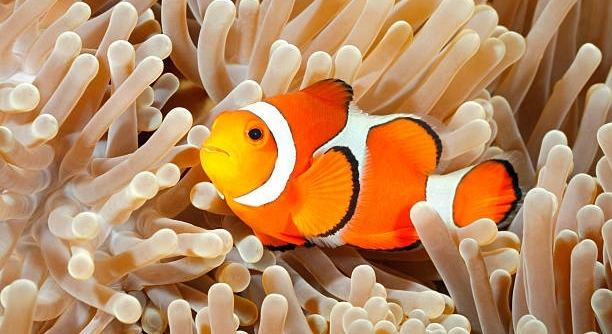
Clownfish are popular pets for many aquarium enthusiasts who want to enjoy vibrant marine life at home. Setting up the right environment is important for their health and happiness. One key aspect is choosing an appropriately sized tank.
A clownfish tank should be at least 20 gallons to provide enough space for swimming and proper water quality. Larger tanks help maintain stable conditions and reduce stress, ensuring a healthy environment for clownfish and their tank mates.
Knowing how to size a tank correctly can improve your clownfish’s well-being and make maintenance easier over time.
Why Tank Size Matters for Clownfish
Choosing the right tank size is essential for clownfish health and behavior. Smaller tanks can cause water conditions to change rapidly, which stresses the fish and may lead to illness. Clownfish need enough space to swim comfortably and establish territory. A tank that is too small limits their movement and social interaction. Additionally, water quality is easier to maintain in larger tanks because waste and toxins are diluted more effectively. Proper filtration and regular water changes also support a stable environment. In tanks smaller than 20 gallons, these tasks become more demanding and less reliable. Providing adequate space helps clownfish show natural behaviors and promotes their overall well-being. This is especially true if you plan to keep multiple fish or add other species, which require even more room to coexist peacefully.
Tank size directly impacts the quality of life for clownfish and the success of your aquarium setup.
Understanding the importance of tank size early on can prevent many common problems and improve your experience caring for clownfish.
Tank Size Recommendations
A minimum tank size of 20 gallons is recommended for a single clownfish. For a pair or community setup, 30 gallons or more is ideal.
Larger tanks create a more balanced environment and reduce maintenance frequency. In bigger tanks, fluctuations in temperature, salinity, and waste levels happen more slowly. This stability keeps clownfish healthier and less stressed. It also allows room for plants, corals, or other compatible fish that enhance the tank’s ecosystem. Space is especially important because clownfish can be territorial. If they feel cramped, aggression may increase. A spacious tank lets fish establish their own zones without conflict. Starting with a bigger tank can save effort and cost in the long run. Smaller tanks may seem easier at first but often require more attention to keep water parameters stable and fish happy. Proper planning for tank size ensures a thriving habitat for your clownfish and a more enjoyable aquarium experience.
Tank Setup Essentials
A suitable tank setup includes proper filtration, lighting, and hiding spots for clownfish. These elements create a healthy, comfortable environment.
Filtration is crucial to keep water clean and reduce toxins. A good filter maintains oxygen levels and removes waste. Lighting should mimic natural conditions, helping any live plants or corals thrive. Clownfish feel safer with places to hide, such as rocks or anemones, which reduce stress and encourage natural behavior. These details make a big difference in how well clownfish adapt to their tank.
Proper setup balances the tank’s ecosystem and supports the well-being of all aquatic life. Without these basics, maintaining water quality and fish health becomes challenging.
Common Mistakes in Tank Sizing
Many people choose tanks that are too small for their clownfish, leading to unstable water conditions. Smaller tanks demand more frequent cleaning and monitoring to avoid harmful spikes in ammonia or nitrites. Overcrowding is another common mistake; it increases stress and aggression among fish. Inadequate space can stunt growth and reduce lifespan. Choosing a tank too large, however, may cause unnecessary expenses and more water to treat. Balancing size with your maintenance capacity and future plans helps avoid these problems. Investing in an appropriately sized tank from the start creates a smoother, more enjoyable aquarium experience.
Water Quality and Tank Size
Maintaining good water quality is easier in larger tanks. Bigger volumes dilute toxins and reduce sudden changes.
Smaller tanks need frequent water testing and changes to keep parameters stable. This can be time-consuming and stressful for both fish and owner.
Adding Other Species
When keeping clownfish with other species, tank size should increase accordingly. More space reduces aggression and competition. This also improves the overall health of all tank inhabitants by providing enough room for each species to thrive.
Recommended Tank Shape
A wider tank is better than a tall, narrow one. Horizontal swimming space suits clownfish behavior and provides more area for territory and hiding spots.
Equipment Needs
A larger tank requires more powerful filtration and lighting. Proper equipment helps maintain a balanced and healthy environment for clownfish and their companions.
FAQ
How many clownfish can I keep in a 20-gallon tank?
In a 20-gallon tank, it’s best to keep one or two clownfish. This size provides enough space for a single pair to establish territory without overcrowding. Adding more can cause stress and aggression, as clownfish are territorial by nature. Maintaining water quality is also easier with fewer fish, reducing health risks.
Can clownfish live in smaller tanks than 20 gallons?
While clownfish can survive in smaller tanks, it is not recommended. Smaller tanks have unstable water conditions, making it harder to maintain proper parameters. Frequent water changes and careful monitoring are required to keep fish healthy. Stress from cramped spaces can reduce their lifespan and cause behavioral problems.
What type of filtration is best for a clownfish tank?
A reliable filter that provides mechanical, biological, and chemical filtration is ideal. Biological filtration is essential for breaking down harmful ammonia and nitrites. Canister filters or hang-on-back filters are popular choices for their efficiency. Proper filtration maintains water clarity and quality, supporting a healthy environment.
Do clownfish need live plants or anemones in their tank?
Live plants and anemones are not necessary but can enhance the tank’s ecosystem. Anemones provide natural shelter and comfort, encouraging natural clownfish behavior. However, anemones require specific lighting and water conditions. Live plants help with water quality and oxygen but are optional for clownfish.
Is a bigger tank always better for clownfish?
A bigger tank generally provides a more stable environment and space for natural behavior. However, it requires more maintenance and equipment costs. It’s important to balance tank size with your ability to care for it properly. Oversized tanks without proper care can still lead to problems.
How often should I change the water in a clownfish tank?
Water changes of about 10-20% every one to two weeks are recommended. This helps remove waste and toxins while maintaining stable water parameters. Frequency depends on tank size, filtration efficiency, and the number of fish. Regular testing ensures water quality stays within safe limits.
Can I keep clownfish with other fish species?
Clownfish can coexist with many peaceful fish species, but tank size must be increased accordingly. Avoid aggressive or much larger fish that may bully clownfish. Suitable tank mates include gobies, blennies, and some small wrasses. Compatibility and space reduce stress and aggression.
What temperature is best for clownfish tanks?
Clownfish thrive in water temperatures between 74°F and 79°F (23°C to 26°C). Stable temperature control is crucial, as sudden changes cause stress and health issues. Using a reliable aquarium heater and thermometer helps maintain consistent conditions.
How important is tank shape for clownfish?
Tank shape matters because clownfish prefer horizontal swimming space. Wide, shallow tanks allow better territory establishment and natural movement. Tall, narrow tanks limit space and can increase stress. Consider the fish’s behavior when selecting tank dimensions.
What signs show that my clownfish tank is too small?
Signs include increased aggression, hiding, loss of color, or sluggish behavior. Water quality problems such as cloudy water or frequent algae growth also indicate overcrowding or insufficient space. Fish that appear stressed or ill often need a larger or better-maintained tank.
Choosing the right tank size for clownfish is a key step to keeping them healthy and happy. A tank that is too small can cause stress, poor water quality, and aggressive behavior. On the other hand, a properly sized tank provides enough space for swimming, establishing territory, and creating a balanced environment. Most experts recommend a minimum of 20 gallons for a single clownfish, with larger tanks preferred if you plan to keep pairs or other fish. This size helps keep water conditions stable and reduces the frequency of maintenance needed.
Aside from the size, the tank’s shape and setup also play an important role. Clownfish need horizontal swimming space more than height because they tend to swim near rocks and anemones. A wider tank gives them room to move naturally and claim their territory. The tank should include places to hide or take shelter, such as live rock or artificial caves. Proper filtration and lighting support the health of the fish and any plants or corals you may want to keep. Good water quality is easier to maintain in larger tanks, and this contributes to the overall well-being of your clownfish.
Taking the time to choose the right tank size and setup will make caring for clownfish more rewarding. While bigger tanks require more space and sometimes a higher initial investment, they provide a more stable environment that benefits the fish in the long run. Smaller tanks may seem easier at first but often require extra work to maintain proper conditions. By starting with the right size, you can enjoy watching your clownfish thrive and behave naturally. Proper tank size, equipment, and care all combine to create a peaceful and healthy home for these colorful marine fish.

Hello,
If you enjoy the content that we create, please consider saying a "Thank You!" by leaving a tip.
Every little bit helps us continue crafting quality advice that supports the health, happiness, and well-being of pets around the world, for pets of all shapes, sizes, and species.
We really appreciate the kindness and support that you show us!