
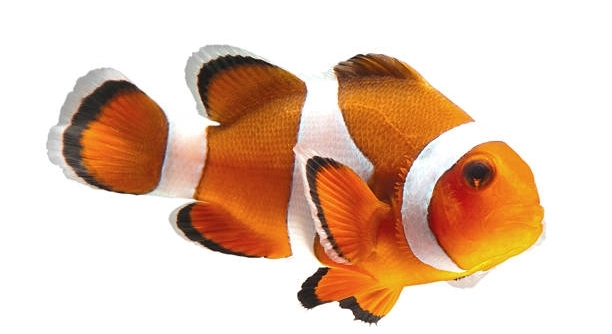
Clownfish are popular aquarium pets known for their bright colors and lively behavior. Many owners enjoy watching them swim, but sometimes these fish jump out of their tanks unexpectedly. This article explains why clownfish jump and how to keep them safe.
Clownfish may jump from tanks due to factors like poor water quality, lack of hiding spots, sudden changes in environment, or stress from tank mates. Understanding these causes is essential for maintaining their health and preventing escapes.
Learning about these reasons will help you create a better home for your clownfish. Knowing how to prevent jumping keeps your fish safe and your aquarium stable.
Poor Water Quality
Poor water quality is one of the most common reasons clownfish jump out of tanks. When the water contains high levels of ammonia, nitrites, or nitrates, it can irritate the fish and make them uncomfortable. Low oxygen levels or incorrect pH can also stress clownfish, leading them to try escaping. Keeping the tank clean by performing regular water changes and testing water parameters is essential. Proper filtration helps maintain a healthy environment. If water conditions are not monitored, the fish may become weak and more likely to jump. It is important to understand that clownfish depend on stable water conditions to thrive and feel secure in their habitat.
Regular water testing and changes will reduce jumping incidents. Clean water means healthier clownfish and less stress.
Monitoring water quality involves checking parameters like ammonia, nitrite, nitrate, pH, and oxygen levels. A good filter and regular maintenance keep these factors balanced. Using a water test kit allows quick checks, and changing 10-20% of the water weekly helps remove harmful substances. Avoid overfeeding as leftover food can pollute water. Keeping water temperature stable is also important, as fluctuations may cause stress. By maintaining clean, stable water, clownfish feel safer and are less likely to leap out of the tank.
Lack of Hiding Spots
Clownfish need places to hide and feel secure. Without enough shelters, they become anxious and restless. This discomfort can cause them to jump out. Providing live rocks, caves, or artificial decorations helps mimic their natural environment. Hiding spots give clownfish a sense of safety from potential threats or tank mates. Even small spaces can make a big difference in reducing stress and promoting normal behavior.
Adding hiding places creates a calmer tank environment.
Clownfish live among sea anemones in the wild, where they find protection. In a tank, similar structures serve the same purpose. When hiding spots are limited, fish feel exposed and may try to escape. Arrange decorations to offer multiple shelter options and break up open swimming space. This setup reduces anxiety and prevents jumping. Watching how your fish interact with the environment helps you adjust hiding spots as needed, improving their comfort and wellbeing.
Sudden Changes in Environment
Clownfish are sensitive to sudden changes in their tank. Rapid shifts in temperature, lighting, or water chemistry can stress them out.
Such changes disturb the fish’s routine and can cause panic or confusion. For example, a sudden drop in temperature or strong light can trigger jumping. Maintaining stable conditions is key to keeping clownfish calm. Avoid rearranging decorations or cleaning the tank aggressively in one go, as these actions can also unsettle them.
If changes are necessary, it’s best to introduce them gradually. Slow adjustments help the fish adapt without stress. Consistency in the tank environment promotes comfort and reduces the risk of jumping.
Stress from Tank Mates
Stress from aggressive or incompatible tank mates often causes clownfish to jump. Fish that chase or bully clownfish create an unsafe space. This stress increases their desire to escape.
Choosing compatible species is important when setting up a tank. Clownfish do well with peaceful fish that don’t compete aggressively for territory. Avoid placing large, aggressive species in the same tank.
Observe fish interactions regularly. If bullying occurs, separating the aggressive fish or providing more hiding spots can reduce stress. A calm environment helps clownfish feel secure and less likely to jump.
Poor Tank Lid Fit
A poorly fitting tank lid makes it easy for clownfish to jump out. Even small gaps can be escape routes. Ensuring the lid fits tightly reduces this risk.
Using a secure, well-fitting lid keeps the tank safe. Regularly check for gaps or loose covers to prevent accidents.
Overcrowding
Overcrowding in a tank causes stress and competition for space. When there are too many fish, clownfish may feel threatened and try to escape. Maintaining appropriate stocking levels helps reduce tension and promotes a healthier environment for all tank inhabitants.
Lighting Stress
Too much or too little light can stress clownfish. Bright, intense lighting may cause discomfort, while dim lighting can affect their natural behavior. Finding the right balance is important for their well-being. Adjust lighting gradually to suit the tank’s needs and the fish’s comfort.
FAQ
Why do clownfish jump out of the tank?
Clownfish often jump due to stress, poor water quality, or sudden changes in their environment. They may also try to escape if the tank lacks hiding spots or if aggressive tank mates are causing tension. A loose lid or overcrowding can also lead to jumping behavior.
How can I prevent my clownfish from jumping?
To prevent jumping, maintain clean and stable water conditions with regular testing and changes. Provide plenty of hiding places like rocks and caves. Use a secure, tight-fitting lid to cover the tank. Keep compatible tank mates and avoid sudden changes in temperature or lighting.
Is it normal for clownfish to jump occasionally?
While occasional jumping can happen, frequent jumps usually indicate a problem in the tank. It’s important to check water quality, tank setup, and fish behavior to find the cause and make corrections.
What water parameters are best for clownfish?
Clownfish thrive in stable saltwater conditions with a temperature between 74°F and 79°F (23°C–26°C). The pH should be around 8.1 to 8.4, ammonia and nitrite must be zero, and nitrate should be kept low (under 20 ppm). Regular testing helps maintain these levels.
Can stress cause clownfish to jump?
Yes, stress is a major factor in jumping. Stress can come from poor water quality, overcrowding, aggressive tank mates, or lack of hiding places. Keeping the tank environment calm and secure reduces stress and prevents jumping.
How often should I clean my clownfish tank?
Regular maintenance is key. Perform partial water changes of 10-20% weekly or biweekly depending on tank size and bio-load. Clean the filter monthly but avoid changing all filter media at once to preserve beneficial bacteria. Remove uneaten food and waste daily.
Are there certain tank mates that make clownfish jump?
Aggressive or territorial fish can stress clownfish, increasing jumping risk. Avoid pairing clownfish with large predatory species or overly aggressive fish. Peaceful community fish and other reef-safe species work best as companions.
What should I do if my clownfish jumps out?
If a clownfish jumps out, act quickly. Gently pick it up with wet hands or a soft net to avoid injury. Return it to the tank immediately and check the water quality and tank conditions to find and fix the reason for jumping.
Does lighting affect clownfish behavior?
Yes, improper lighting can cause discomfort and stress. Too bright or inconsistent light may make clownfish restless. Using adjustable lighting and mimicking natural day-night cycles helps keep them comfortable.
Can overcrowding lead to clownfish jumping?
Overcrowding causes stress and competition, which can make clownfish feel unsafe. Maintaining proper stocking levels prevents this stress and reduces the chance of fish trying to escape by jumping.
How can I tell if my clownfish is stressed?
Signs of stress include hiding more than usual, rapid breathing, loss of appetite, and erratic swimming. Jumping attempts are also a clear indication. Addressing tank conditions and providing a calm environment helps reduce stress.
Is a tank lid necessary for clownfish?
Yes, a tank lid is very important. Clownfish can jump quite high, so a secure lid prevents escapes and protects them from injury or death outside the water.
Can diet impact clownfish behavior?
A balanced diet helps keep clownfish healthy and less prone to stress-related behaviors. Overfeeding or poor nutrition can weaken their immune system and make them more restless.
What is the best way to introduce new fish with clownfish?
Introduce new fish slowly and carefully to avoid stress and aggression. Quarantine new arrivals and place them in the tank during feeding time to distract and reduce territorial behavior.
How long can clownfish survive out of water?
Clownfish can survive only a few minutes out of water before suffering serious harm. Quick recovery after a jump depends on how fast they are returned to the tank. Always be vigilant to prevent escapes.
Can aquarium decorations help prevent jumping?
Yes, decorations that provide shelter and break open swimming space help clownfish feel secure. Creating hiding spots reduces stress and lowers the chances of jumping.
What should I do if I suspect water quality problems?
Test the water immediately and perform a partial water change if needed. Check the filter and clean or replace media as necessary. Regular testing and maintenance keep water safe for clownfish.
Are clownfish jumpers more common in new tanks?
Yes, new tanks often have unstable conditions, which can stress clownfish and lead to jumping. Cycling the tank properly before adding fish and monitoring parameters carefully reduces this risk.
Can temperature fluctuations cause clownfish to jump?
Sudden temperature changes are stressful for clownfish. Keeping water temperature steady within the ideal range helps avoid discomfort and prevents jumping attempts.
How do I know if my tank is overcrowded?
Signs include aggressive behavior, frequent chasing, poor water quality, and stressed fish. Following stocking guidelines based on tank size helps prevent overcrowding and related problems.
This FAQ covers many common concerns about clownfish jumping behavior. Addressing these issues improves your fish’s health and keeps your aquarium a safe and peaceful place.
Clownfish jumping out of tanks is a common problem that many aquarium owners face. It can be worrying to find your fish outside their safe home, but understanding the reasons behind this behavior can help prevent it. Many factors, like poor water quality, stress, or an unsuitable environment, make clownfish feel uncomfortable and prompt them to jump. Taking care of these elements is essential for the well-being of your fish and helps create a stable and safe habitat.
Maintaining good water quality is one of the most important steps. Regular testing and water changes keep harmful chemicals low and oxygen levels steady. A secure tank lid is also necessary to prevent escapes, especially since clownfish are known to jump unexpectedly. Providing hiding spots and a calm environment helps reduce stress and makes clownfish feel secure. Tank mates should be chosen carefully, avoiding aggressive species that might bully or frighten your clownfish. Overcrowding should be avoided, as too many fish in one tank increase tension and competition for space.
Overall, keeping clownfish healthy and happy requires attention to their environment and needs. Simple actions like regular cleaning, stable water conditions, and proper tank setup go a long way in stopping jumping behavior. By understanding what causes clownfish to jump, you can create a comfortable space where they thrive. This will not only protect your fish but also make your aquarium more enjoyable to watch and care for. Taking the time to prevent jumping shows good care and helps your clownfish live longer, healthier lives.

Hello,
If you enjoy the content that we create, please consider saying a "Thank You!" by leaving a tip.
Every little bit helps us continue crafting quality advice that supports the health, happiness, and well-being of pets around the world, for pets of all shapes, sizes, and species.
We really appreciate the kindness and support that you show us!