
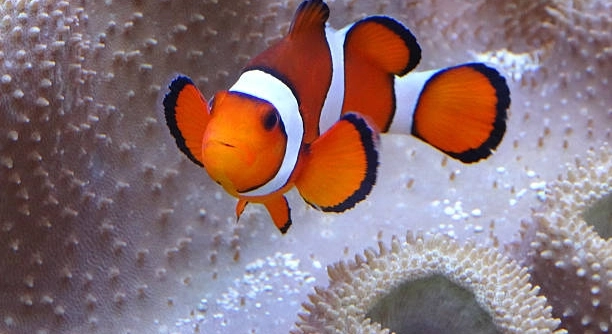
Clownfish are popular marine fish known for their bright colors and symbiotic relationship with sea anemones. Many people enjoy keeping clownfish in home aquariums or learning about their natural behavior in the wild. Understanding how long clownfish live can help both hobbyists and nature enthusiasts care for them properly.
Clownfish typically live between 6 to 10 years in captivity, depending on care quality, while in the wild, their lifespan can range from 6 to 15 years. Factors such as environment, diet, and tank conditions significantly impact their longevity.
Knowing the typical lifespan of clownfish helps ensure they receive appropriate care and live healthy lives in both natural and aquarium settings. This guide will cover key information about their lifespan and what influences it.
Factors Affecting Clownfish Lifespan
Several factors influence how long clownfish live. Water quality is one of the most important. Clean, well-filtered water helps prevent diseases and stress. Temperature also matters; clownfish thrive in stable temperatures between 75 and 82°F (24-28°C). Diet plays a key role—feeding them a balanced mix of protein-rich foods keeps them healthy. Tank size is important, too. A small tank can stress clownfish, shortening their lifespan. Stress from aggressive tank mates or poor habitat setup may also reduce their longevity. Finally, genetics can affect how long a clownfish lives. Some fish naturally live longer than others. Paying attention to these factors helps clownfish stay healthy and live longer.
Proper care is essential to maximize a clownfish’s lifespan. Avoid sudden changes in water conditions and keep their environment clean.
Maintaining stable water parameters and providing a varied diet rich in proteins will support the health of clownfish. Ensuring they have enough space and peaceful tank mates prevents stress and injuries. Regular monitoring of tank conditions and early disease detection also contribute to a longer life for these fish. Small details in care make a big difference over time.
Lifespan Differences: Wild vs. Captive Clownfish
Wild clownfish generally live longer than those in captivity.
In the wild, clownfish benefit from natural habitats with plenty of space and access to their natural diet, including plankton and small crustaceans. They also rely on sea anemones for protection, which helps reduce predation risks. However, they face threats like predators and environmental changes. In captivity, clownfish can live 6 to 10 years with good care, but many factors such as tank size, water quality, and diet influence this. Poor care or stressful environments can shorten their lifespan. Captive clownfish depend entirely on the owner to meet their needs, which can be challenging for beginners. Despite these challenges, captive clownfish can live long and healthy lives when cared for properly. Understanding these differences helps improve care in aquariums.
Common Health Issues in Clownfish
Clownfish are prone to diseases like marine ich and bacterial infections. Poor water quality and stress often cause these problems.
Marine ich appears as white spots on the fish’s body and can be fatal if untreated. Bacterial infections often cause redness, swelling, or ulcers. Both conditions require prompt treatment and improved tank conditions to prevent recurrence. Regular water changes and quarantine of new fish reduce risks.
Stress weakens clownfish immune systems, making them more vulnerable. Avoid overcrowding and aggressive tank mates. Maintaining proper water parameters and a nutritious diet supports their health and longevity.
Tips for Extending Your Clownfish’s Lifespan
Consistent tank maintenance is key to keeping clownfish healthy. Clean water and stable temperature help prevent disease.
Feeding a varied diet rich in proteins and vitamins promotes growth and resilience. Avoid overfeeding to prevent water pollution. Monitor behavior for signs of illness and act quickly. Quarantining new fish before introduction protects your clownfish from parasites. Providing hiding spots and a peaceful environment reduces stress and supports natural behaviors. Taking these steps helps ensure your clownfish live longer and thrive in captivity.
Ideal Tank Conditions for Clownfish
Clownfish need a tank of at least 20 gallons to thrive. Proper filtration and regular water changes are essential for clean water.
Stable temperature between 75°F and 82°F (24°C to 28°C) is important. Sudden changes can cause stress and illness.
Diet Recommendations for Clownfish
A balanced diet for clownfish includes pellets, flakes, and frozen foods like brine shrimp or mysis shrimp. Feeding small amounts twice daily helps maintain health. Fresh, varied food supports their immune system and vibrant colors.
Signs of Aging in Clownfish
Older clownfish may move slower and lose some color intensity. They might also eat less and rest more often. These are natural signs of aging but should still be monitored for health issues.
FAQ
How long do clownfish live in a home aquarium?
Clownfish usually live between 6 and 10 years in a home aquarium when given proper care. Their lifespan depends on water quality, diet, and tank conditions. With stable temperatures and clean water, they can thrive and sometimes live even longer. Regular monitoring and maintenance help prevent stress and disease, supporting their health.
What is the average lifespan of clownfish in the wild?
In the wild, clownfish can live up to 15 years. Natural habitats provide a more varied diet and space, which contribute to their longer lifespan. However, they face threats from predators and environmental changes. Protection from these factors and good health help them reach their maximum lifespan.
What causes clownfish to have shorter lifespans?
Poor water quality, stress, and improper diet are common reasons clownfish don’t live as long. Overcrowded tanks or aggressive tank mates increase stress and risk of injury. Sudden temperature changes and lack of hiding places can also shorten their life. Preventing these issues improves their chances for a longer life.
How can I improve my clownfish’s lifespan?
Keeping the tank clean and stable is the best way to improve lifespan. Feed a balanced diet and avoid overfeeding to maintain water quality. Providing enough space and peaceful tank mates reduces stress. Regularly check for signs of illness and act fast if problems arise. Quarantine new fish before adding them helps avoid diseases.
Do clownfish require special care compared to other marine fish?
Clownfish are fairly hardy but still need specific care to live long. They require stable water conditions and a diet that includes protein-rich foods. Their natural relationship with anemones can be replicated by providing hiding spots. Compared to some marine fish, clownfish are easier to care for but still benefit from attentive care.
Can clownfish live without anemones?
Yes, clownfish can live without anemones in captivity. Many aquarists keep clownfish happily without them by providing suitable hiding spots and good tank conditions. While anemones offer protection and comfort in the wild, clownfish adapt well to life without them if their environment meets their needs.
What signs show a clownfish is unhealthy?
Signs of illness include white spots, discoloration, sluggish movement, loss of appetite, and frayed fins. Clownfish that hide excessively or gasp at the surface may also be unwell. Early detection and treatment are crucial to prevent disease spread and increase chances of recovery.
Is tank size important for clownfish health?
Tank size affects clownfish well-being. A minimum of 20 gallons is recommended to provide enough space and stable water conditions. Smaller tanks can stress the fish, leading to health problems and shorter lifespan. Larger tanks help maintain water quality and reduce aggressive behavior, promoting a healthier environment.
How often should I feed my clownfish?
Feeding twice a day with small amounts is ideal. Overfeeding can pollute the tank, causing water quality issues. A varied diet including pellets, flakes, and frozen foods supports their nutritional needs. Watching their eating habits helps avoid leftovers and maintains a clean tank.
Do clownfish need companions to live longer?
Clownfish can live alone but often do better with tank mates when the environment is peaceful. Aggressive companions can cause stress and injuries. Keeping compatible species and providing hiding spots supports their well-being. Social interaction helps reduce stress but is not strictly necessary for lifespan.
Clownfish are fascinating creatures that can live for several years with the right care. Understanding their lifespan helps set realistic expectations for anyone keeping them in an aquarium. While clownfish can live up to 15 years in the wild, their life in captivity is usually a bit shorter, around 6 to 10 years. This difference comes down to factors like environment, diet, and stress levels. By providing stable water conditions, a balanced diet, and enough space, owners can help their clownfish live healthy, longer lives.
Proper care is the foundation of a clownfish’s lifespan. Regular tank maintenance, such as cleaning and monitoring water quality, plays a critical role in preventing diseases. Feeding them a nutritious and varied diet helps keep their immune system strong and supports their natural colors. It’s also important to avoid sudden changes in temperature or overcrowding, as these can cause stress, which weakens their health. Stress is often overlooked but has a big impact on how long clownfish live. A peaceful tank environment with compatible tank mates and hiding spots allows clownfish to thrive.
While clownfish are known for their bright colors and interesting behavior, they require attention and commitment to live well in captivity. Watching for signs of illness and acting quickly helps avoid bigger health problems. Quarantining new fish before adding them to the tank protects existing clownfish from infections. Even though clownfish are fairly hardy compared to some marine species, small details in care make a big difference in their lifespan. Overall, providing consistent, attentive care ensures clownfish stay healthy and happy for many years.

Hello,
If you enjoy the content that we create, please consider saying a "Thank You!" by leaving a tip.
Every little bit helps us continue crafting quality advice that supports the health, happiness, and well-being of pets around the world, for pets of all shapes, sizes, and species.
We really appreciate the kindness and support that you show us!