
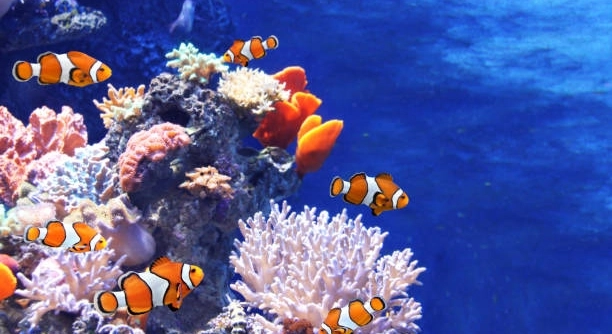
Clownfish are popular pets known for their bright colors and lively behavior. Sometimes, their swimming can look unusual or off-balance, which might cause concern for their health and well-being. Understanding the reasons behind this behavior is important for proper care.
Abnormal swimming in clownfish often results from health issues such as swim bladder disorders, water quality problems, or stress. These factors affect their buoyancy and movement, requiring prompt attention to restore normal behavior and maintain fish health.
This article will explain common causes and offer seven practical fixes to help your clownfish swim normally again and thrive in its environment.
Common Causes of Weird Swimming in Clownfish
Clownfish may swim oddly for several reasons. One main cause is a swim bladder disorder, which affects their ability to control buoyancy. Poor water quality can also stress clownfish, leading to unusual movement. Changes in temperature or pH levels may cause discomfort. Parasites and infections are additional reasons, sometimes resulting in erratic swimming or floating. Stress from tank mates or overcrowding can disturb their behavior too. Nutrition plays a role; an imbalanced diet can weaken them. Even injury or physical damage can affect their swimming. It’s important to observe your fish closely to identify what might be wrong. Keeping water clean and stable supports their health. Avoid sudden changes in their environment to reduce stress. Proper diet and tank conditions are key to preventing problems. Monitoring behavior daily helps catch issues early before they worsen.
Proper care helps clownfish swim steadily and maintain energy. Regular checks prevent most common causes.
Addressing these factors quickly improves your clownfish’s comfort and activity level in the tank.
Fixing Swim Bladder Problems
Swim bladder issues often cause clownfish to float awkwardly or swim sideways. This condition can arise from infections, constipation, or injury. To help, maintain excellent water quality and check temperature consistency. Feeding peas or a balanced diet can relieve constipation, improving buoyancy. Avoid overfeeding to reduce digestive problems. If symptoms persist, consult a vet or aquatic specialist for treatment options. Preventive care reduces swim bladder risks and keeps fish healthy. A stable environment with minimal stress supports recovery. Carefully observing their swimming helps track improvement. Swim bladder problems are treatable with patience and proper care.
Swim bladder issues often respond well to diet adjustments and tank maintenance.
Maintaining a clean, stable tank environment and offering suitable food helps your clownfish regain normal swimming patterns. If problems continue, professional advice is recommended.
Water Quality Issues
Poor water quality directly impacts clownfish health and swimming ability. High ammonia, nitrite, or nitrate levels can cause stress and erratic behavior. Regular testing and water changes are essential to maintain a safe environment.
Keeping the tank clean and balanced is vital for your clownfish’s well-being. Ammonia and nitrites are toxic and can quickly cause health problems. Nitrates, while less toxic, should be kept low through proper filtration and water changes. Overfeeding contributes to waste buildup, so feeding only what your fish consume helps maintain water quality. Monitoring water parameters regularly allows you to catch problems early before they affect your clownfish’s swimming. Use a reliable test kit and replace part of the water weekly to keep conditions stable.
Using a good filtration system supports clean water and reduces harmful substances. Avoid overcrowding the tank, as this increases waste and stress. Stable temperature and pH also contribute to better water quality, helping your clownfish swim confidently and stay healthy.
Stress and Tank Environment
Stress from overcrowding or aggressive tank mates can cause clownfish to swim oddly or hide. Creating a peaceful environment reduces this behavior. Make sure your tank has enough space and hiding spots.
Aggressive fish can intimidate clownfish, disrupting their normal swimming and causing them to stay in corners or near the surface. Overcrowded tanks lead to competition for food and oxygen, increasing stress levels. Providing plenty of plants, rocks, or coral gives clownfish places to retreat and feel safe. Maintain a proper fish-to-tank-size ratio to avoid overcrowding. Sudden changes in lighting or water conditions also add to stress. Keeping the environment calm and consistent helps clownfish relax and swim naturally.
Regular observation of fish interactions can help identify stressors. Separating aggressive fish or rearranging the tank setup can improve harmony. A well-maintained, peaceful tank promotes healthy swimming and overall happiness for your clownfish.
Parasites and Infections
Parasites and infections can cause clownfish to swim irregularly. They often lead to lethargy, flashing, or rubbing against objects. Early detection is crucial to prevent serious damage.
If you notice unusual behavior, check for visible signs like spots or swelling. Quarantine infected fish to avoid spreading illness.
Diet and Nutrition
A poor diet weakens clownfish and can affect their swimming. Feeding high-quality, varied food supports health and energy. Avoid overfeeding, which can cause constipation and swim bladder issues. Include frozen or live foods occasionally to mimic their natural diet. Consistent, balanced nutrition keeps your clownfish active and swimming properly.
Injury and Physical Damage
Physical injury can disrupt a clownfish’s swimming. They may bump into decorations or get nipped by other fish. Watch for wounds or bleeding and isolate injured fish for recovery.
Temperature Fluctuations
Sudden temperature changes stress clownfish and cause odd swimming. Keep the tank temperature stable within their preferred range to prevent this.
FAQ
Why is my clownfish swimming upside down or sideways?
Swimming upside down or sideways usually points to swim bladder problems. This can happen due to constipation, infection, or injury. Overfeeding and poor diet often cause constipation, which affects buoyancy. Water quality issues or stress can also contribute. Adjusting feeding habits, improving tank conditions, and providing proper treatment usually help restore normal swimming.
How can I tell if my clownfish has a swim bladder disorder?
Signs include difficulty maintaining balance, floating to the top or sinking to the bottom, and swimming sideways or upside down. Your clownfish may also show lethargy or reduced appetite. If these symptoms appear, check water quality and diet first. If no improvement happens, consider consulting an aquatic vet for diagnosis and treatment.
Can water quality really affect how my clownfish swims?
Yes, poor water quality is a major cause of abnormal swimming. Ammonia, nitrite, and nitrate spikes can cause stress or poisoning. These toxins affect gill function and buoyancy control. Regular water testing, partial water changes, and maintaining filtration are essential to keep water safe and fish healthy.
What is the best way to maintain water quality for clownfish?
Test your tank water weekly for ammonia, nitrite, nitrate, and pH. Perform regular partial water changes of 10–20% to remove toxins. Avoid overfeeding and clean the filter regularly. Maintain stable temperature and salinity levels. These steps keep the environment stable and prevent swimming problems caused by stress or poisoning.
Could tank mates cause my clownfish to swim weirdly?
Yes, aggressive or overly active tank mates can stress clownfish. Stress leads to hiding, erratic swimming, or refusal to eat. Ensure you choose compatible fish species and avoid overcrowding. Provide plenty of hiding places to reduce stress. A peaceful tank promotes healthy swimming and behavior.
How does diet impact clownfish swimming?
A balanced diet is crucial for healthy swimming. Overfeeding can cause constipation and swim bladder issues. Feeding a mix of pellets, flakes, and frozen or live foods supplies essential nutrients. Avoid feeding too much at once, and feed small amounts multiple times a day to aid digestion and buoyancy.
What should I do if I notice parasites or infections?
Quarantine any affected fish immediately to stop spread. Look for spots, swelling, or unusual behavior like flashing (rubbing against surfaces). Treat with appropriate medications recommended for marine fish. Maintaining good water quality and reducing stress helps recovery and prevents recurrence.
How can I prevent my clownfish from injuring itself?
Avoid sharp or rough decorations that may cause cuts. Watch for aggressive tank mates that might nip your clownfish. Provide ample swimming space and hiding spots to reduce stress and injury risk. Keep the tank well-maintained and observe fish interactions regularly.
Why is temperature stability important for clownfish?
Clownfish thrive in stable temperatures between 74°F and 79°F (23°C–26°C). Sudden changes cause stress, affecting swimming and immune response. Use a reliable heater and thermometer to monitor temperature closely. Avoid placing the tank near drafts, windows, or heating vents.
When should I seek professional help for my clownfish’s swimming issues?
If abnormal swimming continues after addressing diet, water quality, and tank conditions, consult an aquatic veterinarian. Persistent symptoms may indicate serious infections, swim bladder damage, or other illnesses requiring specialized treatment. Early professional advice can prevent worsening health.
Clownfish are beautiful and lively pets, but when they start swimming strangely, it can be concerning. Many factors can cause this unusual behavior, from health problems like swim bladder disorders to environmental issues such as poor water quality or stress. Identifying the cause is important because it helps you take the right steps to improve your fish’s condition. Paying close attention to their swimming patterns and overall behavior will guide you in finding what needs to be fixed. Simple changes in tank maintenance or diet often make a big difference.
Maintaining a clean and stable environment is one of the best ways to support your clownfish’s health. Regular water testing and timely water changes keep harmful substances low and reduce stress on your fish. Temperature stability also plays a key role in preventing discomfort and abnormal swimming. Providing enough space, proper tank mates, and hiding places helps reduce stress and creates a calm atmosphere. Nutrition is equally important. Feeding a balanced diet with the right amount of food keeps your clownfish strong and less prone to swim bladder problems or infections. When these factors are in balance, clownfish tend to swim normally and show more natural, active behavior.
If you try these basic fixes but your clownfish continues to swim oddly, professional advice may be necessary. Some conditions require specialized treatment or medication that only a vet or aquatic expert can provide. Early attention to any signs of illness or injury helps prevent serious problems. Understanding your clownfish’s needs and observing them regularly will make it easier to notice when something is wrong. Taking care of these details helps your clownfish live a healthier and more comfortable life, showing the vibrant swimming and behavior you expect.

Hello,
If you enjoy the content that we create, please consider saying a "Thank You!" by leaving a tip.
Every little bit helps us continue crafting quality advice that supports the health, happiness, and well-being of pets around the world, for pets of all shapes, sizes, and species.
We really appreciate the kindness and support that you show us!