
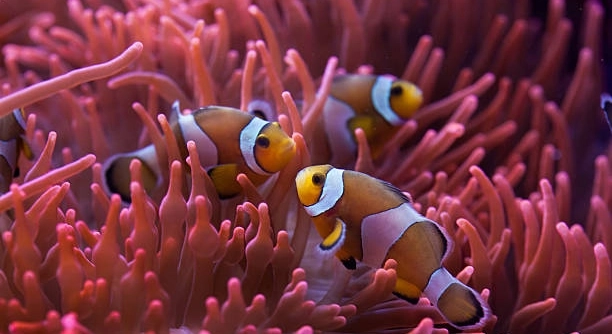
Keeping clownfish in the same tank is a popular topic among aquarium enthusiasts. Many fishkeepers wonder if these colorful fish can live peacefully together. Their social behavior and tank environment play important roles in their compatibility.
Two clownfish can be kept together under certain conditions, such as providing ample space, a well-established tank, and monitoring their behavior closely. Aggression is common, especially between males or when establishing dominance, so careful management is essential for coexistence.
Understanding how clownfish interact and what tank setup supports harmony can improve their well-being. This guide will explain the key factors to help you keep two clownfish together successfully.
Understanding Clownfish Behavior
Clownfish naturally live in groups but tend to form strict social hierarchies. Usually, one dominant female leads the group, while a male is her mate, and others are subordinate. When keeping two clownfish together, they may try to establish dominance quickly. This can lead to chasing, nipping, or aggression. Male clownfish are more likely to fight, especially if they are similar in size. It’s important to watch their interactions closely during the first few weeks. Providing enough hiding spots and space reduces stress and helps avoid constant conflict. Over time, a pair may settle into a stable relationship if the conditions are right.
Tank size also matters. Smaller tanks increase the chances of aggression because the fish have less room to escape. A tank of at least 30 gallons is recommended for two clownfish. The presence of anemones or coral can help them feel secure. Proper feeding and water quality keep them healthy and less prone to stress.
Recognizing the natural tendencies of clownfish can guide how you set up their environment to reduce conflicts and promote a peaceful tank.
Tank Setup Essentials
Clownfish need enough space to claim their territory and avoid constant clashes. A larger tank supports this well.
The tank should have plenty of rocks, coral, or anemones for shelter. This creates natural hiding spots and boundaries, helping reduce stress. Proper water conditions—stable temperature, salinity, and cleanliness—are critical for clownfish health. Frequent water testing and changes keep the environment stable. Feeding them regularly with a balanced diet also lowers aggression by reducing competition for food. Overall, a carefully prepared tank supports peaceful coexistence for two clownfish.
Choosing Compatible Clownfish
Choosing clownfish that are similar in size helps reduce aggression. Clownfish from the same species also tend to get along better.
Clownfish pairs that are already bonded or introduced at a young age adapt more easily to living together. Avoid mixing aggressive species with calmer ones. Introducing them at the same time helps prevent territorial disputes, as neither fish has had time to claim dominance. Keeping an eye on their behavior during the first days is important to catch any signs of serious fighting early. If one fish is too aggressive, separation might be necessary to protect both.
Feeding both fish equally helps reduce competition and stress. Unequal food distribution can cause one fish to become dominant and aggressive, disrupting the tank’s harmony. Providing multiple feeding spots ensures they both get their share without conflict.
Monitoring Aggression Signs
Aggression in clownfish often shows as chasing, biting, or fin nipping. Early detection is important to avoid injury.
If aggression becomes frequent or severe, separating the fish temporarily can calm tensions. Sometimes rearranging the tank decorations or increasing hiding places helps distract them and reduce stress. Consistent monitoring allows you to adjust the environment or behavior management quickly. Keeping a close eye in the first few weeks ensures the pair settles without harm. It’s important to intervene if injuries appear or one fish hides constantly, showing signs of distress. Managing aggression is key to a successful shared tank.
Feeding Tips for Two Clownfish
Feeding two clownfish requires consistency and care. Both fish need equal access to food to avoid competition.
Offering small amounts multiple times a day keeps them healthy and reduces aggressive behavior during feeding.
Ideal Water Conditions
Maintaining stable water parameters is crucial. Temperature should be between 74 and 79°F, and salinity around 1.020 to 1.025 specific gravity. Regular testing helps detect any changes early. Sudden fluctuations in pH or ammonia levels stress clownfish and increase aggression. A well-filtered tank with consistent water changes supports their health and peace.
When to Separate Clownfish
If fighting leads to injury or constant stress, it’s time to separate the fish. Preventing harm is more important than keeping them together.
FAQ
Can two clownfish live peacefully together?
Yes, two clownfish can live peacefully together if the tank conditions are right. A large enough tank, plenty of hiding spots, and stable water quality help reduce aggression. Introducing them at the same time and choosing compatible species or similar sizes improves their chances of coexisting calmly.
How big should the tank be for two clownfish?
A minimum of 30 gallons is recommended for two clownfish. More space reduces territorial disputes and gives each fish room to establish its own area. Smaller tanks can increase stress and aggression because the fish don’t have enough space to avoid each other.
What species of clownfish get along best?
Clownfish of the same species tend to get along better. For example, two Ocellaris clownfish or two Percula clownfish usually form pairs more easily. Mixing different species can lead to more territorial behavior and fighting, so it’s best to stick with one species in the same tank.
How can I tell if clownfish are aggressive?
Aggressive clownfish will chase each other, nip fins, and display chasing behavior around the tank. One fish may corner the other or prevent it from accessing food or hiding spots. Mild chasing is normal when establishing territory, but ongoing harassment or injuries need attention.
What should I do if my clownfish start fighting?
If fighting gets serious, try rearranging tank decorations to break up territories and add more hiding places. Feeding both fish equally and frequently helps reduce food-related aggression. If the fighting continues or causes injuries, separating the fish temporarily or permanently may be necessary.
Can clownfish live with other fish?
Clownfish can live with many other peaceful fish species. However, aggressive tank mates or larger fish can stress clownfish and cause problems. Choose compatible species that share similar water requirements and temperaments to maintain harmony in the tank.
Do clownfish need anemones to be happy?
Anemones are natural hosts for clownfish in the wild and provide shelter and protection. While clownfish can survive without anemones in home aquariums, having an anemone can help them feel more secure. Anemones require special care and stable water conditions, so they are not necessary but beneficial if you can maintain them properly.
How often should I feed two clownfish?
Feeding two clownfish small amounts two to three times a day works best. This prevents overfeeding and ensures both fish get enough nutrition without fighting over food. Use a varied diet including pellets, flakes, and frozen foods to keep them healthy.
What water parameters are best for clownfish?
Clownfish thrive in water with temperatures between 74°F and 79°F, salinity around 1.020 to 1.025 specific gravity, and stable pH between 8.1 and 8.4. Regular water changes and testing keep these parameters steady, reducing stress and aggression.
Can clownfish change sex?
Yes, clownfish are protandrous hermaphrodites, meaning they can change sex from male to female. In a pair, the dominant fish becomes female, and the other remains male. This natural behavior helps maintain the breeding pair’s hierarchy in the tank.
Is it normal for clownfish to hide a lot?
Clownfish often hide when they are stressed, sick, or adjusting to a new environment. If one fish hides constantly and avoids interaction, it may be a sign of bullying or health issues. Improving tank conditions or separating fish might be needed to reduce stress.
How do I introduce two clownfish together?
Introduce both clownfish to the tank at the same time to reduce territorial behavior. Provide plenty of hiding spots and watch closely for aggressive behavior in the first weeks. Avoid adding a new clownfish to a tank where another has already established territory.
What signs show clownfish are healthy?
Healthy clownfish are active, swim confidently, and eat regularly. Their colors are bright, fins are intact, and they show interest in their surroundings. Signs of poor health include lethargy, faded colors, clamped fins, or rapid breathing.
Can clownfish live without a mate?
Clownfish can live alone and remain healthy, but they are social fish by nature. Having a compatible mate or other peaceful tank mates can improve their activity and reduce stress. Single clownfish may become less active or shy.
What is the best diet for two clownfish?
A balanced diet for two clownfish includes high-quality pellets or flakes, supplemented with frozen or live foods like brine shrimp and mysis shrimp. Variety supports good health and vibrant color, and feeding small portions multiple times daily avoids food competition.
How long do clownfish live?
Clownfish typically live 6 to 10 years in captivity with proper care. Stable water conditions, a good diet, and a stress-free environment contribute to their longevity.
Can clownfish breed in a home aquarium?
Clownfish can breed in home aquariums if conditions are suitable. A healthy pair, stable environment, and proper diet encourage spawning. Breeding requires attention to tank setup and caring for the fry, which can be challenging for beginners.
Keeping two clownfish together in the same tank is possible but requires careful planning and attention. Clownfish have natural social behaviors that can lead to both cooperation and conflict. When introducing two clownfish, it is important to provide a large enough tank with plenty of hiding spots and stable water conditions. These factors help reduce stress and aggression, giving the fish a better chance to settle peacefully. Watching their behavior closely during the first few weeks is crucial to make sure neither fish is bullied or injured.
Choosing compatible clownfish also plays a key role in their success as tank mates. Fish of the same species and similar size are more likely to get along than mismatched pairs. Introducing both clownfish at the same time prevents territorial disputes from forming early. If any aggressive behavior starts to cause harm, rearranging tank decorations or adding more hiding places can sometimes calm the situation. However, if fighting continues or one fish shows signs of stress or injury, separating them may be necessary to protect their health and well-being.
Feeding routines and water maintenance also affect how well two clownfish live together. Providing food multiple times a day in small amounts and ensuring both fish get their share reduces competition. Regular testing and maintenance of water temperature, salinity, and cleanliness support the fish’s health and keep aggression levels down. Overall, success in keeping two clownfish together depends on understanding their behavior, offering a supportive environment, and being prepared to intervene if problems arise. This approach helps maintain a peaceful tank where both clownfish can thrive.

Hello,
If you enjoy the content that we create, please consider saying a "Thank You!" by leaving a tip.
Every little bit helps us continue crafting quality advice that supports the health, happiness, and well-being of pets around the world, for pets of all shapes, sizes, and species.
We really appreciate the kindness and support that you show us!