
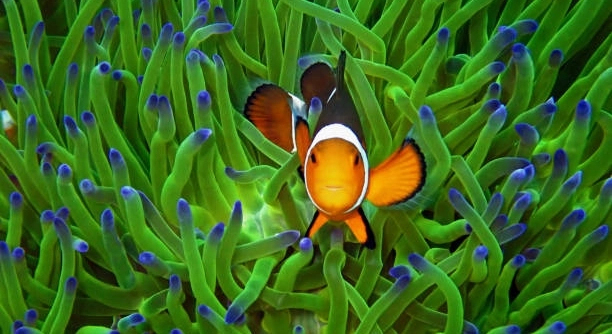
Is your clownfish spending more time hiding than swimming around your tank? This behavior can be worrying for any fish keeper, especially when you want your colorful pet to feel safe and active. Understanding why they hide is important for their well-being.
Clownfish hide due to stress, poor water conditions, illness, or territorial disputes. Environmental factors like inadequate shelter, sudden changes, or incompatible tank mates also contribute to this behavior. Identifying and addressing these causes is essential to restore their comfort and health.
Learning the reasons behind your clownfish’s hiding will help you improve its environment. The following tips offer practical solutions to encourage your fish to come out and thrive.
Stress and Its Impact on Clownfish Behavior
Stress is one of the main reasons clownfish hide. Changes in their environment, such as new tank mates or sudden loud noises, can cause anxiety. Even rearranging decorations or moving the tank can unsettle them. When stressed, clownfish often retreat to their hiding spots to feel safer. This behavior helps protect them from perceived threats. Over time, constant stress can weaken their immune system, making them more vulnerable to illness. It’s important to keep their environment stable and calm. Avoid frequent changes and ensure they have plenty of places to hide. Adding live plants or coral can provide natural cover and reduce stress levels. Watching how your clownfish reacts to new additions or changes can help you spot stress early. By managing stress, you can improve their comfort and encourage more natural, active behavior.
Keeping the tank environment stable is key to reducing clownfish stress.
Providing a calm and consistent space allows your clownfish to feel secure, which reduces hiding behavior and supports their overall health.
Water Quality and Tank Conditions
Maintaining clean water is critical for clownfish health. Poor water quality can cause them to hide more often. Regular testing for ammonia, nitrites, and nitrates ensures the water remains safe. Temperature should be steady, ideally between 74°F and 79°F (23°C – 26°C). Sudden fluctuations can disturb your fish. Filtration must be effective but not create strong currents that stress clownfish. Changing 10-20% of the water weekly helps keep the tank fresh. Overfeeding should be avoided to prevent waste buildup. A well-maintained tank reduces stress and disease risks. Monitoring water parameters and making adjustments promptly will encourage your clownfish to be more active and visible. Clean water not only supports health but also keeps your clownfish’s vibrant colors bright. Ensuring proper tank conditions is a simple but essential step to keep your clownfish comfortable and out of hiding.
Illness or Injury
Illness or injury can make your clownfish hide more than usual. When they don’t feel well, they seek shelter to protect themselves.
Signs of illness include faded colors, spots, or unusual swimming patterns. Common problems are bacterial infections, parasites, and fungal growth. Injuries from sharp tank decorations or aggressive tank mates also cause hiding. If you notice these signs, test the water quality immediately and consider consulting a vet or aquatic specialist. Treating illness early can prevent worsening conditions. Quarantining sick fish helps stop the spread to others. Keeping your tank clean and avoiding overcrowding reduces the risk of disease. Always watch for changes in behavior or appearance, as these are often the first clues something is wrong.
Providing a stress-free environment and proper nutrition supports faster recovery and encourages your clownfish to return to normal behavior.
Territorial Behavior
Clownfish are naturally territorial and may hide to avoid conflicts. This behavior is especially common in smaller tanks with limited space.
When tank mates invade their territory, clownfish may retreat to established hiding spots. Aggressive or larger fish can intimidate them, causing prolonged hiding. It’s important to provide enough space and multiple hiding areas to reduce competition. Introducing compatible species and observing interactions helps maintain harmony. Sometimes, rearranging tank decorations to create distinct territories can minimize disputes. Avoid overcrowding your tank to prevent stress from constant territorial battles. Understanding this natural behavior allows you to manage your tank setup better. Creating a balanced environment encourages peaceful coexistence and lets your clownfish feel safe enough to explore more.
Lack of Proper Hiding Spots
Clownfish need places to hide that feel safe. Without enough shelters, they may stay hidden out of stress.
Providing caves, coral, or anemones gives them secure spaces to retreat. This reduces anxiety and encourages activity.
Incompatible Tank Mates
Some fish species stress clownfish by being aggressive or overly curious. This causes the clownfish to hide frequently.
Choosing peaceful and compatible tank mates is essential. Researching species behavior before adding new fish helps maintain a calm tank environment.
Sudden Changes in Environment
Sudden changes like moving the tank or adding new decorations can make clownfish hide more. Stability helps them feel safe.
Avoid making rapid or frequent changes to the tank setup. Gradual adjustments allow clownfish to adapt without stress.
FAQ
Why is my clownfish hiding all the time?
Clownfish hide mostly because they feel unsafe or stressed. This can happen due to poor water quality, aggressive tank mates, or lack of hiding places. Illness or sudden changes in their environment also cause them to stay hidden. Addressing these issues often encourages them to come out and swim freely.
How can I make my clownfish feel safer?
Provide plenty of hiding spots like live rock, coral, or artificial caves. Keep the tank environment stable without sudden changes. Avoid overcrowding and choose peaceful tank mates. Maintaining good water quality and feeding a balanced diet will also help your clownfish feel secure.
Is it normal for clownfish to hide sometimes?
Yes, clownfish naturally seek shelter sometimes, especially when resting or feeling cautious. Short periods of hiding are normal. However, if hiding becomes constant or excessive, it may indicate stress, illness, or an unsuitable environment.
Could water quality make my clownfish hide?
Absolutely. Poor water conditions cause stress and illness, which lead to hiding. High levels of ammonia, nitrites, or nitrates, and incorrect temperature can harm clownfish. Regular water testing and partial water changes keep the environment safe and comfortable.
What are signs my clownfish might be sick?
Look for faded colors, clamped fins, unusual swimming, or loss of appetite. White spots, redness, or swelling are also warning signs. Sick clownfish often hide more than usual and may appear lethargic.
How do I treat a sick clownfish that is hiding?
First, test and improve water quality. Then, isolate the sick fish if possible to prevent spreading illness. Use appropriate medications recommended for the specific disease. Maintain a calm environment to reduce stress and encourage recovery.
Can tank mates cause my clownfish to hide?
Yes. Aggressive or overly curious fish can intimidate clownfish, making them hide frequently. Choosing compatible, peaceful species and giving enough space reduces this problem. Monitor fish interactions closely to spot any bullying.
How often should I change the water to prevent hiding behavior?
Changing 10-20% of the water weekly helps maintain clean conditions. This prevents buildup of toxins that stress clownfish. Consistent maintenance keeps the tank stable and encourages your fish to be more active.
Are there specific decorations that help clownfish feel safe?
Yes. Live rock, coral, artificial caves, and anemones provide natural hiding places. These decorations allow clownfish to retreat when needed without feeling exposed. Avoid sharp or rough decorations that might injure them.
Can feeding affect hiding behavior?
Poor nutrition weakens clownfish and can increase hiding. Feed a varied diet suitable for clownfish, including high-quality pellets, flakes, and frozen foods. Regular feeding encourages natural behavior and keeps your fish healthy.
What should I do if my clownfish only hides after a tank move?
Give them time to adjust. Sudden moves cause stress, so keep the tank environment stable afterward. Avoid making other changes until they start exploring again. Adding familiar decorations can help them feel more secure.
How can I tell if my clownfish is just shy or actually stressed?
Shy clownfish may hide briefly but come out to feed and swim normally. Stressed fish hide longer, eat less, and show signs of illness. Watch their behavior closely over several days to spot differences.
Is it normal for clownfish to hide at night?
Yes, clownfish often retreat to their shelter during nighttime as a natural resting behavior. This is normal and not a cause for concern unless they remain hidden during the day as well.
How do I create a peaceful community tank with clownfish?
Choose tank mates that are small, peaceful, and non-aggressive. Avoid large or territorial species that might stress clownfish. Provide plenty of hiding spots and enough space to reduce competition.
Can temperature fluctuations make clownfish hide?
Yes. Clownfish prefer stable temperatures between 74°F and 79°F (23°C – 26°C). Sudden drops or spikes can cause stress and hiding. Use a reliable heater and monitor temperature regularly to keep it steady.
Clownfish hiding is a common behavior that often signals something in their environment needs attention. It’s important to remember that hiding can be a normal part of how clownfish stay safe and comfortable, but excessive hiding usually points to stress, illness, or unsuitable tank conditions. By understanding the reasons behind this behavior, you can create a healthier and more stable environment that encourages your clownfish to be active and visible. Simple changes such as improving water quality, adding hiding spots, or adjusting tank mates can make a big difference.
Maintaining a consistent tank environment is key to keeping your clownfish comfortable. Sudden changes or poor water conditions are major stress factors that often cause hiding. Regular water testing and maintenance help prevent these issues before they become serious problems. Providing enough space and peaceful companions also reduces stress from territorial disputes or bullying. When clownfish feel safe and secure, they are more likely to explore their surroundings and display their natural colors and behaviors.
If you notice your clownfish hiding more than usual, it’s a good idea to observe closely for other signs like changes in appetite, color, or swimming patterns. Illness can sometimes be the cause, and early treatment improves the chances of recovery. Overall, taking steps to provide a calm, clean, and well-structured habitat will help your clownfish thrive. Paying attention to their needs shows care and creates a more enjoyable experience for both you and your aquatic pet.

Hello,
If you enjoy the content that we create, please consider saying a "Thank You!" by leaving a tip.
Every little bit helps us continue crafting quality advice that supports the health, happiness, and well-being of pets around the world, for pets of all shapes, sizes, and species.
We really appreciate the kindness and support that you show us!