
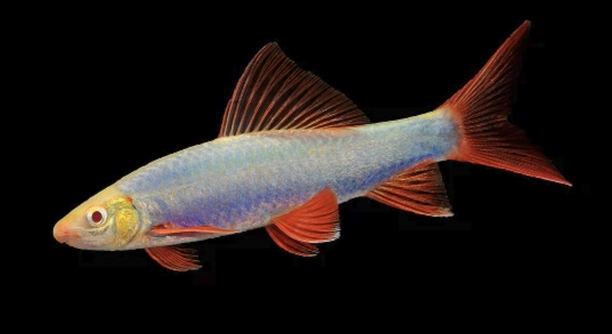
Helping a Rainbow Shark adjust to a new water source requires care and attention. Changes in water chemistry can stress the fish, affecting its health and behavior. Knowing the right steps can make this transition smoother for your pet.
To help your Rainbow Shark adapt, gradually introduce the new water by mixing it with the old water over several days. Maintain stable temperature and water parameters, provide a calm environment, and monitor for signs of stress or illness closely.
Understanding these tips will support your Rainbow Shark’s health and comfort during changes. Proper care ensures a happier, healthier fish in its new environment.
Preparing Your Tank for the New Water
Before introducing new water to your Rainbow Shark’s tank, it is important to prepare the environment properly. Start by testing the water parameters such as pH, hardness, and temperature in both the existing and new water. Aim to keep these factors as consistent as possible to reduce shock. Clean the tank thoroughly to remove any harmful substances or buildup. Use a water conditioner to neutralize chlorine and chloramines in tap water, as these chemicals can be harmful to fish. Allow the new water to reach the same temperature as the tank water before adding it. This preparation helps minimize stress and supports the fish’s immune system during the change. Remember, a calm and stable tank environment is essential for your Rainbow Shark to feel secure.
Gradual mixing of new and old water over several days helps the fish adjust to the changes without sudden shifts.
Monitoring water quality regularly ensures a safe and comfortable environment for your Rainbow Shark.
Introducing the New Water Gradually
To avoid stressing your Rainbow Shark, it is best to introduce new water slowly. Start by replacing a small percentage of the tank water with the new water daily. This method allows your fish to acclimate to changes in water chemistry without sudden shocks. Use a clean container to mix the old and new water before adding it to the tank. Keep an eye on the fish’s behavior and appearance during this time, watching for any signs of distress such as erratic swimming, loss of appetite, or discoloration. Additionally, avoid sudden changes in temperature or pH, as these can increase stress levels. Consistent observation and patience are key to a smooth transition.
During this period, maintain regular feeding schedules and minimize disruptions to the tank.
Gradual water changes not only help your Rainbow Shark adapt but also maintain the tank’s overall stability. Sudden alterations can weaken the fish’s immune system, making it more vulnerable to disease. By carefully adjusting water quality, you support your fish’s natural ability to cope with environmental changes. This process also allows beneficial bacteria in the tank to adapt, ensuring the biological balance remains intact. A stable tank environment promotes healthier behavior and reduces the risk of illness. Overall, gradual water introduction is essential to protect your Rainbow Shark’s well-being and encourage long-term health.
Maintaining Stable Water Temperature
Keeping the water temperature stable is crucial for your Rainbow Shark’s adaptation. Sudden temperature changes can stress the fish and lead to health problems.
Use a reliable heater to maintain a consistent temperature within the ideal range of 75-79°F (24-26°C). Monitor the temperature daily with an accurate thermometer. Avoid placing the tank near drafts, heaters, or direct sunlight, which can cause fluctuations. Stable temperature supports your fish’s metabolism and immune system, reducing stress during water source changes.
Additionally, sudden cold or heat can shock the fish, making it harder for them to adjust to other changes in water chemistry. Consistent warmth helps the Rainbow Shark remain active and healthy, encouraging normal feeding and behavior.
Monitoring Water Quality and Fish Behavior
Regularly check water parameters such as ammonia, nitrite, nitrate, pH, and hardness to ensure they remain within safe limits. Changes in these levels can negatively affect your Rainbow Shark’s health. Test water at least twice a week during the transition period.
Observe your fish closely for signs of stress like clamped fins, erratic swimming, or loss of appetite. Behavioral changes are often the first indicators of water issues. Keeping the tank clean and performing partial water changes helps maintain good water quality.
If you notice unusual behavior or water parameter spikes, address the problem immediately. This may involve adjusting water chemistry, increasing filtration, or consulting an expert. Proactive care prevents illness and supports your Rainbow Shark’s smooth adjustment to the new water.
Providing Hiding Places
Hiding spots reduce stress for your Rainbow Shark during water changes. Include caves, plants, or decorations where the fish can feel secure. These safe spaces help the fish relax and recover from environmental changes.
A calm fish adapts more easily to new conditions and maintains better health over time.
Feeding During Transition
Keep feeding schedules consistent while your Rainbow Shark adapts. Offer high-quality food in small amounts to avoid overfeeding and water pollution. Healthy nutrition supports the fish’s immune system and energy levels during adjustment.
Avoiding Overcrowding
Overcrowding increases stress and lowers water quality. Maintain appropriate tank size and limit the number of fish to ensure enough space. A less crowded environment promotes better water conditions and healthier fish behavior.
Using Water Conditioners
Water conditioners neutralize harmful chemicals like chlorine and heavy metals in tap water. Use them when preparing new water to protect your Rainbow Shark from toxins. This simple step improves water safety during transitions.
How often should I change my Rainbow Shark’s water during the adaptation period?
During adaptation, it is best to perform small water changes daily or every other day, replacing about 10-15% of the tank water each time. This gradual approach helps your Rainbow Shark adjust slowly to new water conditions without shock. After the adaptation period, weekly water changes of 20-25% help maintain water quality and fish health.
Can I use tap water directly for my Rainbow Shark?
Tap water often contains chlorine, chloramines, and heavy metals harmful to fish. Always treat tap water with a proper water conditioner before adding it to the tank. This removes toxins and makes the water safe. Testing water parameters after conditioning is also important to ensure the water matches your tank’s needs.
What water parameters are ideal for a Rainbow Shark?
Rainbow Sharks thrive in water with a temperature of 75-79°F (24-26°C), pH between 6.5 and 7.5, and moderate hardness (5-15 dGH). Keeping these parameters stable reduces stress and supports their immune system. Regular testing is key, especially when introducing a new water source.
How long does it take for a Rainbow Shark to adapt to new water?
Adaptation can take from several days up to two weeks depending on how different the new water is from the old one. Gradual mixing and consistent monitoring speed up adjustment. Watching your fish’s behavior will help you know when it has fully adapted.
What signs show that my Rainbow Shark is stressed during water changes?
Signs of stress include erratic swimming, hiding more than usual, loss of appetite, clamped fins, and color fading. Stress weakens their immune system, making them vulnerable to illness. If you notice these signs, slow down water changes and check water quality carefully.
Is it necessary to quarantine my Rainbow Shark when changing water sources?
Quarantine is not usually required just for changing water, but it is recommended if the new water source may carry diseases or parasites. Quarantining new fish before adding them to your main tank also helps prevent introducing illnesses.
How can I reduce stress for my Rainbow Shark during water changes?
Keep water parameters consistent, change water gradually, provide hiding places, and avoid sudden changes in temperature or chemistry. Minimizing noise and disturbances near the tank also helps. Maintaining stable, clean water is the best way to keep stress low.
Can I use bottled water or reverse osmosis water for my Rainbow Shark?
Bottled or reverse osmosis (RO) water is often very pure but lacks minerals fish need. If using RO water, remineralize it to add back essential minerals like calcium and magnesium. Always test and adjust water parameters before adding it to the tank.
What should I do if my Rainbow Shark shows signs of illness after a water change?
First, test water parameters to identify any issues. If poor water quality is found, perform partial water changes and improve filtration. Isolate the fish if symptoms worsen and consider consulting a veterinarian or aquatic specialist. Prompt action can prevent serious health problems.
How important is tank maintenance during water adaptation?
Tank maintenance is vital. Regular cleaning of substrate, filters, and decorations prevents toxin buildup and keeps water stable. Consistent maintenance supports your Rainbow Shark’s health and makes the adaptation to new water smoother and safer.
Changing the water source for your Rainbow Shark can be a delicate process that requires careful attention and patience. It is important to avoid rushing the transition to reduce stress on the fish. Taking the time to prepare the tank, maintain stable water parameters, and gradually introduce the new water will help your Rainbow Shark adjust more comfortably. Fish are sensitive to sudden changes in their environment, so small, controlled steps are essential. By following these practices, you give your fish the best chance to stay healthy and thrive in its updated habitat.
Monitoring your Rainbow Shark’s behavior and water quality throughout the adaptation period is also key. Fish often show early signs of stress through changes in swimming patterns, appetite, or coloration. These indicators should never be ignored. Keeping a regular schedule for water testing and tank maintenance will help detect problems early and prevent illness. Consistent care ensures the water remains safe and stable. Providing hiding places and minimizing disturbances during the adjustment period also help reduce anxiety for your fish. Overall, observing your Rainbow Shark closely allows you to make necessary adjustments and support its well-being.
Patience and proper care are essential when changing your Rainbow Shark’s water source. Each tank and fish is unique, so what works well for one may need slight adjustments for another. Taking a thoughtful approach to water changes helps maintain a healthy environment and promotes long-term happiness for your Rainbow Shark. Remember that stability and consistency are the foundation of good fish care. With attention to detail and steady effort, you can successfully guide your Rainbow Shark through this transition, ensuring it continues to live a healthy and comfortable life in its aquatic home.

Hello,
If you enjoy the content that we create, please consider saying a "Thank You!" by leaving a tip.
Every little bit helps us continue crafting quality advice that supports the health, happiness, and well-being of pets around the world, for pets of all shapes, sizes, and species.
We really appreciate the kindness and support that you show us!